
The Waterdrop G3P600 Tankless RO is my top pick for most homes.
I was tired of cloudy pitchers and the smell of tap water. I wanted clean, crisp water without the rinse-and-repeat of cheap filters. The best reverse osmosis water filter should remove contaminants, save space, and make water taste great. I tested and compared systems to find reliable options that match real home needs.

TOP PICK
Waterdrop G3P600 Reverse Osmosis System,…
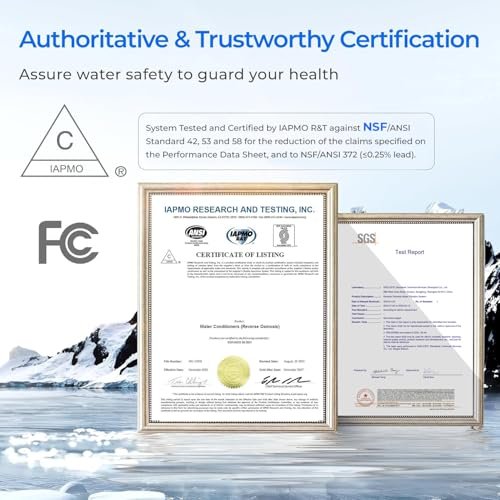
[Trusted certifications]: Waterdrop G3P600 reverse osmosis system is certified against NSF/ANSI 58 for TDS reduction and NSF/ANSI 372 certified for lead-free material. Also it has been tested and certified against…

BEST QUALITY
iSpring RCC7AK, NSF Certified, 75…
PATENTED DESIGN – The top-mounted fastener allows for easy countertop installation entirely from above, eliminating the hassle of tightening the nut from underneath the sink. MINERAL BOOST – The patent-pending…

RECOMMENDED
Bluevua RO100ROPOT Countertop Reverse Osmosis…
6-STAGE ADVANCED FILTRATION WITH UV LIGHT: The Bluevua RO100ROPOT-UV boasts a superior 6-stage filtration system, featuring a 0.0001μm RO membrane, including UV light and an added remineralization filter. Certified by…
Waterdrop G3P600 Tankless RO

I install under-sink systems often. The Waterdrop G3P600 impressed me first with its tankless, space-saving design. It uses eight stages to polish water and carries several NSF certifications. Flow is strong and the smart LED faucet makes daily use easy.
The quick-change filters cut maintenance time. I found its 2:1 pure-to-drain ratio better than many tankless models. Noise is low. The faucet looks modern and the system fits tiny under-sink spaces without a storage tank.
Pros:
- Tankless footprint frees under-sink space
- NSF-certified filtration for broad contaminant removal
- 2:1 pure-to-drain for better water efficiency
- Fast flow and consistent cold water delivery
- Smart LED faucet makes filter status obvious
- Quick-change filters save time
Cons:
- Initial setup requires basic plumbing confidence
- Replacement filters have a moderate cost
- Less suitable for very large households with high peak use
My Recommendation
I recommend the Waterdrop G3P600 to homeowners who want a compact, high-efficiency system. If you value under-sink space and low noise, this system fits well. It is one of the best reverse osmosis water filter options for renters who can plumb under a sink and for families who want reliable drinking water without a bulky tank.
| Best for | Why |
|---|---|
| Small kitchens | Tankless design saves space under the sink |
| Energy-conscious users | 2:1 pure-to-drain ratio reduces waste |
| Low-noise preference | Quiet operation during filtration |
iSpring RCC7AK Alkaline 6-Stage RO

I’ve used the iSpring RCC7AK for years in several homes. Its six-stage setup includes an alkaline remineralization stage that restores healthy minerals. The unit is NSF certified and delivers up to 75 gallons per day. I find its output steady and the water tastes neutral and clean.
Installation is straightforward, though the tank takes space. The pre-filters protect the RO membrane well. Remineralization helps if your tap water is very soft or flat. This model is sturdy and comes with clear parts that make servicing easier.
Pros:
- Alkaline remineralization improves taste and pH
- High 75 GPD output for families
- NSF-certified for performance confidence
- Robust build and easy filter access
- Patented faucet design for simple installation
- Good value for the features offered
Cons:
- Requires under-sink space for the tank
- Installation includes a few plumbing steps
- Some users report noise during tank refill cycles
My Recommendation
The iSpring RCC7AK is best for families and anyone who wants remineralized water. I recommend it when you want a classic, reliable system that restores minerals after filtration. It ranks as a strong choice among the best reverse osmosis water filter options for steady daily use.
| Best for | Why |
|---|---|
| Families | High 75 GPD output meets daily demand |
| Those who want balanced taste | Alkaline stage returns healthy minerals |
| Budget-conscious buyers | Strong feature set for the price |
Bluevua ROPOT-UV Countertop RO
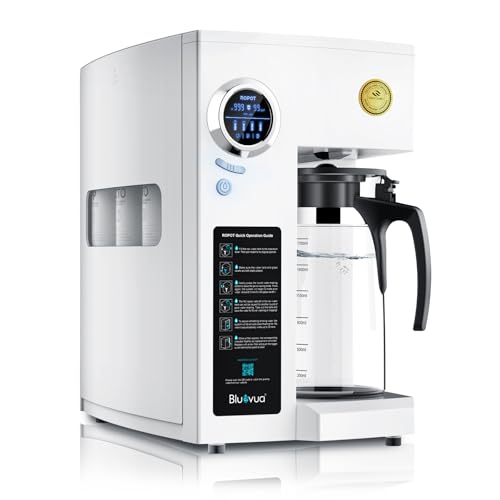
I like countertop RO systems for small spaces and rentals. The Bluevua ROPOT-UV is portable and needs no installation. It offers reminalization and an optional UV stage. I found it fast to set up and very convenient for apartments.
The unit cleans well and the water tastes noticeably fresher. Filters are easy to swap. Because it is countertop, you can move it when you move home. It is WQA certified and suits users who want a plug-and-play RO solution.
Pros:
- No installation needed—great for renters
- Remineralization improves flavor and pH balance
- Compact and portable for easy relocation
- WQA certified for quality assurance
- Convenient filter access for quick swaps
Cons:
- Countertop footprint takes counter space
- Lower daily output than large under-sink systems
- Requires a faucet adapter for some sinks
My Recommendation
I recommend the Bluevua ROPOT-UV for renters and counter users. If you need an easy, installation-free option, this countertop model is one of the best reverse osmosis water filter choices. It brings RO performance without permanent plumbing work.
| Best for | Why |
|---|---|
| Renters | No installation, easy removal |
| Travel or seasonal use | Portable and compact design |
| UV protection seekers | Optional UV stage for extra disinfection |
DREO Countertop RO System
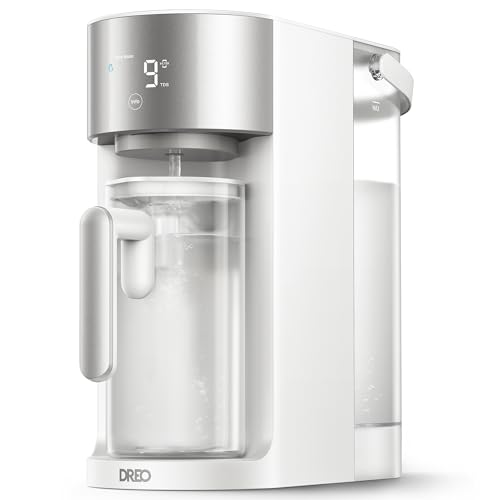
I put the DREO countertop unit on my list for its user-friendly features. It offers an auto-fill pitcher and a self-cleaning cycle. The 3:1 pure-to-drain ratio is better than many countertop RO systems. I liked the built-in TDS display and filter life indicators.
The ease of use is its best asset. I filled the pitcher quickly and enjoyed low-maintenance operation. The unit is smart and fits kitchens that cannot support under-sink installs. I also liked that filter changes are clear and simple.
Pros:
- Installation-free countertop design
- Self-cleaning reduces maintenance
- Autofill pitcher is convenient for daily use
- TDS and filter life indicators help track performance
- Good water efficiency at 3:1 pure-to-drain
Cons:
- Countertop space required
- Filter replacements add recurring cost
- May not meet heavy household output needs
My Recommendation
The DREO countertop RO is ideal for people who want a simple, plug-and-play purifier. I suggest it if you want clean water fast with minimal setup. For many, it is one of the best reverse osmosis water filter choices when countertop convenience matters most.
| Best for | Why |
|---|---|
| Busy households | Auto-fill and self-clean cycles save time |
| Small apartment kitchens | No plumbing changes required |
| Monitoring fans | TDS and filter life displays provide clarity |
Bluevua ROPOT Countertop RO

This Bluevua ROPOT is the simpler sibling to the UV model. It reminalizes water and runs five stages of filtration. Setup took me minutes with a standard faucet adapter. It gives clean water with minimal fuss.
The flow rate is suitable for daily drinking and cooking. Filters are compact and easy to swap. It is ideal when you need a countertop unit with reminalization but don’t require UV treatment. I found its taste improvement very noticeable.
Pros:
- Quick setup and no permanent plumbing
- Remineralization improves flavor and health profile
- Compact design fits most counters
- WQA certification supports product claims
- Good value for a countertop RO system
Cons:
- Countertop footprint may be limiting
- Output lower than under-sink tank systems
- Requires occasional faucet adapter adjustments
My Recommendation
The Bluevua ROPOT is great for people who want a simple countertop RO with remineralization. I suggest it for users who move often or have limited plumbing access. It stands among the best reverse osmosis water filter countertop options when portability and taste are key.
| Best for | Why |
|---|---|
| Countertop users | No permanent installation needed |
| Flavor-focused buyers | Remineralization returns taste and minerals |
| Apartment dwellers | Portable and quick to set up |
FAQs Of best reverse osmosis water filter
What is a reverse osmosis system and how does it work?
RO pushes water through a semipermeable membrane. Impurities stay behind. This leaves clean water on the other side. It removes minerals, heavy metals, and many contaminants effectively.
How often do RO filters need replacement?
Pre-filters usually change every 6-12 months. The RO membrane often lasts 2-3 years. Post-filters or remineralization cartridges may need annual swaps. Check TDS and filter life indicators when available.
Is water from reverse osmosis safe to drink long term?
Yes. RO water is safe. Some people prefer added minerals for taste. Systems with remineralization restore healthy electrolytes. I often recommend a remineralization stage for daily drinking comfort.
Do countertop RO systems perform as well as under-sink models?
Countertop systems do a good job for daily drinking. They often have lower output than tank systems. They are perfect for renters or those who want portability. For heavy use, under-sink systems with tanks may be better.
How much waste water does an RO system create?
Waste varies by model. Tankless models can reach 2:1 pure-to-drain. Other units range from 3:1 to higher. Efficient models reduce waste and save water. I look for systems with low drain ratios to lower waste.
Can I install an RO system myself?
Many systems are DIY-friendly. Countertop models need no plumbing. Under-sink systems have clear instructions and included parts. If you are unsure, a plumber can install quickly and ensure a leak-free setup.
Final Verdict: Which Should You Buy?
If you want compact, efficient filtration, the Waterdrop G3P600 stands out as the best reverse osmosis water filter for most homes. It balances space savings, NSF certifications, and strong performance in a tankless design.
For families who want remineralized water, the iSpring RCC7AK is a strong alternative. Renters and travelers will appreciate the Bluevua and DREO countertop models for simple setup and great taste.