
Best rolling pin for baking: Farberware 18-inch classic hardwood pin.
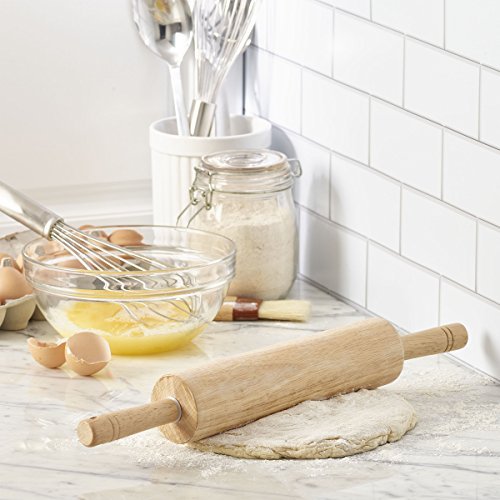
I’ve been in home baking and product testing for years. Picture this: you’re making pie crust for company and your dough tears or bakes unevenly. A good rolling pin fixes that. It helps you roll even, thin dough fast. The right pin makes baking less fuss and more joy.

TOP PICK
FARBERWARE Classic Wood Rolling Pin,…
PREMIUM HARDWOOD CONSTRUCTION: Built from moisture-resistant hardwood for lasting durability and a smooth rolling surface that delivers consistent results; the 10-inch barrel and balanced weight distribution make rolling dough effortless…

BEST QUALITY
French Rolling Pin (17 Inches)…
Solid Wood Construction: This rolling pin is made from solid rubber wood for required durability and long-lasting use. This rolling pin is suitable to sustain every day, heavy-duty use in…

RECOMMENDED
17.5 inch Wooden Rolling Pin…
GREAT FOR BAKING: Ideal for rolling out bread, biscuit, and cookie dough as well as pie crust, pastry, and more EASY-ROLL DESIGN WITH HANDLES: Easy-roll nylon bearings prevent it from…
Farberware 18-Inch Wood Rolling Pin
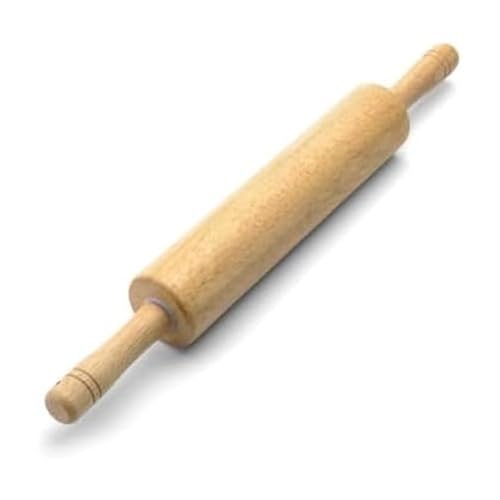
I use the Farberware 18-inch wood rolling pin for big dough jobs. It is long and balanced. The handles roll smoothly. It makes pizza and pie dough even fast.
The hardwood feels warm and grips dough just right. I liked how the ergonomic handles reduce wrist strain. This pin is simple. It is reliable for daily home baking.
Pros:
- Long 18-inch length for large doughs and pizza
- Ergonomic handles reduce wrist fatigue during rolling
- Hardwood surface provides a natural grip on dough
- Simple, sturdy build that lasts with care
- Affordable option for bakers who want classic feel
Cons:
- Handles can loosen over heavy use
- Not ideal for butter-based pastry that needs a chilled pin
- Wood requires more maintenance than metal or silicone
My Recommendation
This Farberware pin is best for home bakers who work on large projects. If you make pies or pizzas often, its 18-inch reach saves time. I recommend it for cooks who like a classic wood feel and want a dependable tool. For me, this often becomes my go-to best rolling pin for baking when I need length and comfort.
| Best for | Why |
|---|---|
| Large doughs | 18-inch length covers more surface in one pass |
| Comfortable rolling | Ergonomic handles lower wrist strain |
| Budget buyers | Solid build at a friendly price |
17-Inch French Tapered Rolling Pin
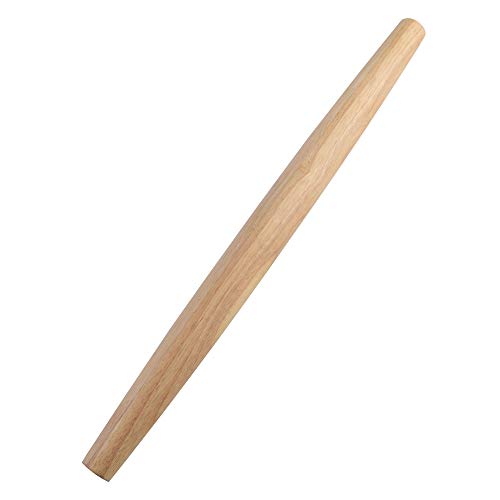
The 17-inch French tapered rolling pin is my choice for delicate tasks. The taper lets you use pressure at the ends or center. It is great for pastry, fondant, and cookies. The smooth finish helps dough slide.
I use this pin when I need control. The weight is light but steady. I can shape pie edges and finish crusts with care. It is a favorite for bakers who value finesse.
Pros:
- Tapered design gives fine control over dough thickness
- Lightweight for less wrist strain during detail work
- Smooth finish ideal for fondant and delicate pastry
- Compact 17-inch length suits countertop use
- Great for rolling small batches and cookies
Cons:
- Not ideal for very large doughs or pizzas
- Requires more skill to use the taper well
- Less mass means less help flattening stiff dough
My Recommendation
This French pin is best for bakers who want control. If you make tarts, decorated cookies, or fondant work, choose this. I find it excellent for thin, even crusts. It blends into my list of best rolling pin for baking picks when detail matters.
| Best for | Why |
|---|---|
| Delicate pastry | Tapered ends allow gentle pressure control |
| Fondant work | Smooth finish prevents sticking to fondant |
| Small kitchens | Compact length fits tight counters |
17.5-Inch Wooden Rolling Pin

This 17.5-inch wooden rolling pin sits between the Farberware and the French pin in feel. It gives good length for most pies and bread. The feel is solid and steady. It performs well for daily tasks.
I use it when I want a balance of reach and control. It handles moderate doughs with ease. The finish is smooth enough to prevent sticking with minimal flour. This pin is a reliable workhorse.
Pros:
- Balanced length good for pies and bread
- Solid wood provides steady rolling pressure
- Simple, no-fuss design for everyday use
- Easy to store and maintain
- Works well with moderate-sized batches
Cons:
- Not tapered, so less control for delicate work
- May need more flour to prevent sticking with sticky dough
- No handles, which some users prefer
My Recommendation
I recommend this 17.5-inch wood pin to bakers who want a steady middle ground. It is best for everyday pies, cookies, and bread. For me, it often qualifies as one of the best rolling pin for baking choices when you need versatility and strength.
| Best for | Why |
|---|---|
| All-around use | Balanced length suits many tasks |
| Home bakers | Simple tool for frequent use |
| Bread and cookies | Offers steady pressure across dough |
17.6-Inch Rolling Pin with Ergonomic Handles

This 17.6-inch beech wood pin has rotating handles that I like for steady rolling. The barrel spins while handles stay comfortable in hand. It helps keep even pressure while you roll. It cuts down on wrist movement.
I reach for this pin when I want controlled motion and less friction. The wood is smooth and pleasant to touch. It handles pies, cookies, and thin crusts well. It is a solid pick for frequent bakers.
Pros:
- Rotating handles offer smooth rolling motion
- Great balance between length and control
- Beech wood feels durable and refined
- Reduces wrist twisting during long sessions
- Good for a range of baking tasks
Cons:
- Handles can trap flour near joints
- Wheel mechanism may loosen over time
- Requires spot cleaning to avoid finish wear
My Recommendation
Choose this 17.6-inch pin if you value smooth motion. Rotating handles make rolling effortless for me. It is best for bakers who roll often and want comfort. It sits among my best rolling pin for baking options for consistent results and ease of use.
| Best for | Why |
|---|---|
| Frequent bakers | Rotating handles cut wrist strain |
| Even rolling | Barrel rotation gives consistent pressure |
| Comfort seekers | Ergonomic grip reduces fatigue |
Adjustable Stainless Steel Rolling Pin

This adjustable stainless steel rolling pin is different from the wood pins. It includes thickness rings. I set it for exact dough heights for consistent cookies or tart shells. The metal stays cool and is easy to clean.
I use this pin when I need repeatable thickness. The rings lock in true size for batch work. Its weight helps flatten stiff dough without extra force. For temperature-sensitive pastry, the cool metal helps.
Pros:
- Adjustable rings give precise thickness control
- Stainless steel stays cool for butter-rich doughs
- Easy to clean and sanitize
- Good for batch cookie-making and fondant thickness
- Durable metal build with less warping risk
Cons:
- Can feel heavy for long sessions
- Rings and attachments need careful cleaning
- Metal may stick slightly without flour or cooling
My Recommendation
I pick this adjustable stainless steel pin when I need precision. If I bake many cookies or want even tart shells, this is my tool. It ranks among the best rolling pin for baking when accuracy matters. The cool metal and ring system help me repeat exact thickness fast.
| Best for | Why |
|---|---|
| Precision baking | Rings lock consistent dough height |
| Butter-heavy pastry | Metal stays cool and helps maintain layers |
| Batch work | Repeatable thickness speeds production |
How I Test Rolling Pins
I test tools with real dough. I use pie dough, pizza dough, cookie dough, and fondant. I roll each one multiple times. I check for evenness, stick, feel, and control.
I time the work and note wrist strain. I test in warm and cool kitchens. I check clean up and care. I then rank pins by performance and value.
Materials: Pros and Cons
Wood pins give warmth and grip. They are classic and quiet. They need oiling and gentle cleaning. Wood can warp if soaked.
Stainless steel stays cool and cleans easily. It resists stains and warping. Metal can be heavier and may stick if not cooled. Silicone and coated pins clean easily but can lack weight.
Which Type Is Best For You?
If you value control for delicate pastry, choose a French tapered pin. If you do big pizzas and pies, pick a long wood barrel. If you want exact thickness every time, use an adjustable stainless steel pin. If you bake often, consider a rotating-handle wood pin for comfort.
I often keep two pins. One for delicate work and one for large jobs. That covers most tasks and gives me the best rolling pin for baking tools ready.
Size Guide and Uses
12-14 inch pins fit small counters and cookie work. 16-18 inch pins handle large pies and pizzas. Longer pins let you roll more dough in one pass. Shorter pins give more precision.
Choose length by what you bake most. I use 17-18 inch pins for family pizzas. I use a 17-inch French for tarts and fondant. Size matters for speed and control.
Care & Maintenance
Wipe wood pins after use with a damp cloth. Avoid soaking them. Dry promptly. Apply food-grade mineral oil now and then to prevent cracking and warping.
Stainless pins clean with warm soapy water and dry fully. Store pins flat or on hooks to avoid pressure warping. Keep silicone out of sharp heat to protect coating.
Tips for Rolling Dough Like a Pro
Chill buttery dough before rolling. Lightly flour the board and pin. Roll from the center outward for even thickness. Turn the dough often to keep shape.
If dough sticks, use a bit more flour or a sheet of parchment. For fondant, lightly dust with cornstarch. Use the right pin for the job: heavy for stiff dough, light for delicate pastry.
Common Mistakes to Avoid
Do not press too hard. Heavy pressure thins dough unevenly. Do not over-flour the surface. Too much flour dries pastry.
Avoid using one pin for all jobs if you want top results. A single pin often forces compromise. I learned to switch pins for best results.
FAQs Of best rolling pin for baking
What is the best rolling pin for baking for beginners?
For beginners, a simple 17-18 inch wooden pin is best. It is easy to use, durable, and forgiving. It helps flatten dough quickly and teaches even rolling.
Do I need a tapered French rolling pin?
You do not need one, but it helps. A French pin gives better control for pastry and fondant. I use it when I need delicate, thin crusts or detailed shaping.
Are adjustable rolling pins worth it?
Yes, if you need repeatable thickness. Adjustable pins save time for cookie batches and tart shells. They give consistent results when you make many identical pieces.
How should I clean a wooden rolling pin?
Wipe with a damp cloth and dry right away. Do not soak. Occasionally rub with food-grade mineral oil. This keeps wood from drying and cracking.
Which rolling pin is best for pastry with lots of butter?
A stainless steel or chilled wood pin works best. The cool metal helps keep butter from melting into dough. If using wood, chill the pin briefly or the dough well.
Final Verdict: Which Should You Buy?
If you want an all-round winner, the Farberware 18-inch wood pin is a top pick. It gives length, comfort, and value for most home bakers and often stands out as the best rolling pin for baking.
For detail work, add a 17-inch French pin or an adjustable stainless steel pin for precision. Those choices together cover every baking need with strong value and performance.