
Use citric acid to descale, deodorize, and brighten your dishwasher quickly and safely.
I’ve cleaned dozens of dishwashers and tested food-safe methods for years, so I know what works and what doesn’t. This guide on how to clean dishwasher with citric acid walks you through supplies, step-by-step instructions, safety notes, troubleshooting, and maintenance plans. Read on for clear, tested advice that saves time and keeps your machine smelling fresh.

Why citric acid works for dishwashers
Citric acid is a mild organic acid that dissolves mineral scale and mineral deposits. It breaks down lime and hard-water buildup without harsh fumes. Citric acid also helps remove odors by dissolving residue that traps smells. Using citric acid is an effective method when you want a simple, low-toxicity way to clean. This section explains why and how citric acid outperforms plain soap or baking soda for scale removal.
What you’ll need
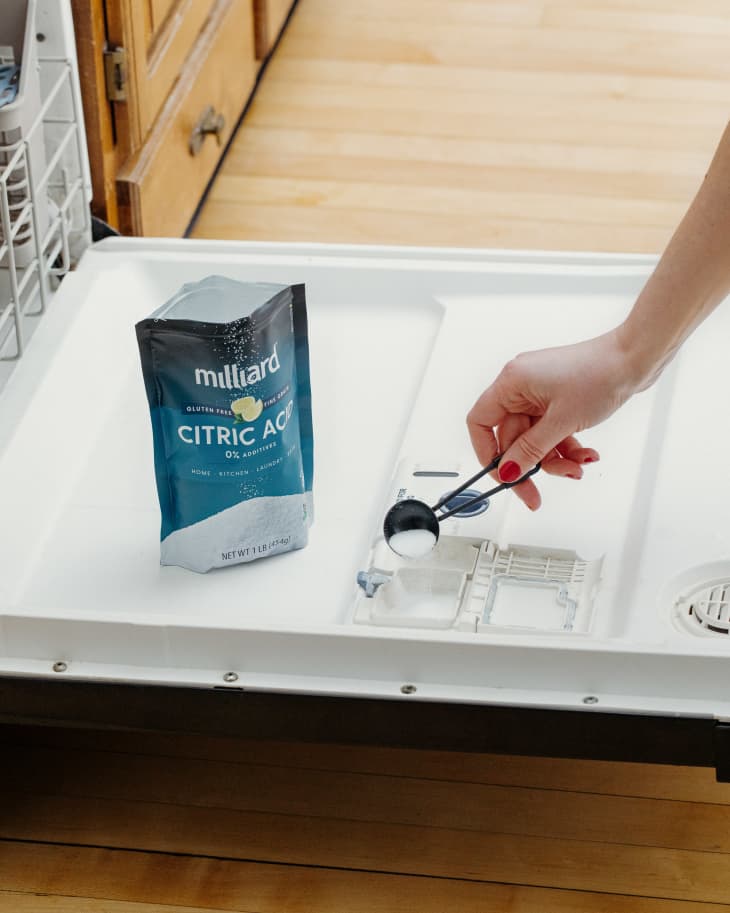
- Citric acid powder — food grade or cleaning grade, 2–4 tablespoons per cycle.
- Measuring spoon — to dose accurately.
- Soft cloth or microfiber towel — for wiping seals and edges.
- Old toothbrush or small soft brush — to scrub filters, spray arm holes, and crevices.
- Rubber gloves — to protect skin if you have sensitive skin.
- Hot water — run the dishwasher on the hottest setting for best results.
This short list supports safe, repeatable cleaning when learning how to clean dishwasher with citric acid.

Step-by-step: how to clean dishwasher with citric acid
-
Empty the dishwasher
Remove racks, utensils, and any loose debris. Check the drain area and remove food particles by hand. -
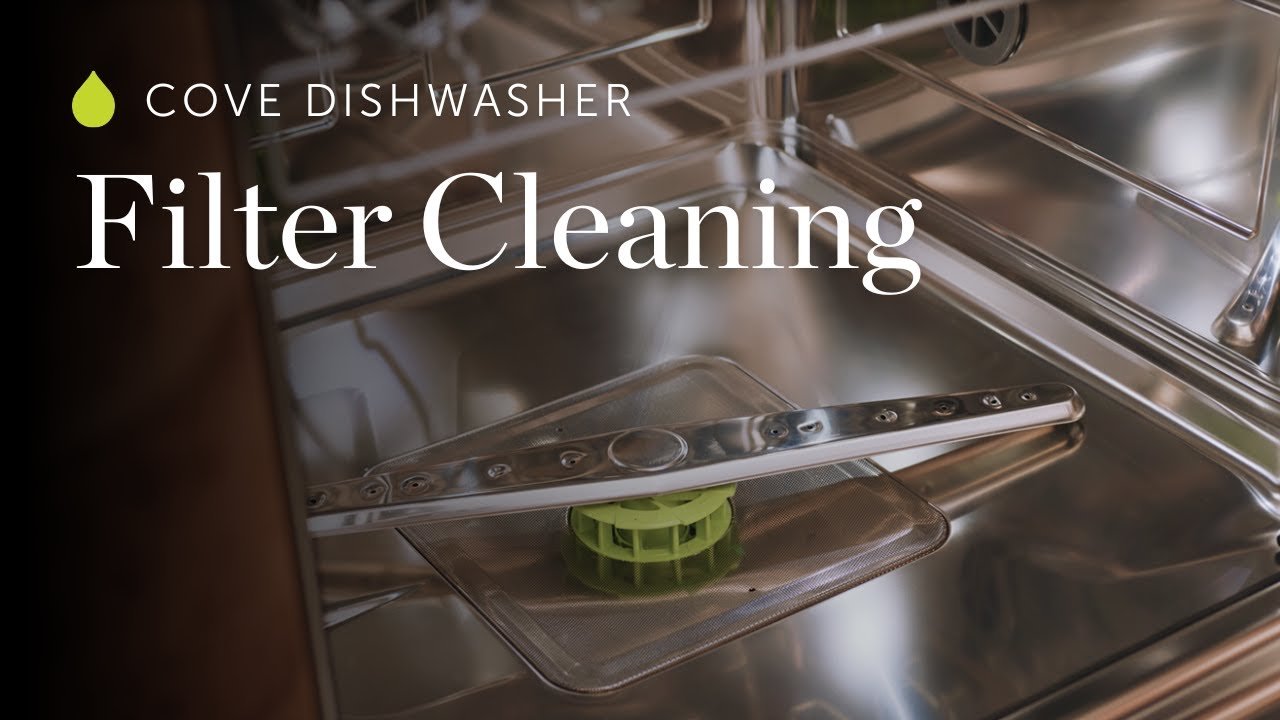
Clean the filter and drain area
Take out the filter and rinse it under hot water. Use the toothbrush to clear trapped gunk and rinse thoroughly. -
Apply citric acid for a cleaning cycle
Measure 2 tablespoons of citric acid and place it in the detergent cup or scatter it in a dishwasher-safe bowl on the top rack. For heavy scale, use 3–4 tablespoons or run two cycles. -
Run a hot, empty cycle
Set your dishwasher to the hottest and longest cycle. Start the dishwasher and let the citric acid do the work. The heat improves dissolving power. -
Wipe seals and edges after the cycle
Use a damp microfiber cloth to wipe door seals, the door frame, and the interior edge. This removes remaining residue and moisture. -
Reassemble and air dry
Replace the filter and racks, and leave the door slightly open to dry. This prevents odors and mold growth.
Repeat monthly if you have hard water. These steps show a practical approach to how to clean dishwasher with citric acid without special tools.
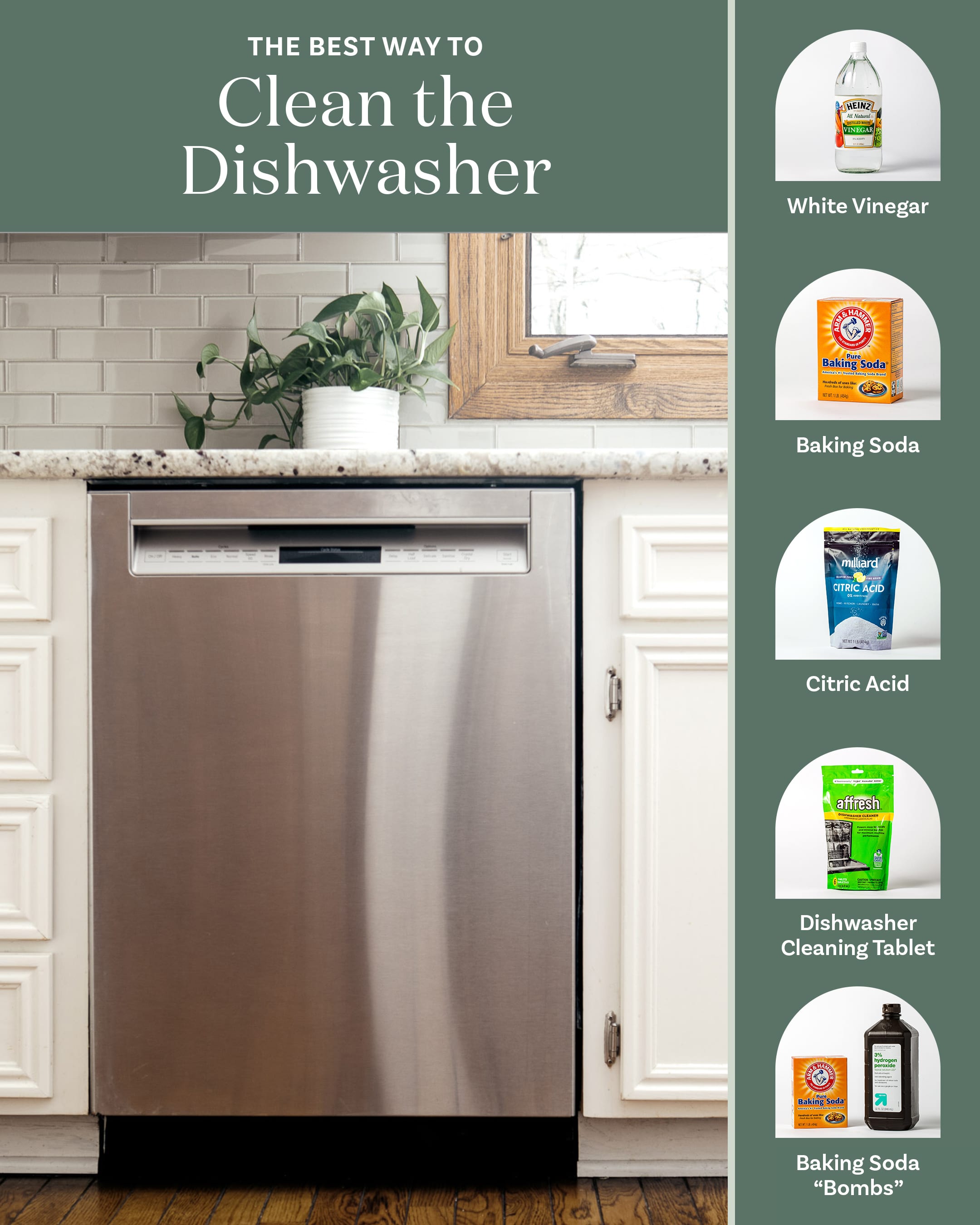
Deep clean and stubborn stain removal
For heavy limescale or brown stains inside the tub, make a thicker citric acid paste. Mix citric acid powder with a little warm water to form a spreadable paste. Apply the paste to stained areas, let sit 15–30 minutes, then scrub gently with a brush and rinse. For rust-colored stains, citric acid can reduce discoloration but deep rust may need a rust-specific cleaner. Always test a small area first to ensure compatibility.

Maintenance schedule and tips
- Weekly: Rinse filters and check the drain for food debris.
- Monthly: Run an empty hot cycle using 2 tablespoons of citric acid to remove scale and odors.
- Quarterly: Inspect spray arms and remove them if needed to clear clogged holes.
- Annually: Do a deep clean with a paste or a double citric acid cycle if you have very hard water.
Following this schedule will keep your dishwasher efficient and prolong its life while demonstrating effective use of how to clean dishwasher with citric acid.

Safety, limitations, and appliance warranties
Citric acid is safe when used as directed, but avoid mixing it with bleach or ammonia. Check your dishwasher manual before using any cleaner. Some manufacturers caution against regular acid-based cleaning that could affect seals over many years. Use citric acid sparingly and follow the recommended frequency to stay within most appliance warranty expectations. If in doubt, contact the manufacturer for guidance.

Personal experience and common mistakes to avoid
I once used too much citric acid in a single cycle and noticed a faint residue on the bottom. The fix was a second hot rinse cycle and proper measurement thereafter. Key lessons I learned: always pre-rinse heavy food, measure citric acid do doses, and keep the door ajar after runs to dry. These small steps make learning how to clean dishwasher with citric acid far more reliable and less likely to leave surprises.

Frequently Asked Questions of how to clean dishwasher with citric acid
How much citric acid should I use per cleaning cycle?
Use 2 tablespoons for regular cleaning and 3–4 tablespoons for heavy scaling. Scatter it in the detergent cup or a dishwasher-safe container on the top rack.
Can citric acid damage dishwasher seals or metal parts?
Used occasionally and in recommended amounts, citric acid is safe for most seals and stainless steel. Avoid daily use, and check your manual to be sure it won’t void warranty.
Is citric acid better than vinegar for descaling?
Citric acid is milder and non-fuming compared with vinegar and often works faster on mineral scale. It is a preferred choice for many because it leaves no strong vinegar smell.
Can I mix citric acid with baking soda or other cleaners?
Mixing citric acid with baking soda causes fizzing and is not necessary in the dishwasher. Avoid mixing with bleach or ammonia to prevent dangerous fumes.
How often should I clean my dishwasher with citric acid?
Monthly cleaning is a good rule for most homes, especially with hard water. Increase frequency if you notice odor, slow drainage, or visible scale.
Conclusion
Citric acid is a simple, effective, and low-toxicity way to descale, deodorize, and maintain your dishwasher. Use measured doses, run a hot cycle, and follow a monthly schedule for best results. Try the steps above this week and leave the door ajar after cleaning to keep things fresh. If you found this guide helpful, subscribe for more practical cleaning tips or share your own dishwasher wins and questions in the comments.