
Run the dishwasher drain hose by looping it high, securing it to the sink drain or air gap, and sloping it toward waste.
I’ve installed and rerouted dozens of dishwashers, so I’ll walk you through how to run drain hose for dishwasher safely, legally, and without leaks. This guide explains routing options, code-friendly hookups, step-by-step installation, common mistakes, and simple maintenance tips. Follow these clear steps and real-world tips to avoid backups, odors, or appliance damage.
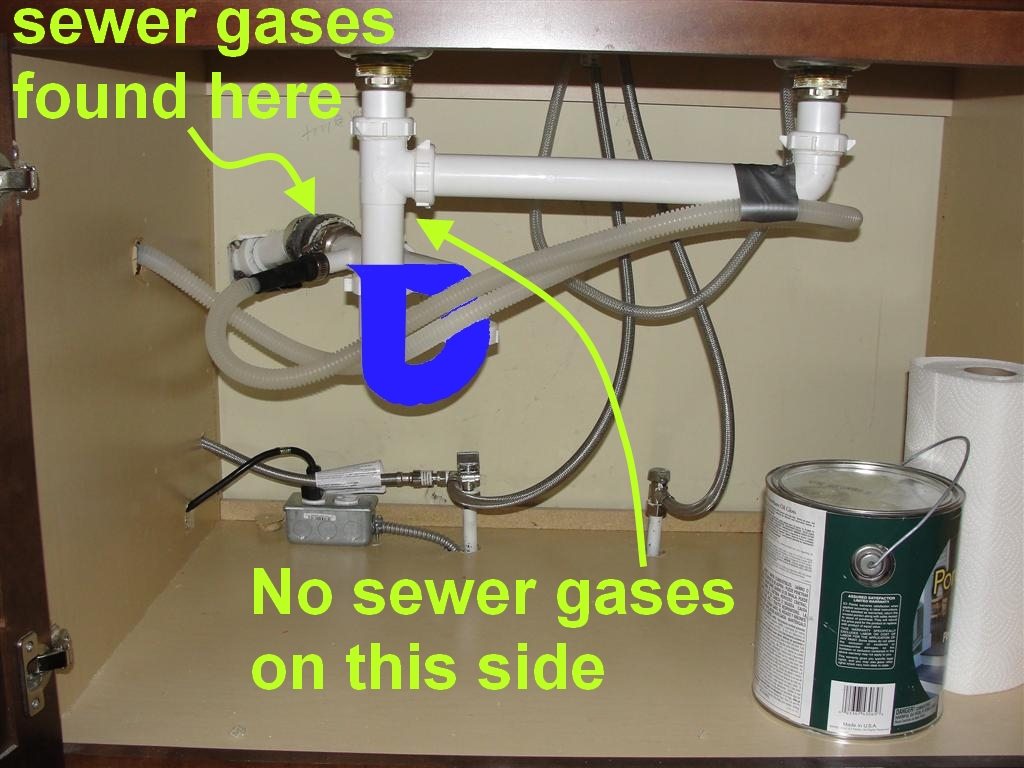
Why correct drain hose routing matters
A properly routed drain hose prevents clogs, backflow, and leaks. It also protects your dishwasher pump and keeps your kitchen sanitary.
- Correct routing keeps dirty water out of the dishwasher.
- A high loop or air gap meets most plumbing rules.
- Poor routing can void warranties and cause water damage.
/dishwasher-drain-hose-connections-2718613-09-3f63c303030749e9985b75df021aeeb6.jpg)
Tools and materials you’ll need
Gather these items before you begin. Having everything ready keeps the job fast and tidy.
- New dishwasher drain hose if the old one is worn or kinked.
- Hose clamps or spring clamps sized for the hose.
- Screwdriver or nut driver for clamps and fasteners.
- Adjustable wrench for plumbing connections.
- Zip ties or metal straps to secure the hose.
- Tape measure to check lengths and clearances.
- Bucket and rags for water spills.
Understand common drain hookups and local rules
There are three standard ways to connect a dishwasher drain hose. Pick the one that fits your local code and kitchen layout.
- Air gap on countertop or sink deck
- Provides physical separation to stop backflow.
- Often required by code in some areas.
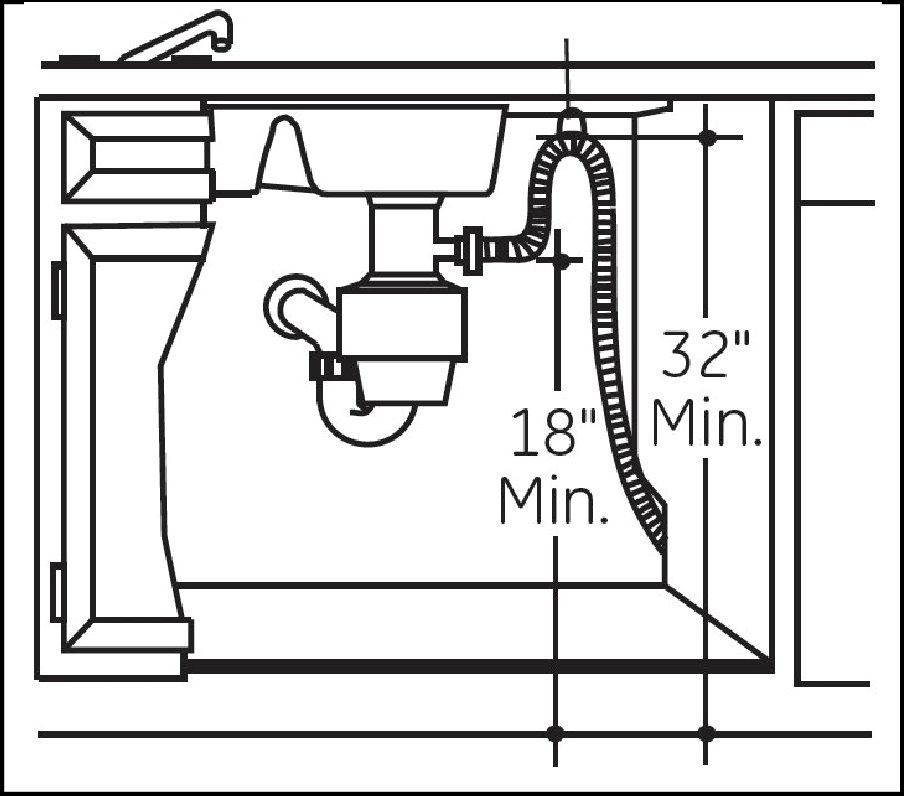
- High loop to sink tailpiece
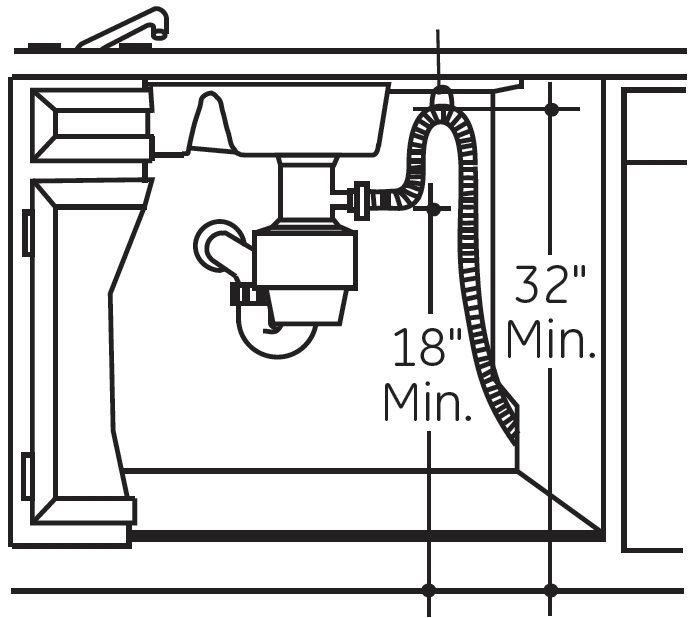
- Simple method: loop hose high under countertop and clamp near cabinet underside.
- Works where air gap is not required.
- Direct to garbage disposal
- Connects to the dishwasher inlet on the disposal.
- Ensure the knockout plug in a new disposal is removed.
Check local plumbing codes or your municipality’s requirements before choosing. I once learned this the hard way when an inspector required an air gap that I hadn’t planned for.
Step-by-step: how to run drain hose for dishwasher
Follow these steps. Keep sentences short. Test after you finish.
- Measure and plan the route
- Run the hose from the dishwasher to the sink area.
- Avoid tight bends and kinks; keep the hose length minimal but sufficient.
- Create a high loop or install an air gap
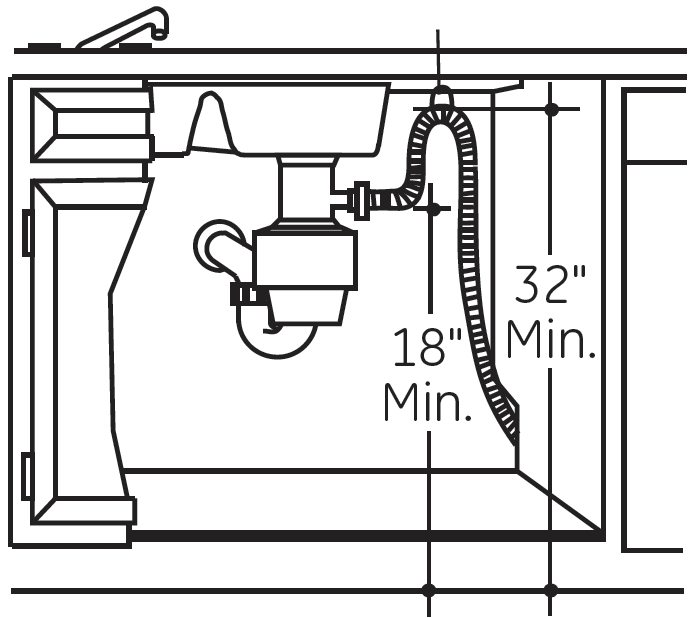
- For a high loop, attach the hose to the underside of the countertop so it rises above the dishwasher’s base then drops to the sink connection.
- For an air gap, mount it on the sink or countertop and route the hose from the dishwasher to the air gap inlet, then from the air gap outlet to the drain or disposal.
- Connect to the disposal or tailpiece
- If connecting to a disposal, ensure the knockout plug is removed.
- Slide the hose over the inlet and clamp tightly.
- For tailpiece connections, use a dishwasher branch tailpiece and clamp the hose.
- Secure the hose
- Use zip ties or metal straps to prevent the hose from sagging.
- Keep the high loop firmly fastened directly under the counter.
- Check for leaks and proper slope
- Run the dishwasher through a short cycle and watch connections.
- Ensure water drains smoothly and no backflow occurs.

Common mistakes and how to avoid them
Learn from real installs. I’ve fixed these errors many times.
- Mistake: Low routing under the cabinet
- Why it’s bad: Causes backflow and dishwasher flooding.
- Fix: Re-route to create a high loop or add an air gap.
- Mistake: Kinked or tight-bent hose
- Why it’s bad: Restricts flow and invites clogs.
- Fix: Use a longer hose or adjust route to remove sharp bends.
- Mistake: Loose clamps
- Why it’s bad: Leads to leaks and water damage.
- Fix: Use stainless clamps and tighten to manufacturer torque.
- Mistake: Forgetting the disposal knockout
- Why it’s bad: No drainage from dishwasher.
- Fix: Remove the knockout before connecting the hose.

Troubleshooting tips and quick fixes
Short problems. Quick solutions.
- Slow drain or standing water
- Check for clogs in the hose or disposal. Disconnect and inspect.
- Siphoning or gurgling
- Ensure the high loop is high enough or install an air gap.
- Visible leaks
- Tighten clamps or replace a cracked hose section.
- Dishwasher refusing to drain
- Inspect the drain pump for debris or test for electrical faults.
:max_bytes(150000):strip_icc()/dishwasher-drain-hose-connections-2718613-hero-1f5cd31f7a5143e6a798c11102f0a070.jpg)
Maintenance and long-term care
A little upkeep prevents big repairs.
- Inspect hose annualy for cracks, wear, and soft spots.
- Clean disposal and tailpiece to reduce buildup.
- Replace hoses every 5–7 years or sooner if damaged.
- Run a cleaning cycle with a dishwasher cleaner monthly to reduce grease.
Personal experience and lessons learned
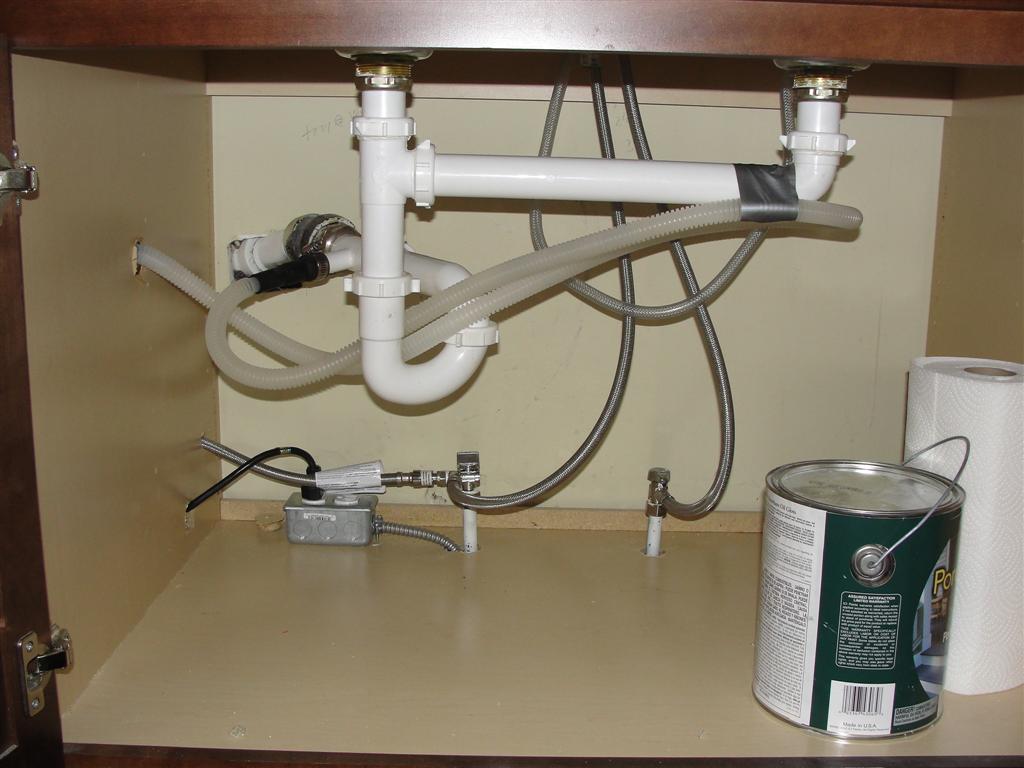
I’ve rerouted many kitchen drains after homeowners ignored small issues. One job taught me to always secure the high loop directly under the countertop. A loose loop slipped, causing frequent backups. Since then, I always fasten the hose near its peak. I also advise keeping a spare hose and clamps in the utility drawer. It saved a Sunday call-out once.

PAA-style questions (People Also Ask)
Q: Can I run the dishwasher drain hose to the garbage disposal?
A: Yes. Remove the disposal knockout plug first, then clamp the hose to the disposal inlet. Ensure a secure connection and test for leaks.
Q: Is an air gap required for dishwasher drain hoses?
A: It depends on local code. Many areas require an air gap to prevent backflow. Check local plumbing rules before installation.
Q: How high should the high loop be for a dishwasher drain hose?
A: The loop should rise to the underside of the countertop or higher, above the dishwasher’s base. The higher the loop, the better the protection against backflow.
Frequently Asked Questions of how to run drain hose for dishwasher
How long should a dishwasher drain hose be?
A dishwasher drain hose should be as short as practical while avoiding tight bends. Long hoses can increase risk of clogs and reduce drain efficiency.
Do I need an adapter to attach the hose to the disposal?
Most disposals have a dishwasher inlet that accepts the hose directly. If sizes differ, use a proper adapter and secure with a clamp.
Can I route the drain hose through the cabinet floor?
Routing through the cabinet floor is possible but avoid low points and keep a high loop or air gap above the floor level to prevent backflow.
What clamp type is best for the drain hose?
Stainless steel worm-drive clamps or spring clamps work well. Use corrosion-resistant clamps and tighten firmly but avoid over-tightening which can crush the hose.
How can I tell if the hose is clogged?
Slow draining, gurgling, or water remaining in the dishwasher are signs of a clog. Disconnect the hose and run water through it to check for blockages.
Will running the hose above the sink cause problems?
No. A high loop above the sink is beneficial. It prevents waste water from flowing back into the dishwasher and helps the pump work efficiently.
Conclusion
Properly running the drain hose prevents leaks, backups, and costly repairs. Follow the high loop or air gap approach, secure all clamps, and test the system. Small steps now save headaches later.
Take action today: inspect your current hose route, secure the high loop or install an air gap if needed, and replace worn hoses. Share your experience or ask a question below to get personalized help.