
You can run the dishwasher manually by adding detergent directly and pausing at the rinse cycle.
I’ve helped dozens of homeowners troubleshoot common dishwasher problems, so I’ll walk you through clear, safe ways to keep cleaning dishes while you figure out a repair. This guide explains how to use dishwasher with broken soap dispenser step-by-step, covers temporary fixes, safety tips, when to repair or replace parts, and real-world insights from my experience.

Why a soap dispenser breaks and what that means for your dishwasher
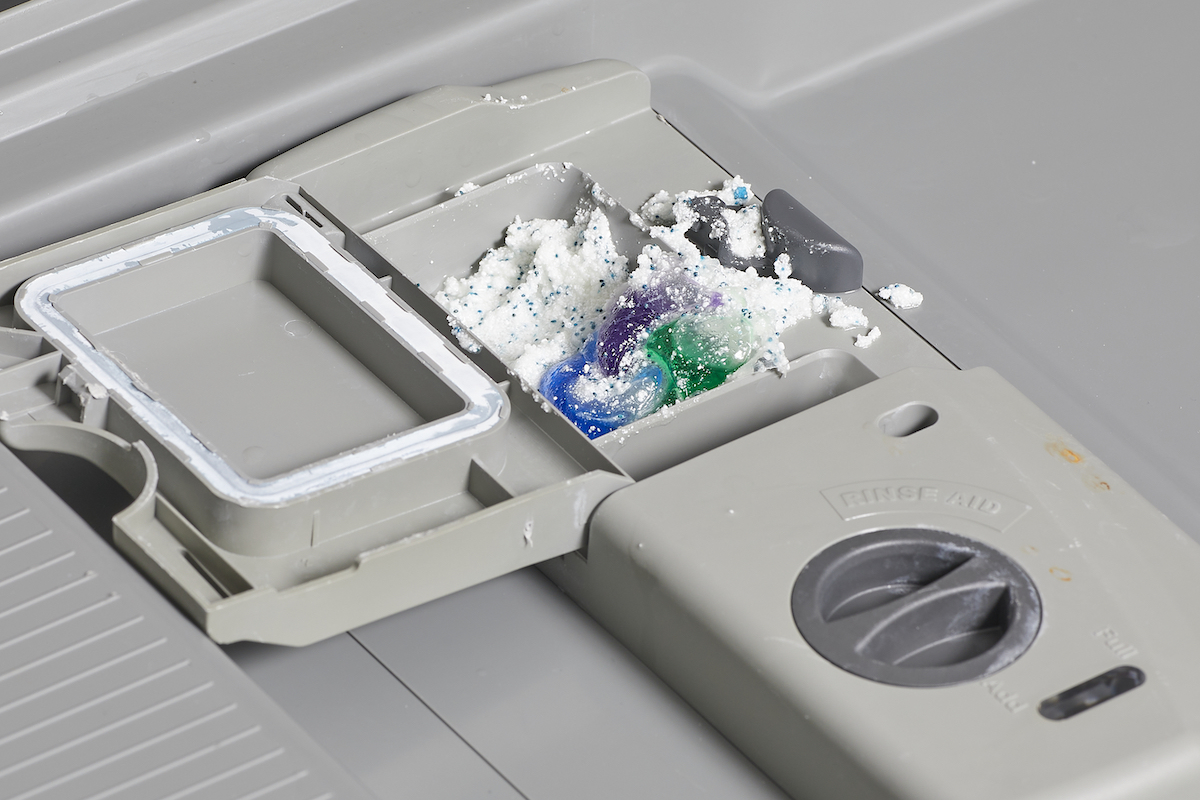
A broken dispenser can be mechanical, electrical, or caused by clogging from old detergent. Common causes include worn spring or latch, gummed-up detergent residue, motor or solenoid failure, or door alignment problems. When the dispenser doesn’t open, the machine won’t release soap at the right time, leaving dishes unclean or forcing you to add detergent manually.
If you plan to run the dishwasher while the dispenser is broken, know that the machine can still wash. You just must add detergent in a way that matches the wash cycle. Understanding the cause helps decide if a quick fix or a service call is best.

Quick fixes and temporary workarounds
You can use short-term methods to get through a few loads before repair. These are safe and simple.
- Add detergent directly into the bottom of the tub before starting the main wash. This works for most automatic cycles.
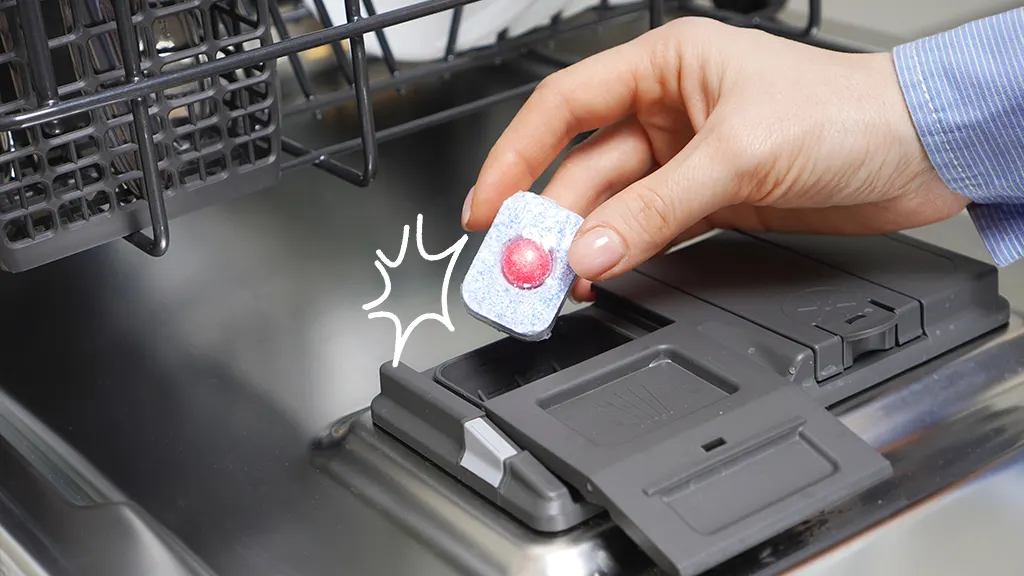
- Use a dishwasher-safe detergent pod placed on the bottom rack, not in the dispenser. It will dissolve during the wash.
- Pause the cycle at pre-rinse and add soap into the tub, then restart to mimic normal release timing.
- Run longer, hotter cycles to improve cleaning if soap timing is imperfect.
- Use rinse aid to reduce spots when detergent distribution is uneven.
These fixes let you use the machine without the dispenser opening. For heavy soil, pre-rinse or soak dishes to improve results.
How to use dishwasher with broken soap dispenser: step-by-step
Follow this simple sequence to get clean dishes without the dispenser.
- Inspect the dispenser door to ensure it’s not physically jammed. Clear residue with a damp cloth.
- Choose detergent: powdered or liquid works best for manual dosing; pods work on the tub floor.
- Load dishes normally and place heavily soiled items closer to the spray arms.
- Add detergent: sprinkle powder or measure liquid directly into the bottom of the tub near the center. If using a pod, set it on the bottom rack.
- Start the cycle and select a normal or heavy wash depending on soil. For best results, choose a high-temperature setting.
- If you want detergent to act later in the cycle, pause at the main wash or before final rinse and add more detergent if needed.
- When the cycle finishes, check for spots or residue and rewash specific items by hand if necessary.
These steps are practical and match how most dishwashers distribute spray and detergent. If you’re unsure which cycle is which, consult your manual for timing of wash/rinse stages.
Safety, detergent choices, and do’s and don’ts
Safety comes first when working around appliances and detergents.
- Do use dishwasher-specific detergent to avoid excessive suds or damage.
- Do not use regular dish soap; it creates foam and can overflow.
- Do avoid overfilling liquid detergent—start small and test.
- Do keep detergents out of children’s reach and wear gloves when handling concentrated liquid.
- Don’t block the spray arms or filter when placing detergents on the bottom.
If you notice leaks, electrical smells, or repeated poor cleaning, stop using the machine and call a technician. Continuing may cause more damage or safety risk.

When to repair, replace parts, or call a professional
Use temporary fixes for a short time, but plan a repair when:
- The dispenser doesn’t open after cleaning and inspection.
- Electrical or mechanical failure is suspected (no click, motor faults).
- Multiple attempts at temporary fixes fail to produce clean dishes.
- You want to restore automatic convenience and avoid frequent manual dosing.
Replacing a dispenser latch or spring is often inexpensive and doable for a handy homeowner with basic tools. If the issue involves the solenoid or electronics, a certified technician or appliance service is a safer choice.
Real-life tips and personal experience
I once managed a rental property where tenants reported poor cleaning. The soap dispenser latch was worn and stuck. I ran loads with powder added to the tub for two weeks while ordering the replacement part. The results were fine for daily dishes, but greasy pans needed a short prewash. Lesson learned: keep a small stock of powdered detergent and learn which cycles heat best on your machine.
Practical tips from my experience:
- Keep a labeled container of powdered detergent handy for manual use.
- Note which cycles clean best without the dispenser, and use them until fixed.
- Avoid letting residue build up; it makes the dispenser stick again.
These small habits saved time and prevented extra service calls.

Maintenance tips to prevent future dispenser problems
Regular care helps avoid headaches later.
- Clean the dispenser and surrounding door area monthly to remove buildup.
- Run a dishwasher cleaner or a vinegar rinse periodically to dissolve residues.
- Inspect the latch and spring for wear and replace parts early.
- Use recommended detergents and avoid overpacking the unit.
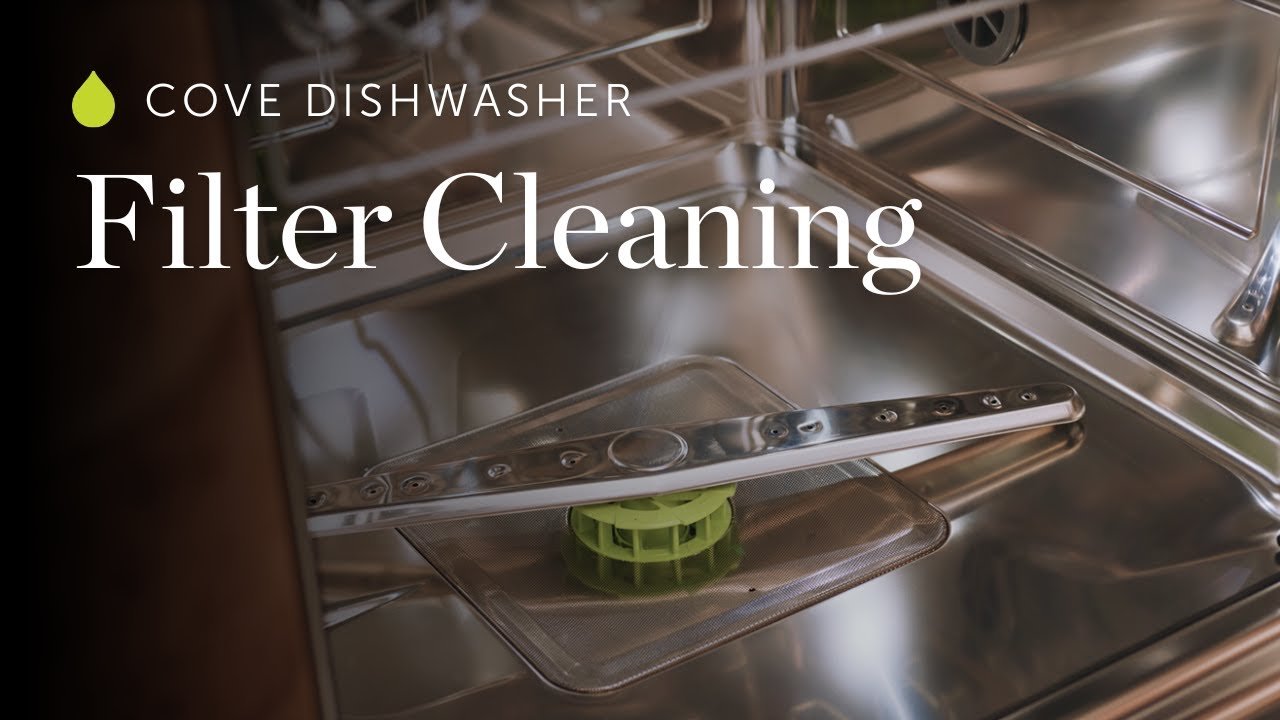
- Keep the filter clear to maintain good water flow and spray pressure.
Routine checks cut down on sudden failures and extend the life of your appliance.
Frequently Asked Questions of how to use dishwasher with broken soap dispenser
Can I run my dishwasher if the soap dispenser is broken?
Yes. You can run the dishwasher by adding detergent directly into the tub or using a pod on the bottom rack. Avoid regular dish soap to prevent suds.
What type of detergent is best when the dispenser is broken?
Powdered dishwasher detergent or liquid dishwasher detergent dosed into the tub works best; pods also work when placed on the bottom rack. Choose dishwasher-specific products only.
Will adding detergent to the bottom damage the dishwasher?
No, adding dishwasher detergent to the tub is safe and commonly used as a temporary fix. Just avoid overuse and follow normal detergent amounts.
How do I time detergent release if the dispenser won’t open?
Pause the cycle at the start of the main wash and add detergent then, or choose a longer hot wash so detergent dissolves and acts properly throughout. Monitor results and adjust as needed.
When should I call a professional to fix the dispenser?
Call a pro if the dispenser doesn’t open after cleaning or if electrical components or solenoids seem faulty. If temporary fixes fail, schedule a repair to avoid worsening damage.
Conclusion
You can confidently use your dishwasher with a broken soap dispenser by adding dishwasher-safe detergent to the tub, using pods on the bottom rack, or pausing cycles to mimic normal soap release. These methods are safe short-term solutions while you inspect, clean, or arrange for repair. Try the steps here, practice simple maintenance, and schedule a fix when convenient to restore full automation. If this helped, leave a comment, share your experience, or subscribe for more practical appliance tips.