
Use a dishwasher on the top rack, bottle-side down, with caps and nipples secured.
I’ve washed hundreds of bottles in dishwashers over years of parenting and product testing. This guide explains exactly how to wash bottles in dishwasher safely and well. I’ll walk you through which bottles are dishwasher-safe, the best rack placement, detergent choices, and how to dry and sanitize parts. You’ll get clear steps, common mistakes to avoid, and tips from real experience so you can trust your bottles are clean and ready.

Why choose a dishwasher for bottles?
Dishwashers save time and use hot water the whole cycle. They clean hard-to-reach areas with steady water flow and heat. Knowing how to wash bottles in dishwasher helps you cut chores while keeping bottles hygienic.
Benefits of using a dishwasher
- Saves time compared with hand washing.
- Uses consistent high heat for better cleaning.
- Reaches inside with jets and handles many parts at once.
- Cuts use of harsh scrubbing that wears plastic over time.
When a dishwasher is not ideal
- Some delicate glass or insulated bottles can crack.
- Thin plastics may warp on high heat.
- Small parts like valves may get lost or miss-cleaned in the wrong spot.

Safety and compatibility: which bottles belong in the dishwasher
Check manufacturer labels for dishwasher-safe icons or guidance. If the label is gone, use this simple test: avoid frequent dishwasher cycles for soft plastics or bottles with paint and decals.
Bottle types and dishwasher guidance
- Glass bottles
- Usually safe on any rack. Use a secure bottle basket to prevent clinking.
- Hard plastic (BPA-free)
- Most are top-rack safe. Avoid bottom rack heat if the manual warns.
- Silicone parts
- Often dishwasher-safe. Place small silicone nipples and liners in a mesh basket.
- Insulated stainless steel
- Many are not dishwasher-safe because harsh detergents strip finishes and damage vacuum seals.
- Painted or decorated bottles
- Hand wash to protect graphics.
Labels to look for
- Dishwasher-safe icon
- Temperature rating
- Care instructions in the product box or manual
Step-by-step: how to wash bottles in dishwasher
Follow these short, clear steps for reliable results every time you wash bottles in dishwasher.
- Pre-rinse and disassemble
- Rinse bottles to remove milk or juice residue.
- Take caps, nipples, valves, and rings apart to expose all surfaces.
- Load bottles correctly
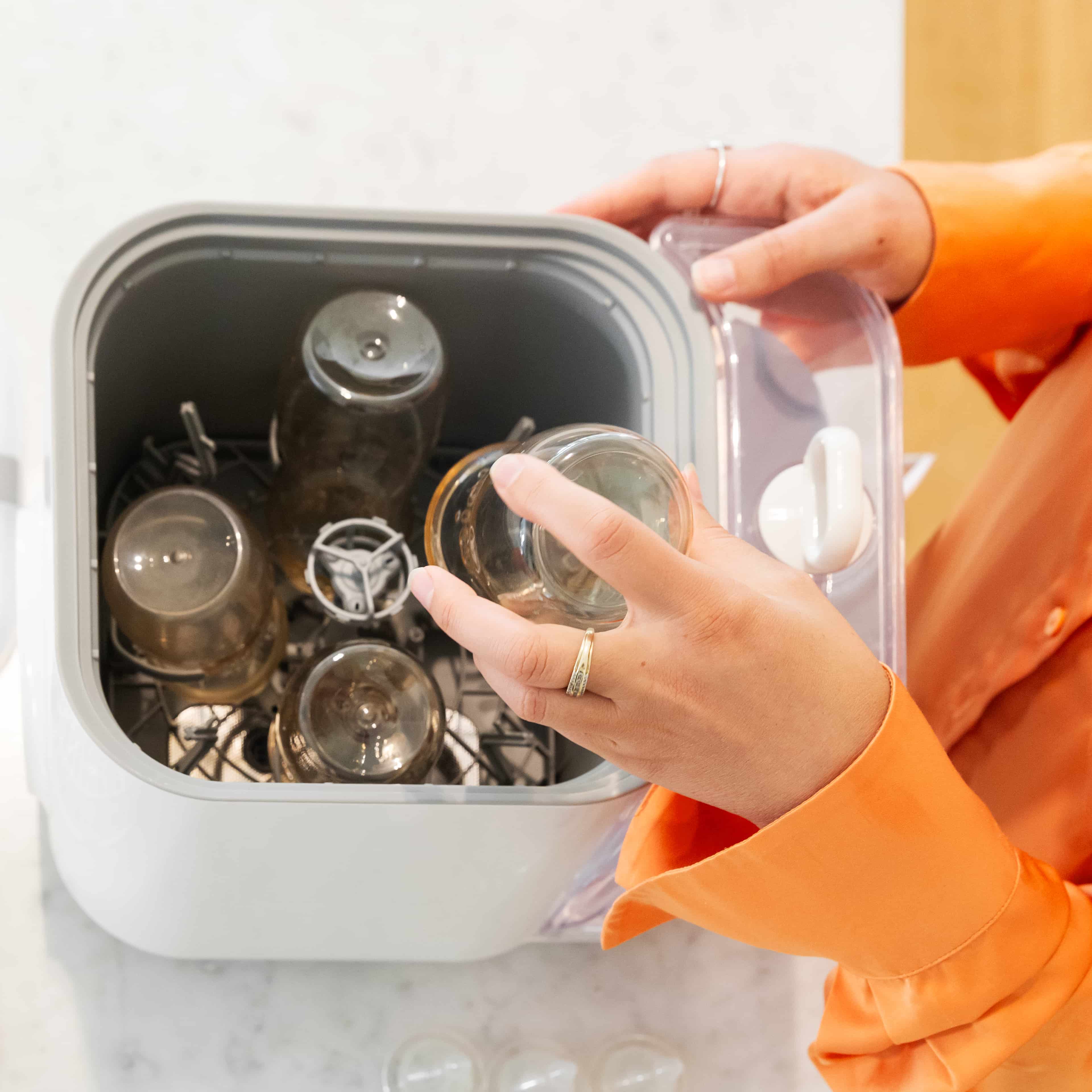
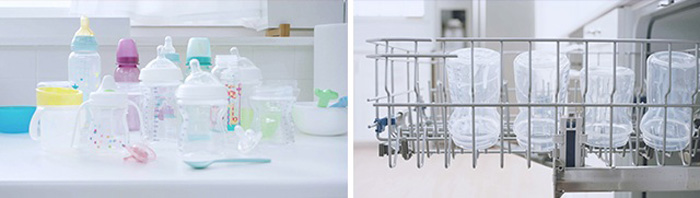
- Place bottles on the top rack, neck down.
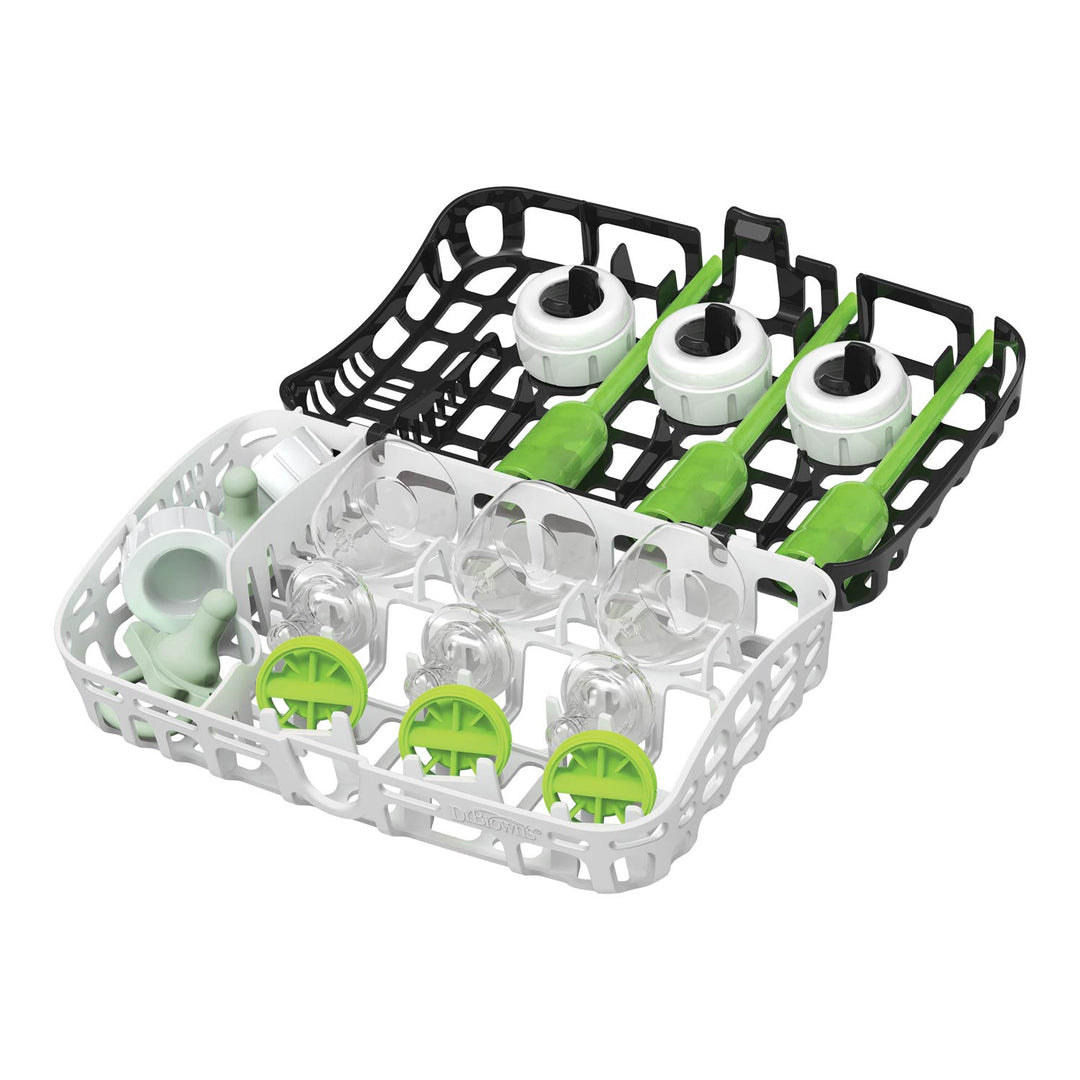
- Nest smaller parts in a dishwasher-safe mesh basket or on the top rack holder.
- Stand nipples upright on the rack tines if they fit securely.
- Use the right detergent and cycle
- Use a mild, phosphate-free detergent.
- Choose a normal or sanitize cycle if available. Avoid extra-hot cycles for sensitive plastics.
- Skip the heated drying if parts are heat-sensitive; air dry instead.
- Dry and reassemble
- Let items cool and air dry fully before reassembling.
- Check seals and valves for trapped moisture.
Practical notes from experience
- I learned to always use a small mesh basket for nipples. It saved countless lost parts.
- Rinsing right away prevents dried-on milk that dishwasher jets struggle to remove.
 different bottle types and parts”
style=”max-width: 100%; height: auto; border: 2px solid black; border-radius: 10px; display: block; margin: 0 auto;”
loading=”lazy”
/>
Tips for different bottle types and parts
Small changes help different bottles come out clean and intact when you wash bottles in dishwasher.
For glass bottles
- Use a soft rack or padding to stop clinking.
- They tolerate higher temps, so the sanitize cycle is fine.
For plastic bottles
- Put them on the top rack away from the heating element.
- Avoid high-heat dry options to prevent warping.
For breast pump parts and nipples
- Place in a mesh basket or dishwasher-safe container.
- Run a sanitize cycle if recommended by the pump maker.
For insulated bottles
- Check the manual; many say hand wash only.
- If dishwasher-safe, use top rack and avoid heated dry.
For bottle brushes and accessories
- Clean brushes separately and let them dry upright.
- Replace worn brushes; frayed bristles trap slime.
Maintenance, sanitizing, and long-term care
Keeping the dishwasher itself clean improves how you wash bottles in dishwasher.
Dishwasher maintenance tips
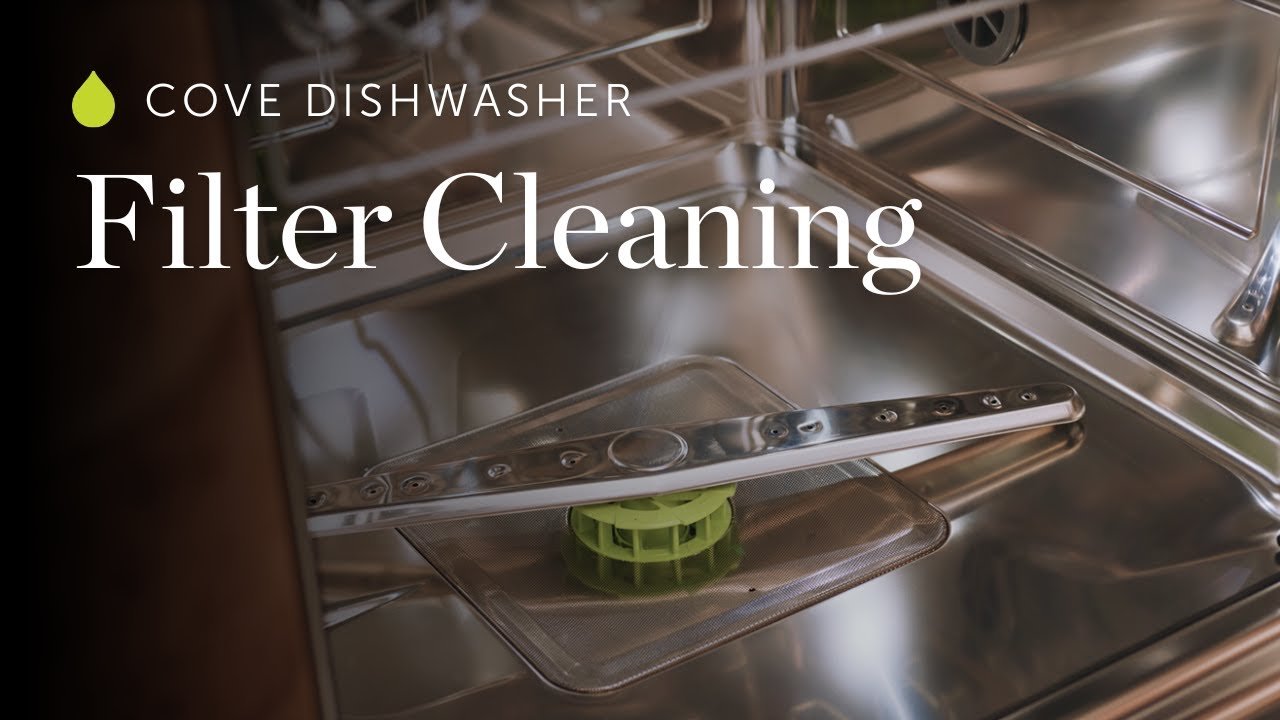
- Clean filters and spray arms monthly to avoid greasy buildup.
- Run an empty hot cycle with a dishwasher cleaner or vinegar to remove odors.
- Wipe the door seal and gasket to prevent mold.
Sanitizing when needed
- Use the dishwasher’s sanitize setting when available. It raises water temperature for a short time to kill germs.
- For extra high-risk situations, run sterilizing tablets designed for baby gear in the dishwasher per product instructions.
When to hand-sanitize
- If parts have tiny cracks or foam seals, hand-sterilize with boiling water only if the material allows it.
- For electric pump parts or batteries, never use the dishwasher; follow maker recommendations.

Troubleshooting common problems
Solving common issues helps you keep washing bottles in dishwasher without waste or worry.
If bottles come out cloudy
- Hard water can leave mineral film. Use a rinse aid or occasional vinegar cycle.
- Clouding on plastic from heat indicates repeated overheating; move these items to hand wash.
If nipples or valves still smell
- Disassemble and soak in warm soapy water for 15 minutes, then run a short dishwasher cycle in a mesh basket.
- Replace silicone parts each 2–3 months if odor persists.
If small parts go missing
- Use a mesh bag or dishwasher basket for small pieces.
- Tape lightweight parts to the rack with heat-resistant tape for the cycle.
If stains remain
- Pre-soak stains in baking soda paste or lemon juice before washing.
- Avoid bleach on colored parts; use oxygen-based stain removers per product directions.
Common quick questions
Here are short answers to frequent how to wash bottles in dishwasher concerns.
How often should I wash bottles in the dishwasher?
- Wash used bottles after each use or store rinsed parts until you can wash them. Regular cycles prevent buildup.
Can dishwasher heat damage bottles?
- Yes. Repeated high heat can warp plastic and damage insulation. Use top-rack and gentle cycles.
Is it safe to put nipples and valves in the dishwasher?
- Yes when placed in a mesh basket on the top rack. Check the maker’s instructions first.
Should I use the dishwasher sanitize setting?
- Use sanitize for baby feeding gear when available. It helps kill germs by raising temperature briefly.
Do I need to hand dry after a dishwasher cycle?
- Air drying is usually best. Hand drying can introduce bacteria via towels.
Personal lessons and practical mistakes to avoid
I have run many cycles to test methods. These lessons will save you time and headaches.
What I learned the hard way
- Mistake: Tossing tiny vents straight on the rack. They often fly off or clog the filter. Fix: Always use a mesh basket.
- Mistake: Using the bottom rack for plastic bottles. Fix: Move them to the top rack to avoid heat warping.
Simple habits that help
- Rinse parts soon after use to avoid baked-on residue.
- Label bottles with names when multiple kids use them; it avoids mix-ups after dishwasher loads.
People also ask (PAA-style)
Will dishwasher detergent harm baby bottles?
- Modern mild detergents are safe for most bottles when used as directed. Rinse and air-dry thoroughly to remove any residue.
Can I wash breast pump parts in the dishwasher?
- Some parts are dishwasher-safe on the top rack. Check the pump manual and use a mesh basket for small pieces.
How do I prevent mold in bottle parts?
- Dry parts fully before storing and check seals regularly. Replace parts that trap moisture or show mold.
Are all nipples dishwasher-safe?
- Many nipples are safe on the top rack, but always confirm with the product. Silicone tends to tolerate dishwashing better than latex.
How long do I run the sanitize cycle?
- Sanitize cycles vary by machine; follow your dishwasher’s guidance. Typically, a full wash with sanitize on is enough to reduce germs.
Frequently Asked Questions of how to wash bottles in dishwasher
How do I prepare bottles before placing them in the dishwasher?
Rinse bottles quickly to remove milk or juice. Disassemble all parts so water and detergent reach every surface.
Where should I place bottles in the dishwasher?
Place bottles on the top rack, neck down. Keep small parts in a mesh basket on the top rack to avoid loss.
Which detergent is best when I wash bottles in dishwasher?
Use a mild, phosphate-free detergent. Avoid harsh detergents or bleach that can damage parts and leave residue.
Can I sanitize bottles in the dishwasher?
Yes, use the dishwasher sanitize setting if your machine has it. It uses higher heat to reduce germs safely for most materials.
What if a bottle is labeled hand wash only?
Follow the maker’s instructions and hand wash that bottle. Hand washing protects finishes, insulation, and adhesives from damage.
Conclusion
You can save time and keep feeding gear clean by knowing how to wash bottles in dishwasher correctly. Check labels, disassemble parts, use the top rack, and choose mild detergent and appropriate cycles. Small steps like a mesh basket for nipples and routine dishwasher cleaning make a big difference. Try these tips on your next load and see how chores get easier. Share your own tips, ask questions below, or subscribe for more practical, tested advice.