
A clean Breville juicer makes better-tasting juice, lasts longer, and avoids mold, off-flavors, and motor strain. This practical guide covers a fast daily routine, a weekly deep clean, how to care for the mesh filter, stain and odor removal, dishwasher tips, troubleshooting, and maintenance recommendations so your machine performs reliably.
Why cleaning your Breville juicer matters
- Residue and dried pulp clog the mesh filter, reduce juice yield and put extra load on the motor.
- Regular cleaning prevents bacterial and mold growth and preserves flavor.
- Small daily habits reduce the need for long scrubs and make deep cleaning faster.
Safety first
- Always unplug the juicer and wait for all parts to stop moving before disassembling.
- Never submerge or pour water into the motor base. Wipe it with a damp cloth then dry.
- Use mild dish soap, warm water, and soft brushes (Breville cleaning brush or a soft nylon brush). Wear gloves if you have cuts or if you use vinegar/baking soda solutions.
Quick daily clean
Follow this immediately after juicing to stop pulp from drying into the mesh.
- Unplug and disassemble: remove the pulp bin, lid, pusher, feed chute/juicing cone, and filter.
- Empty pulp into compost or trash.
- Rinse removable parts under warm running water to flush loose pulp.
- Use the small brush to gently scrub the mesh filter from both sides while running water through it.
- Wash parts in warm, soapy water, rinse, and let air-dry on a rack.
- Wipe and dry the motor base with a damp microfiber cloth.
Tip: If you rinse immediately after use, you’ll rarely need aggressive scrubbing later.
Weekly deep clean (or after heavy/fibrous use)
Do this weekly if you juice multiple times per week or process fibrous produce (celery, kale, wheatgrass).
- Fully disassemble all removable parts.
- Prepare a soak: warm water + 1 tbsp white vinegar per liter (or 1 tsp baking soda per liter) to help loosen pulp and stains.
- Soak the bowl, lid, pusher, and feed chute 10–20 minutes. Limit soak time for the mesh filter to 5–10 minutes if your model has adhesive or delicate seals.
- Use a soft brush or toothbrush to scrub the mesh filter thoroughly, brushing both sides and rotating the filter to dislodge trapped fibers.
- For stubborn residue, scrub with a baking soda paste (baking soda + a few drops of water), then rinse.
- Rinse all parts thoroughly and air-dry completely before reassembling.
How to clean the Breville juicer filter (mesh screen)
- Rinse immediately after each use to stop pulp from setting into the mesh.
- Brush with a soft nylon brush in circular motions to free trapped fibers.
- If clogged, soak 10 minutes in warm water with a splash of vinegar, then brush and rinse.
- Never use metal scouring pads or hard scrapers — they can deform or damage the mesh.
- Inspect for dents or tears; replace the filter if damaged to maintain juice quality.
Removing stains, odors, and mineral buildup
- Stains (beet, turmeric): apply a baking soda paste, let sit 5–10 minutes, gently scrub, then rinse. Some deep color may remain cosmetic only.
- Odors: soak parts in warm water with 1 cup white vinegar per gallon for 10–15 minutes, rinse thoroughly, and dry in sunlight if possible.
- Mineral scale: use 1:3 vinegar-to-water soak for 15 minutes, rinse well, and run water with a little lemon through the machine to neutralize vinegar smell.
- Sticky citrus oil: regular dish soap and a soft brush generally remove residues; repeat if necessary.
Dishwasher guidance
- Check your model manual first. Many Breville models allow certain parts (juice jug, some lids, feed chute) on the top rack.
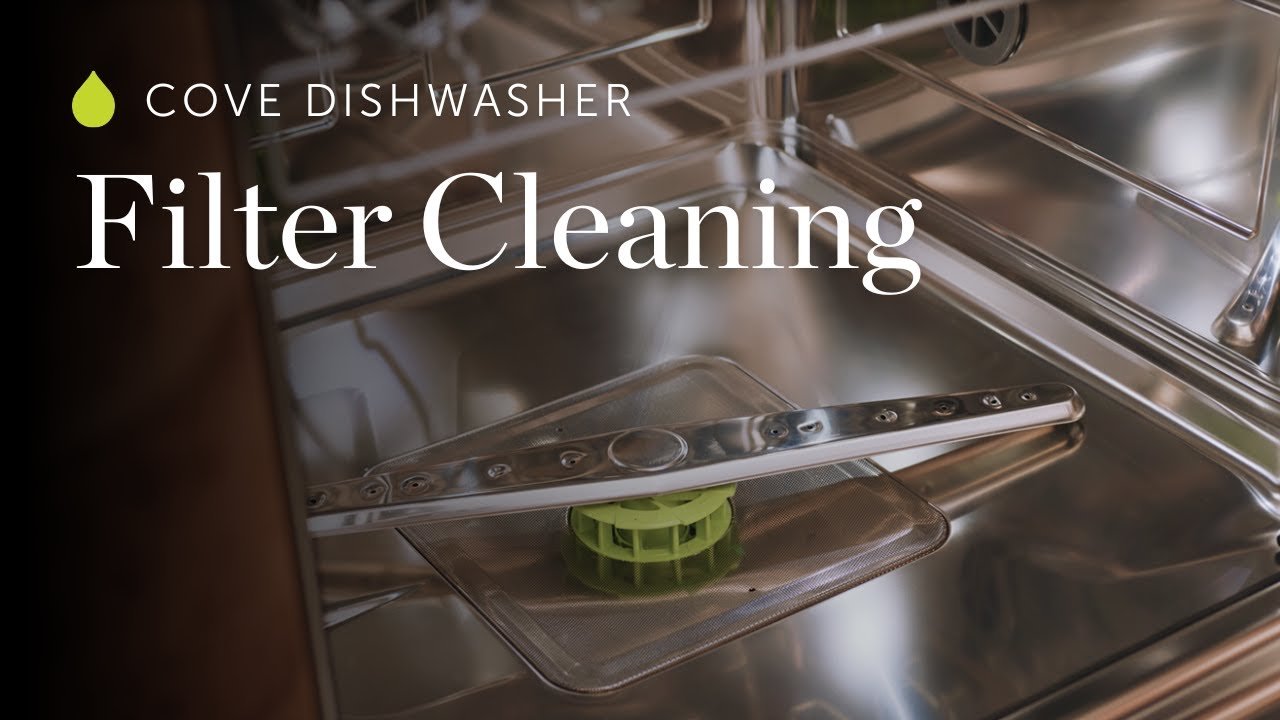
- The mesh filter/strainer is usually best hand-washed — dishwasher heat and detergents can damage the fine mesh or coating.
- Never put the motor base in the dishwasher.
Tools and supplies that make cleaning easier
- Soft nylon brush or Breville cleaning brush
- Old toothbrush for crevices
- Microfiber cloth for the motor base
- Baking soda and white vinegar for stains and scale
- Small tub or basin for soaking parts
- Gloves for sensitive skin
Troubleshooting common issues
- Filter still clogged after rinsing: soak 10 minutes, scrub both sides.
- Persistent odor: repeat vinegar soak and air parts in sunlight.
- Poor performance/dull blade: check for clogged holes and damaged filter; replace if needed.
- Hard-to-reach pulp: use a soft brush or a blunt toothpick carefully — don’t bend or poke the mesh.
- If the motor smells burned or behaves abnormally, stop using the juicer and contact Breville support.
Maintenance schedule (quick)
- After every use: quick rinse + 5-minute wash.
- Weekly (heavy use) or biweekly (moderate use): deep soak and thorough filter cleaning.
- Monthly: inspect seals, gaskets, and the mesh for wear and replace as required.
- Annual: consider replacing filters or wear parts if you juice daily.
FAQ
Q: How long should I soak juicer parts to remove dried pulp?
A: 10–20 minutes for most removable parts; 5–10 minutes for the mesh filter to protect adhesives and coatings.
Q: Is vinegar safe for Breville juicer parts?
A: Yes — diluted white vinegar is effective for odors and scale. Rinse well afterwards.
Q: Can I use bleach to sanitize the juicer?
A: Avoid bleach on food-contact parts. Use vinegar or a food-safe sanitizer instead.
Q: How do I remove beet or turmeric stains?
A: Baking soda paste + gentle scrubbing; deep stains may not fully disappear but are harmless.
Q: What if my juicer filter is damaged?
A: Replace it — a damaged mesh reduces juice quality and can let pulp into the motor area.
Q: How should I dry parts to avoid mold?
A: Air-dry parts on a rack in a well-ventilated area and ensure they are fully dry before reassembly.