
Open the dishwasher, cut power, remove lower rack and filter, then hand-siphon or use drain hose.
I’ve spent years repairing and maintaining kitchen appliances, and I’ll guide you through how to drain Asko dishwasher safely and clearly. This article covers reasons to drain, safety steps, tools, a step-by-step drain method, troubleshooting, maintenance tips, and when to call a pro — everything you need to drain an Asko dishwasher with confidence.

Why you might need to drain an Asko dishwasher
Draining an Asko dishwasher may be needed when water remains at the bottom. Standing water can come from clogs, failed pumps, or trapped debris. Draining first protects components and makes repairs easier. Knowing how to drain Asko dishwasher helps avoid water damage and speeds up troubleshooting.

When and safety precautions before you drain
Always cut power and water before you drain an Asko dishwasher. Turn off the circuit breaker and close the water valve under the sink. Wear gloves and have towels ready to catch spills. If you smell gas or see electrical damage, stop and call a professional. These steps reduce risk and make the drain process safe and controlled.

Tools and parts you'll need
Gathering the right tools makes draining easier. Typical items I use include:
- A shallow pan or bucket to catch water.
- Towels or rags for spills.
- Small cup or bowl for hand-siphoning.
- Needle-nose pliers and a screwdriver set.
- A wet/dry shop vacuum (optional but fast).
- Flashlight to inspect the sump and hoses.
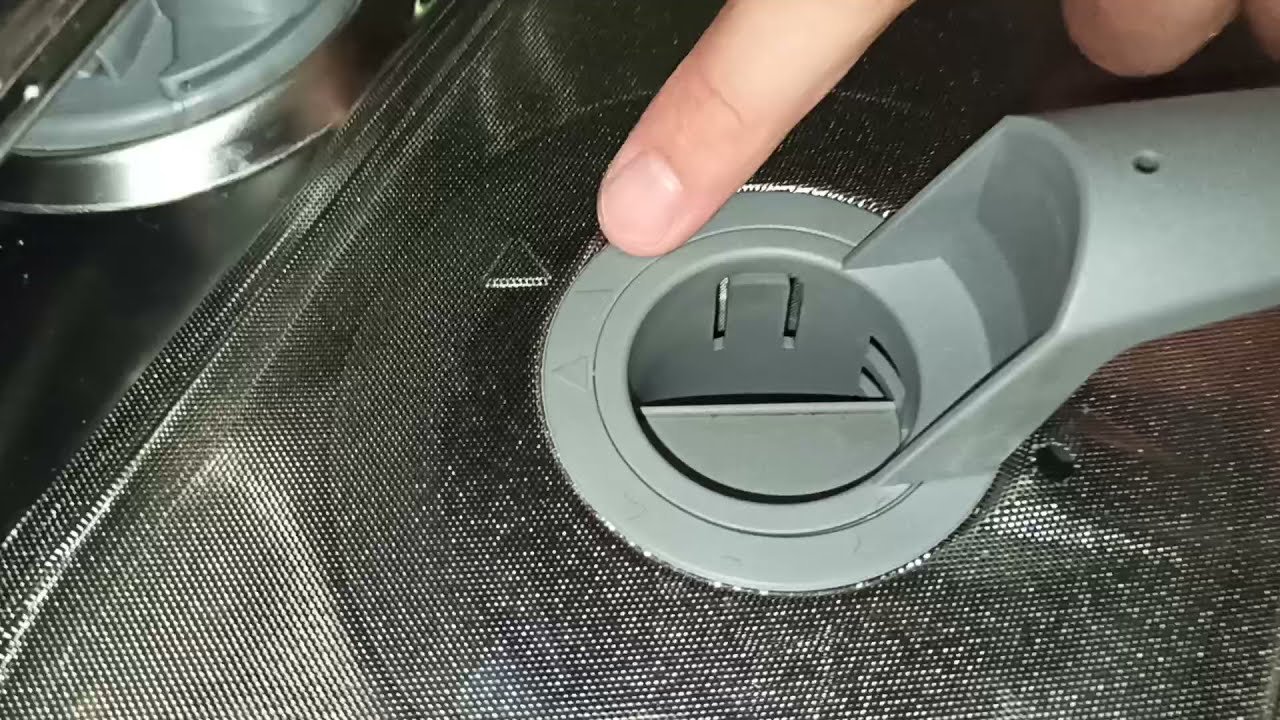
Knowing the parts on an Asko helps. The lower filter, sump area, drain hose and pump are the key spots when you learn how to drain Asko dishwasher.

Source: reddit.com
Step-by-step: how to drain Asko dishwasher
Follow these clear steps. Read all steps first, then act. If you’re unsure at any point, stop and get help.
-
Cut power and water
-
Turn the dishwasher off at the control panel.
-
Flip the circuit breaker for the dishwasher.
-
Shut the water supply valve under the sink.
-
Prepare your workspace
-
Slide towels on the floor and place a shallow pan near the toe-kick.
-
Remove the lower rack to expose the sump and filter area.
-
Remove the filter and check the sump
-
Twist and lift out the lower filter assembly.
-
Use a flashlight to inspect for debris and visible standing water.
-
Scoop out large debris by hand.
-
Hand-siphon or scoop standing water
-
Use a cup or bowl to remove most of the water into the pan.
-
For faster removal, use a wet/dry vacuum on the lowest setting to suck water from the sump.
-
If you prefer, loop a hose into a bucket and create a siphon to drain water away.
-
Check and clear the drain hose
-
Locate the drain hose where it connects to the pump or disposal.
-
Disconnect the hose clamp and inspect for kinks or blockage.
-
Feed a flexible brush or run clean water through the hose to clear it.
-
Reassemble and test
-
Reattach the drain hose and secure clamps.
-
Replace the filter and lower rack.
-
Restore power and run a short drain-only or rinse cycle to confirm proper draining.
Practically, I often found that simple siphoning and clearing the hose fixed most issues. Learning how to drain Asko dishwasher well prevents needless part swaps.

Quick PAA-style questions
How long does it take to drain an Asko dishwasher?
Most manual drains take 10–20 minutes depending on the volume of water and method used.
Can I use a shop vac to drain the dishwasher?
Yes, a wet/dry vacuum speeds up water removal. Use a filter and empty it afterward.
Will draining fix a dishwasher that won’t start?
Draining removes standing water but won’t fix electrical or controller problems; it helps diagnose the issue.
Common drainage problems and fixes
Clogs in the filter or drain hose are the top causes of standing water. Remove food, glass, and debris from the filter regularly. Faulty drain pumps can fail; listen for humming or grinding during drain cycles. If the pump is noisy or doesn’t run, the pump or motor assembly may need replacement. When you understand how to drain Asko dishwasher and inspect parts, you can tell if the issue is simple or needs a technician.

Maintenance to prevent future drainage issues
Routine care keeps your Asko draining well. Follow these simple habits:
- Clean the filter after heavy loads.
- Rinse plates before loading to reduce solids.
- Check the drain hose annually for kinks.
- Run a maintenance cycle with dishwasher cleaner every month.
These steps reduce the need to forcefully drain and lower the chance of clogs. Learning how to drain Asko dishwasher also helps you notice symptoms early.

Source: homery.com
When to call a pro
Call a technician if water won't drain after manual removal, if the pump is noisy, or if you find electrical faults. Also call a pro if you detect leaks from under the machine when power is on. Professionals have tools and parts to test pumps, valves, and electronics safely. Knowing how to drain Asko dishwasher lets you give a repair tech clear notes, which speeds up diagnosis and reduces labor time.

Frequently Asked Questions of how to drain asko dishwasher
How do I manually drain an Asko dishwasher?
Turn off power and water, remove the lower rack and filter, then scoop or siphon the water into a pan or bucket.
Can I disconnect the drain hose to drain the dishwasher?
Yes, you can disconnect the drain hose at the pump or sink connection but expect water to spill; have towels and a pan ready.
Is it safe to use a wet/dry vacuum inside the dishwasher?
Yes, a wet/dry vacuum is safe for removing water from the sump if you use a proper tank and floor nozzle.
Why is there still water after I drained the dishwasher?
Leftover water may hide in bends, or a faulty drain pump may not expel all water; check hoses and the pump for failure.
How often should I clean the Asko drain filter?
Clean the filter every 1–2 weeks if you run many cycles, or at least monthly for average use to prevent clogs.
Conclusion
Draining an Asko dishwasher is a practical skill you can learn in under an hour. Cut power and water first, remove the filter, scoop or siphon water, clear the drain hose, and test the drain cycle. Regular maintenance prevents most drainage problems and saves time and money. Try these steps next time your Asko holds water, and share your results or questions below to keep improving your skills.