
Drying eggshells in the oven is the fastest way to turn kitchen waste into useful material for your garden, crafts, compost, or homemade calcium powder. This tested recipe uses low heat to remove moisture and reduce microbes while keeping shells brittle enough to crush. Follow these clear, safety-focused steps for consistent results and no lingering smells.
Why dry eggshells in the oven?
Oven drying is quick, predictable, and reduces the risk of mold. Compared with air drying or sun-drying, a low-temperature oven gives reliable results in minutes rather than days. Oven-dried eggshells crush easily for garden lime, pest barriers, compost amendments, mosaic crafts, or (after careful processing and vet guidance) calcium supplements.
Materials and safety (what you’ll need)
- Fresh eggshells from eggs you use at home
- Rimmed baking tray or sheet pan
- Parchment paper or silicone baking mat
- Small bowl or paper towel for rinsing
- Oven thermometer (optional but recommended)
Safety tips - Wash hands and surfaces after handling raw shells to prevent cross-contamination.
- Use low heat (175–200°F / 80–95°C) to avoid scorching or unpleasant odors.
- Arrange shells in a single layer—do not stack.
- If you plan to use shells for animal or human consumption, consult a veterinarian or medical professional for safety and dosage.
Step-by-step: How to dry eggshells in the oven
- Rinse and remove membranes
- Rinse shells briefly under cool running water to remove egg white and yolk.
- Peel away the thin inner membrane where possible; this speeds drying and reduces risk of trapped moisture.
- Air-dry briefly
- Place shells on a rack or paper towel for 10–30 minutes to let surface moisture evaporate. This reduces oven steaming time.
- Preheat the oven
- Preheat to 175–200°F (80–95°C). If your oven runs hot, use an oven thermometer and aim closer to 175°F.
- Arrange on the tray
- Line the tray with parchment or a silicone mat.
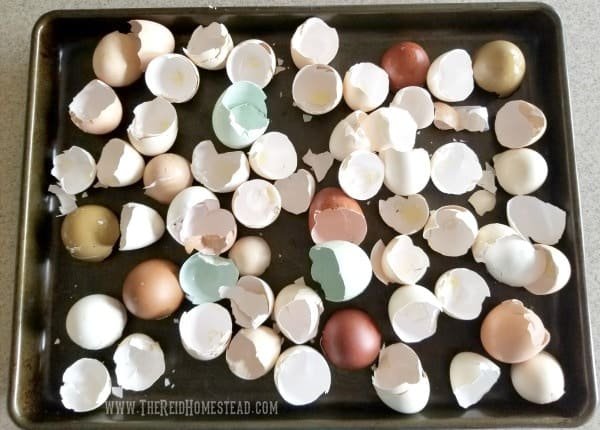
- Place shells in a single layer, spaced out. You can place halves with the inside up or down—just avoid overlap.
- Bake and monitor
- Bake for 10–20 minutes. Check at 10 minutes and again at 15.
- Shells are done when they are completely dry, brittle, and show no visible moisture.
- If you see browning or smell burning, remove immediately and lower the temperature next time.
- Cool and store
- Let shells cool completely on the tray or a plate.
- Crush or grind as needed, then store whole or powdered in an airtight jar with date and intended use.
Tips, common mistakes, and troubleshooting
- Don’t use too high heat: temperatures over 200°F risk browning and odor.
- Remove as much of the inner membrane as you can; the membrane traps moisture and slows drying.
- Avoid overcrowding: crowded shells dry unevenly.
- If shells are still damp after 20 minutes, spread them out and add 5–10 minutes.
- Bitter or burnt smells mean you’ve overheated—discard that batch and lower temperature next time.
How to grind and store oven-dried eggshells
- For coarse grit (garden applications): crush cooled shells in a resealable bag with a rolling pin.
- For fine powder (calcium supplement or garden lime): grind in a clean coffee grinder, spice grinder, or mortar & pestle until a fine powder forms.
- Store in an airtight container in a cool, dry place. Label with the preparation date and intended use.
Uses and benefits of oven-dried eggshells
- Garden calcium: Crushed shells add calcium carbonate to soil and slowly release minerals.
- Pest deterrent: Coarse shell scraps may deter slugs and snails when sprinkled around plants.
- Compost booster: Ground shells add trace minerals that break down slowly in compost piles.
- Crafts: Use whole or crushed shells for mosaics, ornaments, or art.
- Calcium source: Properly processed eggshell powder can be a calcium supplement—check dosage and safety with an expert before feeding to pets or people.
FAQs
Q: How long should I bake eggshells in the oven?
A: Bake at 175–200°F (80–95°C) for 10–20 minutes. Check at 10 minutes and extend if necessary.
Q: Do I need to remove the membrane before drying?
A: Yes—peeling away the inner membrane helps shells dry faster and reduces mold risk.
Q: Can I smell raw egg while baking shells?
A: A mild odor can occur early on; if you smell burning or strong sulfur, stop and lower the temperature.
Q: Are oven-dried eggshells safe for garden use?
A: Yes. Oven drying reduces pathogens and makes shells easier to crush for soil or compost.
Q: Can I grind dried eggshells into powder for pets?
A: Many people do, but always consult a veterinarian for safety and correct dosage.