
Freezing tomato paste is one of the easiest kitchen life-hacks: it prevents waste, speeds up meal prep, and keeps your sauces tasting fresh. Whether you open a can and only need a tablespoon or you buy paste in bulk, freezing in measured portions gives you grab-and-go convenience without sacrificing flavor. Below are proven methods, step-by-step instructions, safety notes, and cooking ideas so you always know how to store tomato paste in freezer the right way.
Why freeze tomato paste?
- Reduce waste: Most cans and tubes contain more paste than a single recipe needs.
- Save time: Pre-measured portions mean no measuring or messy spoons during busy cooking.
- Maintain flavor: Properly sealed paste retains acidity and flavor; color may darken slightly but taste stays strong.
- Economical: Buy larger containers or use leftover paste without spoilage.
Best ways to freeze tomato paste (choose what fits your kitchen)
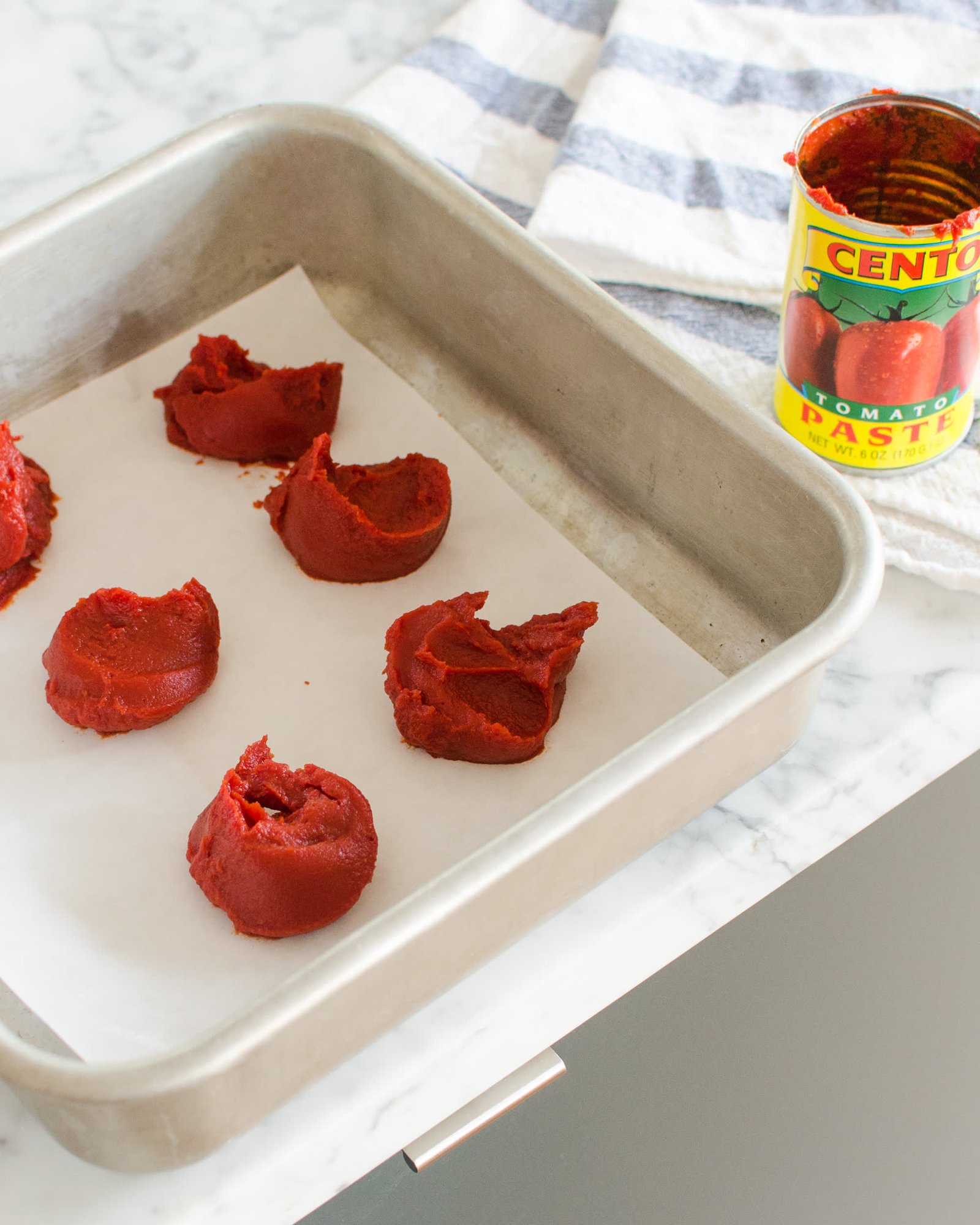
- Ice cube trays: Spoon 1 teaspoon or 1 tablespoon portions into clean trays, freeze, then transfer cubes into a freezer bag. Ideal for small, single-use portions.
- Small silicone molds: Produce neat, uniform shapes that pop out easily — great for presentation and portion control.
- Freezer-safe resealable bags (flattened): Spread a thin layer, freeze flat, then snap off pieces as needed or cut into sections.
- Small rigid containers: Use for larger amounts (1/4 cup or 1/3 cup). Leave ~1/2 inch headspace to allow for expansion.
- Piping or zipper bag method: Fill a piping bag or zip-top bag, snip a corner, pipe blobs onto a tray, freeze, then store bagged.
Step-by-step: freeze tomato paste like a pro
- Decide portion size: Common choices are 1 teaspoon (seasoning), 1 tablespoon (single sauce), or 1/4 cup (family meal).
- Use clean tools and containers: Sanitation slows spoilage and preserves taste.
- Fill trays or molds and level the top.
- Freeze until fully solid (2–4 hours).
- Transfer frozen pieces to labeled, airtight freezer bags or containers. Remove as much air as possible and date each package.
- Store flat to save space and speed thawing.
Containers, labeling, and portioning tips
- Use BPA-free silicone, rigid freezer-safe containers, or thick freezer bags to prevent rips and freezer burn.
- Clearly label each package with date and portion size (e.g., “Tomato paste — 1 Tbsp — 2026-07-29”).
- If using bags, press out air and freeze flat for space efficiency and faster thaw.
- Leave a bit of headspace in rigid containers to accommodate expansion.
Shelf life and safety
- Best quality: 3–4 months for optimal flavor and color.
- Still usable: 6–12 months; expect gradual color/taste changes.
- Safety: Tomatoes are acidic, which helps limit bacterial growth, but always use clean tools and airtight packaging. Maintain a consistent freezer temperature (0°F / -18°C).
Thawing and using frozen tomato paste
- Use from frozen: Drop a cube into a hot pan — it melts and incorporates quickly. This is the fastest and least fussy method.
- Refrigerator thaw: Move portion(s) to the fridge for a few hours or overnight for gentle thawing.
- Cold-water thaw: Keep paste in a sealed bag and submerge in cold water for 10–15 minutes; avoid hot water which can change texture.
- No measuring needed if you pre-portioned — simply add the exact amount straight to sauces, soups, marinades, or dressings.
Common mistakes and how to avoid them
- Not portioning first: Freezing whole cans is messy and wasteful. Portion before freezing.
- Skipping labels: You may forget what’s what — always date packages.
- Thin, flimsy bags: Use sturdy freezer bags to prevent tears and freezer burn.
- Overfilling containers: Leave some space for expansion to avoid cracked containers.
Cooking uses and quick recipe ideas
- Sauces & gravies: Add a tablespoon per 2–3 servings for depth of flavor.
- Soups & stews: Toss in a cube while simmering for an instant flavor boost.
- Quick pasta: Sauté garlic, add a paste cube, deglaze with wine or water.
- Marinades & dressings: Melt a small portion and whisk with oil, vinegar, and herbs.
FAQS
Q: Is it safe to freeze tomato paste?
A: Yes. Freezing is safe and prevents bacterial growth when you use clean utensils and airtight packaging.
Q: How long will tomato paste keep in the freezer?
A: For best flavor use within 3–4 months; it remains usable up to 6–12 months but may lose color and intensity.
Q: Can you refreeze thawed tomato paste?
A: It’s best not to refreeze paste that has fully thawed. If only partially thawed and kept cold, refreezing can be done but may affect texture.
Q: Will freezing change the taste?
A: The paste may darken slightly but will retain a strong tomato flavor when sealed well and used within recommended timeframes.
Conclusion
Freezing tomato paste is a small habit that saves time, reduces waste, and keeps your cooking efficient. Pick your preferred method (ice cube trays are my go-to), portion and label carefully, and aim to use within 3–4 months for best flavor. Try freezing a few batches this week — you’ll shave minutes off meal prep and always have the right amount on hand.