
Clean your Asko dishwasher by removing debris, washing filters, cleaning spray arms, and running a descaler cycle.
I have cleaned dozens of dishwashers and helped homeowners keep Asko machines running like new. This guide explains how to clean Asko dishwasher models step by step. You will get simple tools, safe methods, and pro tips that match manufacturer care. Read on to learn practical cleaning routines, deep-clean methods, and troubleshooting advice.

Why cleaning your Asko dishwasher matters
A clean dishwasher washes better, smells fresh, and lasts longer. Regular care prevents clogs, hard-water buildup, and bad odors. Knowing how to clean Asko dishwasher helps avoid costly repairs and keeps dishes spotless. I will show easy steps anyone can use.
Tools and supplies you need
- A soft cloth or microfiber towel for surfaces.
- A soft brush or old toothbrush for crevices.
- A toothpick or small brush to clear spray holes.
- Mild dish soap or non-abrasive cleaner.
- Citric acid powder or a manufacturer-approved dishwasher descaler.
- White vinegar optional, but check manual first.
- Gloves to protect your skin.
Keep tools simple and non-abrasive. These items make how to clean Asko dishwasher fast and safe.

Quick daily and weekly routines
- Daily: Scrape large food bits into the trash before loading. This reduces debris in the filter.
- Weekly: Wipe the door edges and gasket with a damp cloth. This prevents mold.
- Weekly: Check and rinse the filter under hot water. Clean it if you see grease.
- Monthly: Run a hot empty cycle with a dishwasher cleaner or citric acid to remove scale and smells.
Small habits make how to clean Asko dishwasher simple and effective.

Deep clean: step-by-step guide
Follow these steps every 3 months or when performance drops.
- Prepare the machine
– Turn off power if you prefer extra safety.
- Remove racks and utensil baskets.
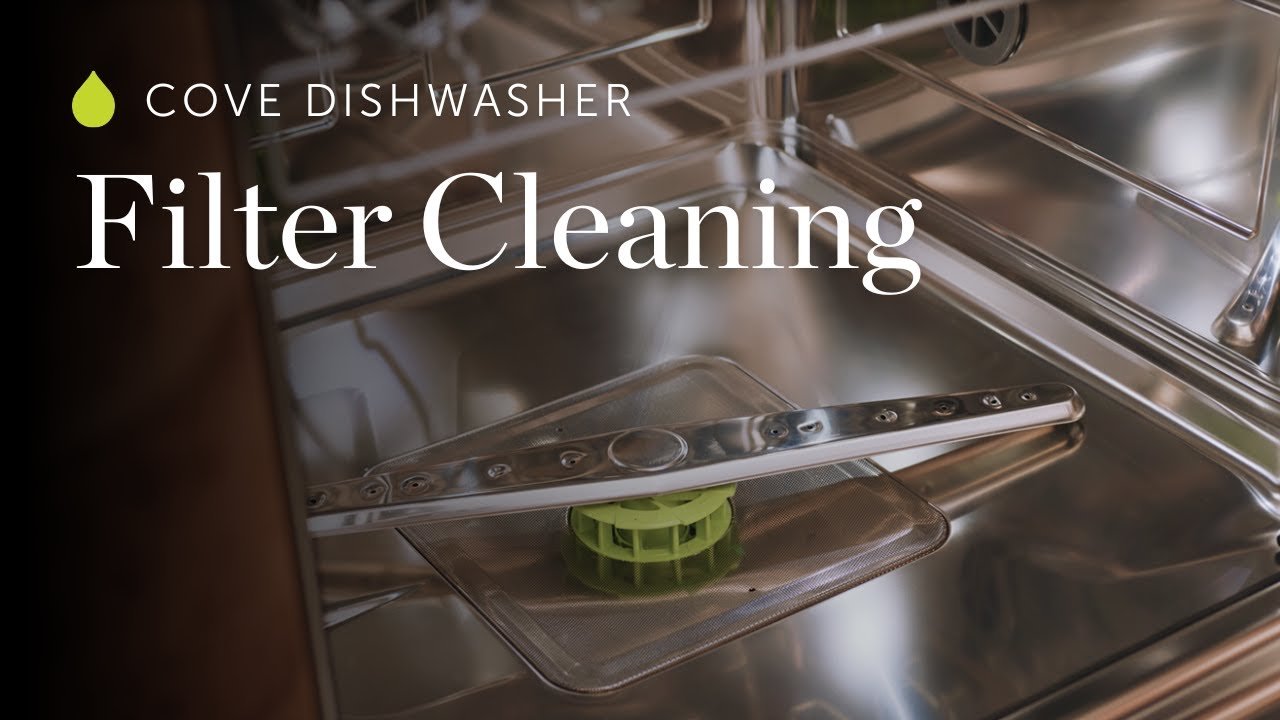
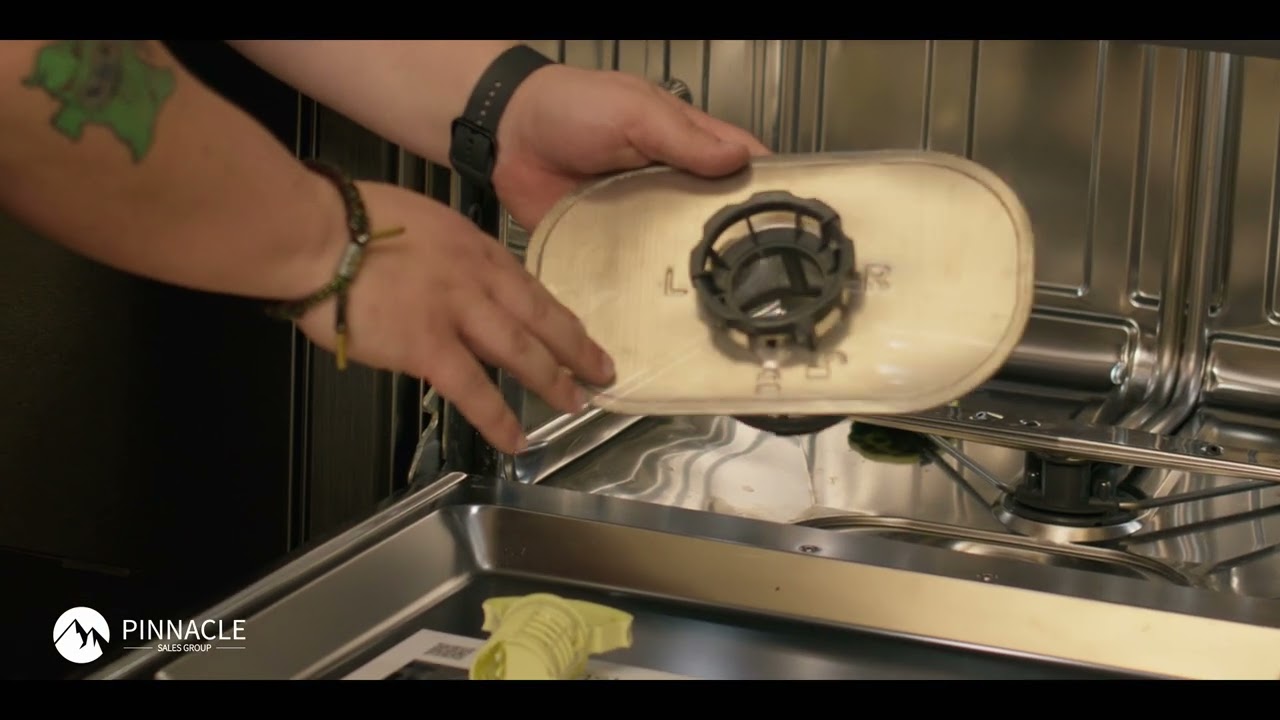
- Remove and clean the filter
- Pull out the lower rack to access the filter area.
- Twist or lift the filter assembly and remove it.
- Rinse the filter under hot water. Use a soft brush for trapped debris.
- Reassemble the filter tightly to prevent leaks.
- Clean spray arms
- Remove spray arms if your model allows. Check the manual for model-specific clips.
- Rinse spray arms under hot water.
- Use a toothpick to clear each spray hole.
- Reinstall and test rotation by hand.
- Clean the door, gasket, and seals
- Wipe the rubber gasket and door edges with warm, soapy water.
- Inspect for food and soap scum. Remove gently.
- Clean the detergent dispenser and rinse aid area
- Open and wipe the dispenser cavity.
- Remove buildup that may block the latch.
- Descale the interior
- Use a citric acid descaler or a manufacturer-approved cleaner.
- Place the cleaner in the bottom of the empty dishwasher.
- Run the hottest normal cycle.
- Avoid using straight white vinegar regularly, unless the manual permits it.
- Finish and test
- Reinstall racks and filters.
- Run a short hot cycle to rinse the machine.
- Check for leaks and unusual sounds.
These steps explain how to clean Asko dishwasher thoroughly and safely.

Best products and what to avoid
- Use citric acid or an Asko-approved descaler for limescale. This works well on hard water.
- Choose mild, non-abrasive cleaners for interiors and gaskets.
- Avoid harsh bleach or oven cleaners inside the tub.
- Avoid pouring strong acids or household cleaners directly into the machine.
These choices help you clean without damaging parts and make how to clean Asko dishwasher safe.

Personal tips and lessons learned
I once cleaned an Asko where grease blocked the spray arm holes. After removing the filter and soaking the arms, the machine ran like new. My tips:
- Always check the manual for your model. It lists removable parts and care instructions.
- Clean the filter more often if you cook greasy foods.
- If you skip filter cleaning, you will see spots and longer dry times.
These real-world tips show why consistent care matters when you learn how to clean Asko dishwasher.

Maintenance tips to prevent buildup and odors
- Rinse big food scraps before loading dishes.
- Run the garbage disposal before starting the washer, if connected.
- Use the correct detergent and measure it to the load size.
- Leave the door ajar after cycles to dry the interior.
- Use rinse aid to help drying and reduce spots.
Routine steps cut down on deep cleaning and keep how to clean Asko dishwasher quick.

Common problems and quick fixes
- Weak spray: Clean spray arm holes and check rotation. If still weak, inspect the water inlet valve.
- Bad odor: Clean the filter and run a descaler cycle. Wipe the gasket and detergent area.
- Clogged drain: Remove debris from the bottom and ensure the drain hose isn’t kinked.
- Spots or film: Use less detergent if you have soft water, or use a rinse aid if you have hard water.
These fixes help when you need to act fast while learning how to clean Asko dishwasher.

When to call a professional
If you find standing water after cleaning, hear grinding noises, or get persistent fault codes, call a certified Asko service technician. Electrical or pump issues need trained repair. Routine cleaning prevents most problems, but some repairs require parts and tools beyond home care.
Frequently Asked Questions of how to clean asko dishwasher
How often should I deep clean my Asko dishwasher?
Deep clean every 2 to 3 months, or monthly if you have hard water or heavy use. Regular quick checks weekly keep the machine running well.
Can I use white vinegar to descale an Asko dishwasher?
Check your manual first. Some models accept vinegar occasionally, but citric acid or an approved descaler is usually safer for seals and coatings.
How do I remove and clean the Asko filter?
Pull out the lower rack, twist and lift the filter assembly, rinse under hot water, and scrub with a soft brush. Reinstall it tightly to avoid leaks.
Why does my Asko dishwasher smell after a cycle?
Smells usually come from trapped food in the filter, gaskets, or spray arms. Cleaning those parts and running a hot descaler cycle removes odor sources.
Is it safe to use a dishwasher cleaner in every wash?
No. Use a cleaner monthly or per manufacturer guidance. Overuse can wear seals or leave residues.
What water temperature is best when cleaning?
Run the hottest cycle available for cleaning runs. Hot water helps dissolve grease and descaler product.
Conclusion
Cleaning your Asko dishwasher is simple when you follow clear steps. Keep a short weekly routine, deep clean key parts every few months, and use a safe descaler as needed. These actions boost performance, reduce odors, and extend machine life. Start with the filter and spray arms today, and make cleaning a habit. If this guide helped, try a cleaning cycle this week and share your results or questions below.