
Connect the water line, drain hose, and power, level the unit, then test for leaks and run a cycle.
I’ve installed and serviced Bosch dishwashers for years, so I’ll guide you through how to connect Bosch dishwasher models safely and confidently. This clear, step-by-step guide covers tools, plumbing and electrical basics, common mistakes, troubleshooting, and real-world tips I learned on the job. Read on to get your Bosch running fast and leak-free.
Tools and parts you’ll need to connect Bosch dishwasher
Before you start, gather all parts and tools. Having everything ready saves time and keeps the job smooth.
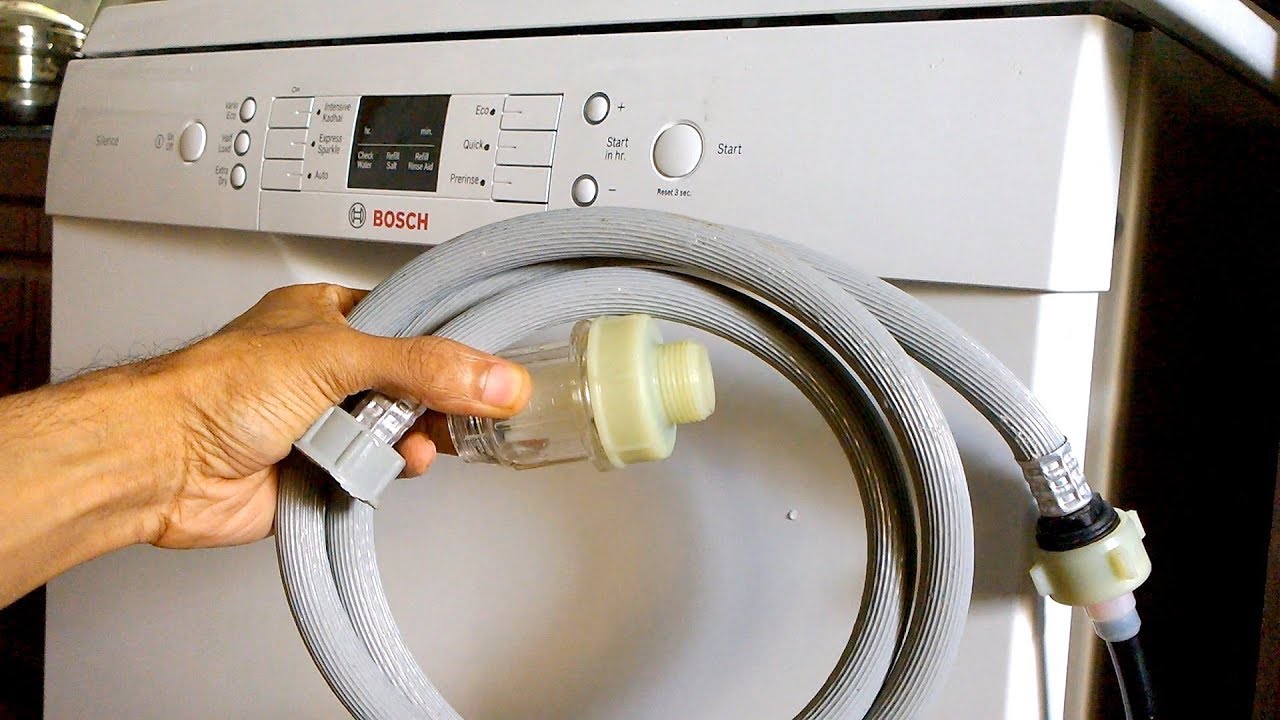
- 3/8-inch compression or braided stainless steel water supply line rated for appliances
- Drain hose (usually supplied with the dishwasher)
- Power supply cable or junction box parts per your model
- Adjustable wrench and pliers
- Screwdrivers (Phillips and flat)
- Level and tape measure
- Teflon tape and plumber’s putty or sealant
- Hose clamp and zip ties
- Safety gear: gloves and safety glasses
Safety and preparation when you connect Bosch dishwasher
Safety first. Turn off water and power to avoid shocks and floods.
- Shut off the home water supply or the dishwasher shutoff valve.
- Turn off power at the circuit breaker for the dishwasher circuit.
- Read the Bosch installation manual for your model for model-specific details.
- Check local codes for electrical and plumbing requirements before you connect Bosch dishwasher.

Step-by-step: how to connect Bosch dishwasher
Follow these steps to install and connect a Bosch dishwasher. Read each step fully before acting.
- Unpack and inspect the dishwasher
- Remove packing material and check for dents or damage.
- Confirm included parts: brackets, hoses, and manuals.
- Prepare the cabinet opening
- Ensure the opening is level and the dimensions match the manual.
- Remove toe-kick or cabinet base trim if needed.
- Connect the water supply
- Use a 3/8-inch compression fitting or a braided stainless-steel hose.
- Wrap threads with Teflon tape if required. Tighten hand tight, then a quarter turn with a wrench.
- Turn the water on slowly and check for leaks before final positioning.
- Attach the drain hose
- Connect the drain hose to the dishwasher drain outlet.
- Route the hose up to an air gap or high loop, then to the sink drain or garbage disposal.
- Secure with a clamp. A high loop or air gap prevents backflow.
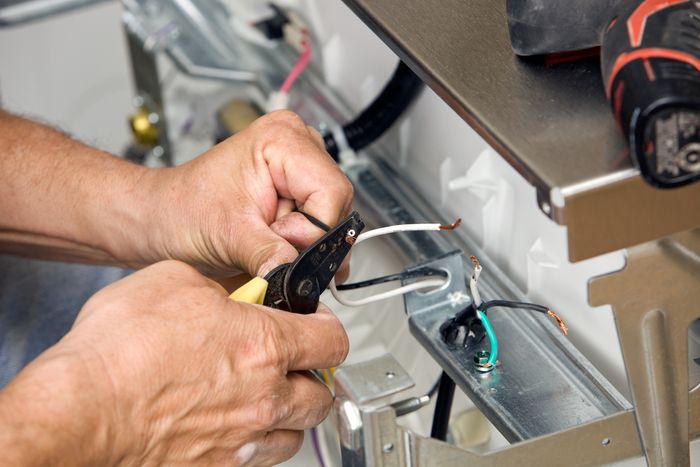
- Make electrical connections
– Confirm your model uses hard-wired or plug-in power.
- For hard-wired models, feed the house cable into the junction box and secure grounds.
- Match wire colors: black to hot, white to neutral, green/bare to ground.
- Tighten connections and close the junction box.
- Slide dishwasher into place and level it
- Gently push the dishwasher into the cabinet opening.
- Adjust the feet so the unit is level front to back and side to side.
- Secure mounting brackets to the countertop or cabinet per manual.
- Final checks and test run
- Turn on water supply and restore power at the breaker.
- Run a short cycle and watch for leaks around connections.
- Check door alignment and ensure the unit drains properly.

Electrical and plumbing details you must know when you connect Bosch dishwasher
Know the details to avoid code issues and damage.
- Power requirements: Most Bosch dishwashers need a 120V, 15–20A dedicated circuit. Confirm on the model label.
- Grounding: Always ground the dishwasher. A missing ground can void warranties and risk shocks.
- High loop vs air gap: Use an air gap where local code requires it. A high loop is often acceptable and helps prevent backflow.
- Water pressure: Bosch recommends 20–120 psi. Very low pressure can affect cleaning. Very high pressure can stress hoses.
- Shutoff valve: Install an accessible shutoff valve near the dishwasher for maintenance and emergency shutoff.

Common problems and troubleshooting when you connect Bosch dishwasher
I’ve fixed many installs with simple fixes. These tips help if you run into issues.
- Leak at water connection
- Check that the compression nut is tight and the ferrule is seated. Replace damaged nuts or ferrules.
- Dishwasher won’t start
- Verify the breaker, the door latch, and the power connections. Confirm the unit is not in demo or delay mode.
- Poor drain or standing water
- Ensure the drain hose has a high loop or air gap and the garbage disposal knockout is clear.
- Noisy dishwasher after install
- Check that the unit is level and not touching cabinets. Re-route hoses away from hard surfaces.
- Error codes on display
- Refer to the model manual. Most Bosch codes indicate issues like water supply, drainage, or blockage.

Maintenance tips after you connect Bosch dishwasher
Routine care keeps your dishwasher running and extends life.
- Run a cleaning cycle monthly with a dishwasher cleaner to remove limescale and grease.
- Inspect hoses annually for cracks or bulges and replace every 5 years.
- Clean the filter and spray arms regularly for best wash performance.
- Avoid overfilling detergent and use Bosch-recommended detergent types for best results.
- Tighten visible connections after the first week of use; small shifts can loosen fittings.
My experience and mistakes to avoid when you connect Bosch dishwasher
Here are honest lessons from working on many installs.
- Don’t rush the water connection. A small leak can damage cabinets fast.
- Verify electrical method before buying cables. I once bought a cord for a model that required hard-wiring.
- Test before final mounting. I used to secure brackets too soon and then had to pull the unit out to fix a kinked hose.
- Use braided stainless hoses. They are easier to route and far more durable than cheap rubber hoses.
- Keep the manual and parts list in a drawer. I’ve returned to them many times to identify spare parts quickly.

PAA-style questions (People Also Ask)
What tools do I need to connect a Bosch dishwasher?
- Basic tools include an adjustable wrench, pliers, screwdriver, level, and a 3/8-inch water supply line. Bring a hose clamp and Teflon tape too.
Do I need an electrician to connect a Bosch dishwasher?
- If your unit is hard-wired or you’re not comfortable with wiring, hire a licensed electrician. Plug-in models may be simpler but still need a proper outlet.
How long does it take to install and connect a Bosch dishwasher?
- Typical installs take 1 to 2 hours for a prepared opening. Complex plumbing or electrical work adds time.
Can I use my old dishwasher hoses with a new Bosch dishwasher?
- You can reuse hoses if they are in excellent condition and match fittings, but new braided hoses are safer and recommended.
Is an air gap required for dishwasher drain?
- Local code varies. An air gap is required in some locales; a high loop may suffice in others. Check local codes.

Frequently Asked Questions of how to connect bosch dishwasher
How do I connect the water line to my Bosch dishwasher?
Turn off the water, attach a 3/8-inch supply hose to the dishwasher inlet, and tighten the compression fitting. Turn water on slowly and check for leaks.
Where does the dishwasher drain hose connect?
Route the drain hose to an air gap or use a high loop and connect it to the sink drain or garbage disposal outlet. Secure with a clamp.
Do Bosch dishwashers need a dedicated circuit?
Yes, most Bosch models require a dedicated 120V circuit rated 15–20 amps. Confirm on your model’s label.
How do I ground a Bosch dishwasher?
Attach the ground wire to the green ground screw in the dishwasher junction box and connect to the home grounding conductor. Always follow local codes.
What is the correct height and leveling procedure?
Adjust the leveling feet so the dishwasher is flush and stable within the cabinet. Use a level and secure the mounting brackets per the manual.
How do I test for leaks after installation?
Run a short wash cycle while watching the water and drain connections. Inspect under the sink and around the base for any drips.
Can I install the dishwasher myself?
If you are comfortable with basic plumbing and electrical work, you can DIY. Hire a pro if you face hard-wiring or local permit needs.
What if the dishwasher door won’t close after installation?
Check that the unit is level and the mounting brackets don’t bind the frame. Adjust the feet and recheck the alignment.
How often should I replace hoses and clamps?
Inspect hoses yearly and replace every five years or sooner if damaged. Replace clamps if they show rust or wear.
Why is there a bad smell after installation?
Run a sanitation cycle with detergent and clean the filter. Ensure the drain hose has a proper high loop to prevent backflow.
Conclusion
You now have a clear, practical roadmap for how to connect Bosch dishwasher, from tools and safety to step-by-step plumbing and electrical work. Take your time, follow the Bosch manual, and test everything before finalizing the installation. If you run into wiring or code questions, call a licensed pro to stay safe and compliant. Try the steps this weekend, and leave a comment with your model and any issues—I’ll help troubleshoot.