
Store fresh puffball mushrooms in paper, refrigerate for days or freeze/smoke/dry for long-term storage.
I have spent years foraging and preserving wild mushrooms, and I’ll walk you through exactly how to store puffball mushroom safely and well. This guide explains identification checks, short-term fridge tips, and long-term methods like freezing, drying, and pickling. You will learn simple steps, common mistakes to avoid, and practical tips I use after a long day in the woods. Read on to keep your puffball mushroom fresh, safe, and tasty.
Why proper storage matters for puffball mushrooms
Puffball mushrooms are delicious when fresh, but they spoil fast if stored incorrectly. Proper storage keeps texture, flavor, and safety intact. Learning how to store puffball mushroom helps you avoid wasted harvests and possible food-safety risks.
Puffballs are different from other mushrooms. They can go from perfect to inedible in a day or two. Knowing quick checks and best methods makes a big difference.
How to identify edible puffballs before storing
Only store puffballs that are safe to eat. Always confirm identity before storage.
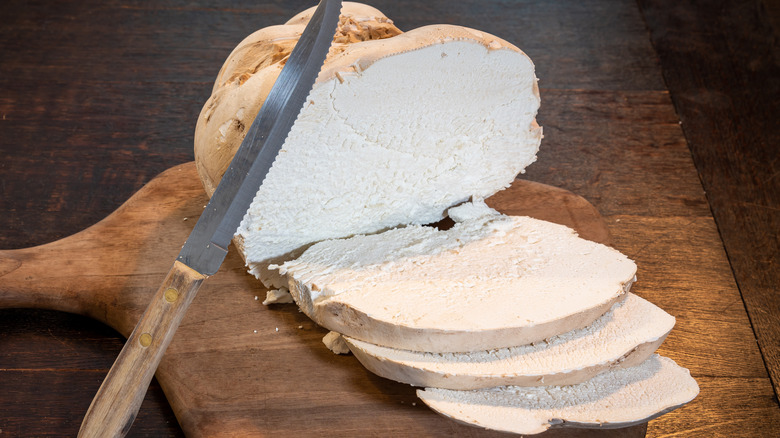
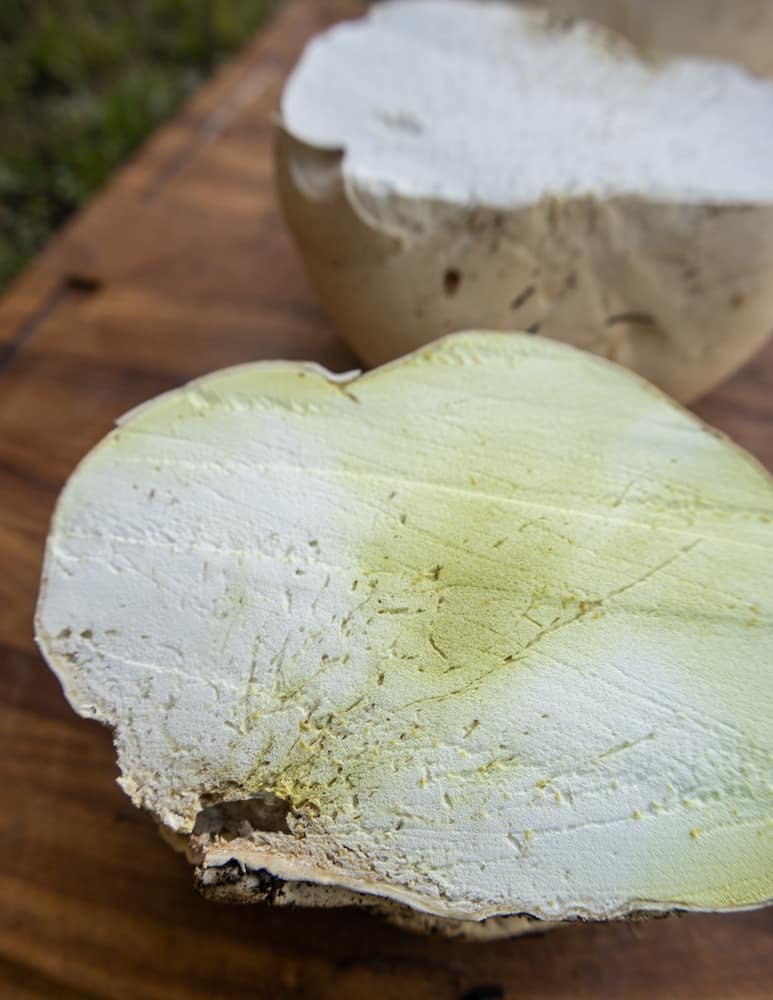
- Look for a solid white interior with no gills or stem pattern. Any yellowing, brown, or spongy center means it is past edible stage.
- Cut the mushroom in half to check the inside. It should be uniformly white and firm.
- Avoid young amanitas and lookalikes by checking for a solid interior. If you see a cap or developing gills, do not store or eat.
If you are unsure about ID, do not store or consume. Safety first.

Preparing puffball mushroom for storage
Clean and prep puffballs gently to avoid water damage. Good prep improves storage life.
- Trim off dirt and the base with a sharp knife. Remove tough or damaged parts.
- Wipe with a damp cloth rather than rinsing to avoid soggy flesh.
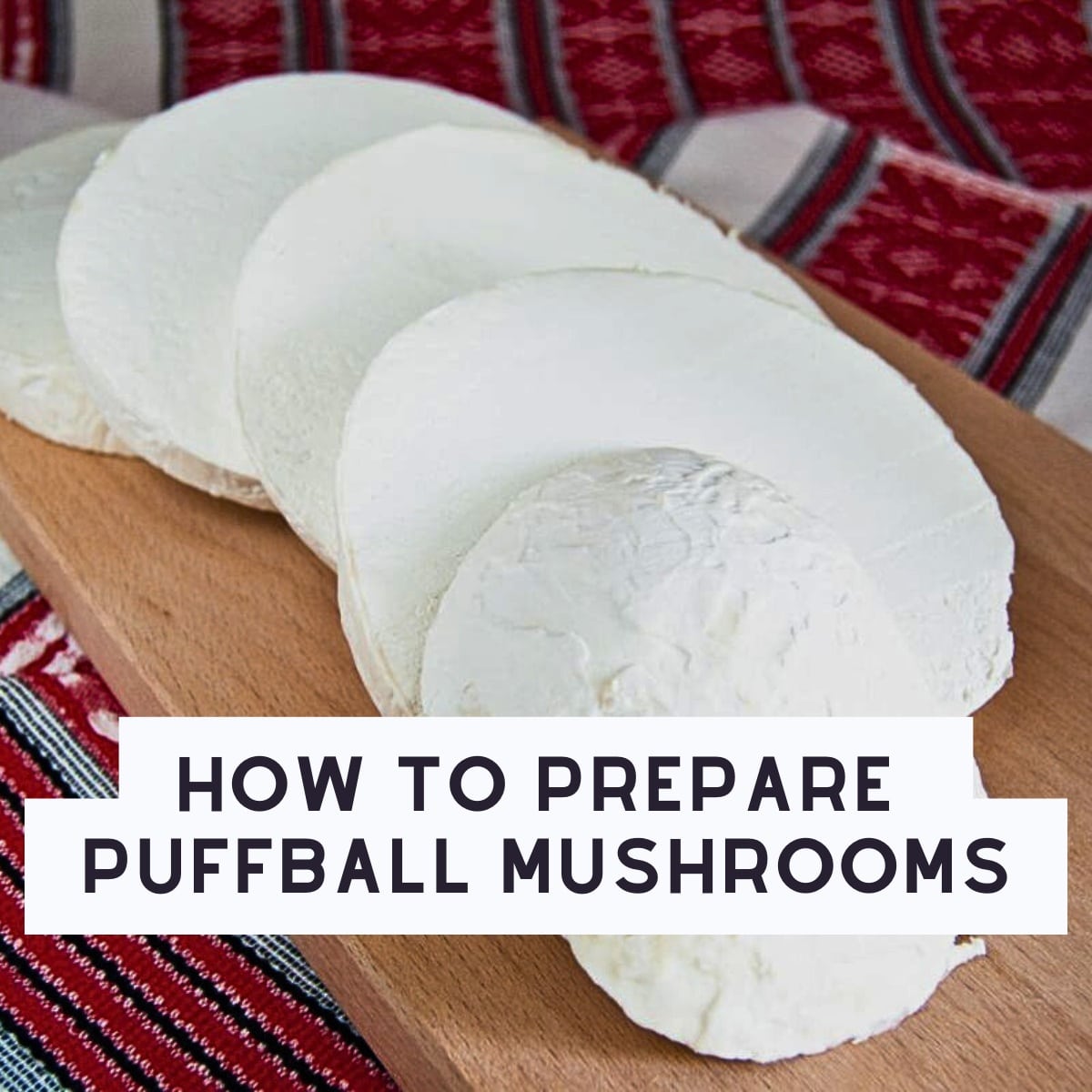
- Slice large puffballs into even pieces for faster drying or freezing. Keep small ones whole if you plan to refrigerate and use within days.
Prep step tip: I always label pieces with date and prep method. It saves time later.
Short-term storage: refrigeration
Refrigeration is the easiest short-term method when you plan to use puffballs within a week.
- Wrap puffball mushroom pieces in paper towels to absorb moisture. Do not use plastic wrap directly.
- Place wrapped pieces in a breathable container or a paper bag. Store in the crisper drawer.
- Check daily and replace paper towel if damp. Use within 3 to 7 days for best texture.
Avoid placing puffballs in sealed plastic bags. Condensation makes them slimy and speeds decay.
Long-term storage: freezing puffball mushrooms
Freezing is one of the best ways to preserve puffballs for months while keeping flavor.
- Blanching method: Slice, blanch in boiling water for 1 to 2 minutes, cool in ice water, pat dry, then freeze on a tray before vacuum sealing or using freezer bags.
- Sauté method: Cook in a little oil or butter until just tender, cool, spread on a tray, then freeze and bag. This keeps texture and flavor better than raw freezing.
- Label with date. Frozen puffball mushroom lasts 6 to 12 months when sealed well.
Personal note: I prefer the sauté-then-freeze method. It saves time during meal prep and gives a better texture after thawing.
Drying and storing dried puffballs
Drying yields a lightweight, long-lasting product you can rehydrate later for soups and stews.
- Slice puffballs thin for even drying. Use a dehydrator at 120–140°F or an oven on its lowest setting with good airflow.
- Dry until brittle. Store in an airtight jar with a desiccant pack in a cool dark place.
- Properly dried puffball mushroom can last 6 to 12 months or longer if kept dry.
Rehydrate in warm water or broth for 10–20 minutes before cooking.
Pickling and canning puffball mushrooms
Pickling gives a tangy preserved product that keeps in the fridge for months.
- Use a vinegar-based brine and follow tested pickling recipes. Simmer puffball slices in brine before packing into jars.
- For shelf-stable storage, pressure canning is required because mushrooms are low-acid. Follow tested pressure-canning guidelines closely.
- Label with date and use refrigerated pickles within several months for best quality.
Safety warning: If you are not experienced with pressure canning, stick to freezing or drying. Improper canning can be unsafe.
Common mistakes and how to avoid them
Avoid these errors to make sure your puffball mushroom stays good.
- Storing wet or in sealed plastic causes spoilage. Use paper and airflow instead.
- Freezing raw without prep can lead to mushy texture. Blanch or sauté first.
- Ignoring ID checks. Always cut open puffballs to check the center before storing.
- Not labeling storage dates. You may lose track and eat spoiled mushrooms.
From experience: one bad batch taught me to always label and inspect before cooking.

Safety tips and spoilage signs
Food safety is vital with wild mushrooms. Know when to toss them.
- Throw away puffballs with brown or yellow centers, a powdery texture, or a sour smell. These are past the edible stage.
- If mold grows, discard the mushroom and anything it touched.
- When in doubt, do not eat it. Mistakes with wild mushrooms can be severe.
I once found a puffball that looked fine outside but had a brown, dusty center when cut. It went straight to the compost.
Personal experience: lessons learned while storing puffballs
I learned practical tricks after years of foraging and preserving. These tips save time and reduce waste.
- Quick cook then freeze: Sautee small batches, cool them, freeze flat, then bag. Meals come together fast.
- Keep a simple log: Date, method, and location. This helps track what method works best.
- Small changes matter: Dry paper towels, labeled bags, and single-layer freeze trays cut spoilage greatly.
I still make mistakes, but these habits cut losses and preserve good flavor.
How to use stored puffball mushrooms
Stored puffballs are versatile. Use them in simple recipes.
- Sauté frozen puffball mushroom pieces with garlic and herbs for a quick side.
- Rehydrate dried pieces and add to soups, risottos, or stews.
- Use pickled puffballs as a tangy topping on salads and sandwiches.
Try to cook from frozen when possible. It saves texture and time.
Frequently Asked Questions of how to store puffball mushroom
How long can I store puffball mushroom in the fridge?
You can store fresh puffball mushroom in the refrigerator for about 3 to 7 days when wrapped in paper and kept in a breathable container. Check daily and use sooner if moisture appears.
Can I freeze raw puffball mushrooms?
Freezing raw puffball mushroom is possible but not ideal. Blanching or lightly sautéing before freezing preserves texture and flavor better.
How do I know if a puffball is no longer edible?
A puffball is no longer edible if the interior is yellow, brown, or powdery, or if it smells sour. Cut it open to inspect before storing or cooking.
Is drying puffball mushrooms easy at home?
Yes. Slice thin and dry with a dehydrator or low oven until crisp. Store in an airtight jar with a desiccant pack.
Can I can puffball mushrooms safely?
Canning puffball mushroom for shelf storage requires pressure canning and tested recipes. If you lack canning experience, choose freezing or drying instead.
Conclusion
Storing puffball mushroom well means checking identity, prepping gently, and choosing the storage method that fits your timeline. For short-term use, refrigerate wrapped in paper; for long-term use, blanch and freeze or dry slices. Label everything and inspect before cooking to stay safe. Try one method at a time, track results, and soon you will have reliable, tasty puffball preserves. Share your experiences below, subscribe for more foraging tips, or leave a question in the comments.