
Start a cafe dishwasher by checking power, water, detergent, rinse aid, then run a full test cycle.
Starting a cafe dishwasher is practical work and a routine you can master. I’ve run busy coffee shops and trained staff, so I know what works. This guide shows how to start cafe dishwasher safely, quickly, and in compliance with health rules. You’ll get step-by-step setup, checks, troubleshooting tips, and lessons from real shifts. Read on to turn a cold machine into a reliable cleanup engine.
Understanding the role of your cafe dishwasher
A cafe dishwasher does more than clean plates. It speeds service. It protects health. It saves labor and water when used right. Knowing what the machine must do helps you start it correctly each day.
Key functions of a cafe dishwasher:
- Sanitize utensils and dishes to meet health rules.
- Remove food soils and grease efficiently.
- Dry and rinse to prevent spotting and bacteria growth.
- Keep water and chemical use economical.
Why correct startup matters:
- Prevents cross-contamination.
- Reduces repair needs.
- Ensures quick service during rush hours.
How to start cafe dishwasher starts with a checklist and ends with a test run. Follow the process each shift for consistent results.

Equipment, supplies, and layout checklist
Before you start a cafe dishwasher, confirm the environment and supplies are ready. A tidy station reduces errors and speeds cleanup.
Essential equipment and supplies:
- Commercial dishwasher unit (high-temp or low-temp chemical).
- Approved detergent and sanitizer for your machine type.
- Rinse aid for spotting control.
- Proper racks and cutlery holders.
- Water softener if local water is hard.
- Test strips or thermometer to verify sanitizing temp or chemical concentration.
Layout and power checks:
- Confirm electrical circuit and unplug/reconnect points are safe.
- Ensure water supply valve is open and drain lines are clear.
- Place racks in reachable spots to avoid slips and spills.
Practical tip from experience: label detergent bottles and keep a small log of refill dates. This prevents mixing products and keeps your machine in spec.

Step-by-step: how to start cafe dishwasher each shift
Follow these steps to start a cafe dishwasher reliably. I use this routine every morning in cafes I’ve managed.
- Pre-check the area
- Walk the dish area. Remove large trash and blockages.
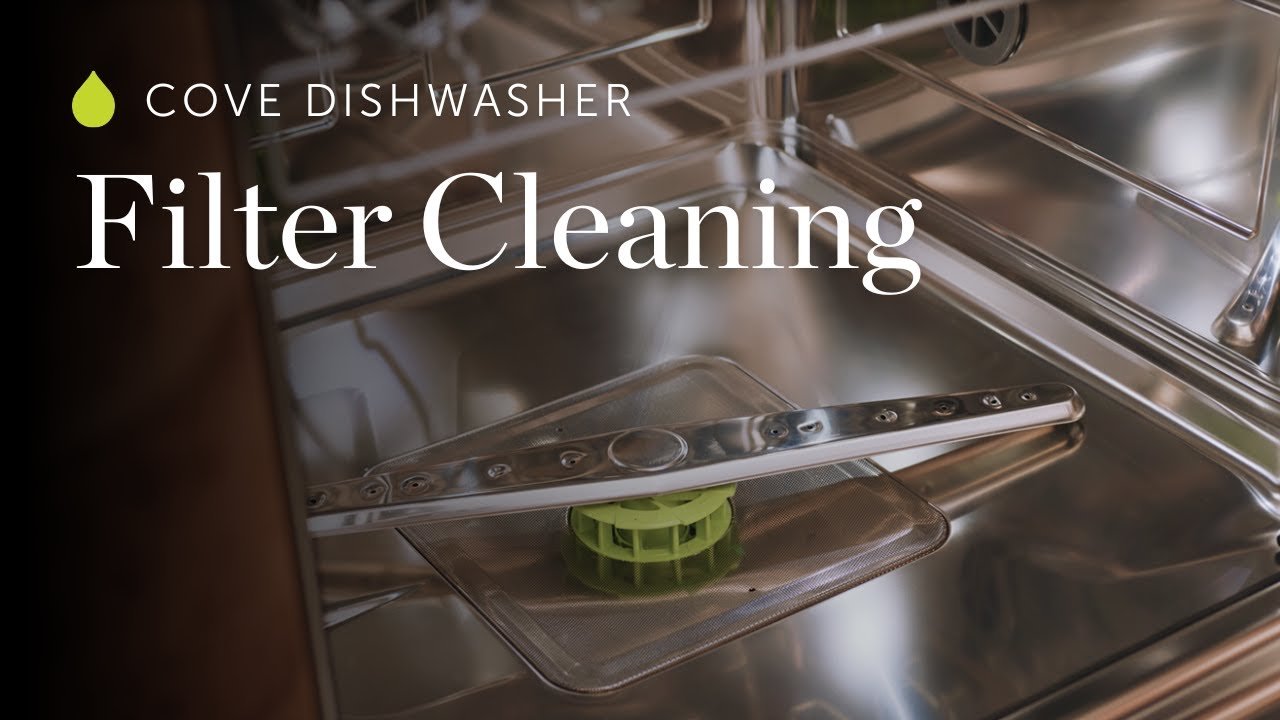
- Clear filters and drains from old food debris.
- Power and water
- Turn on main power to the dishwasher.
- Open the water supply valve and check for leaks.
- Fill and test detergent
- Load the correct detergent and sanitizer in the feed system.
- Verify chemical pumps are primed and set to correct dose.
- Heat the machine
- Start the wash cycle to heat the unit.
- Use a thermometer to confirm wash and rinse temperatures (for high-temp machines).
- Run an empty test cycle
- Run a full empty cycle to confirm spray arms rotate and pumps work.
- Check for leaks, odd noises, or error codes.
- Test sanitation
- Use test strips or sensors to confirm sanitizer levels or rinse temperature.
- Adjust settings if readings are out of range.
- Load first racks
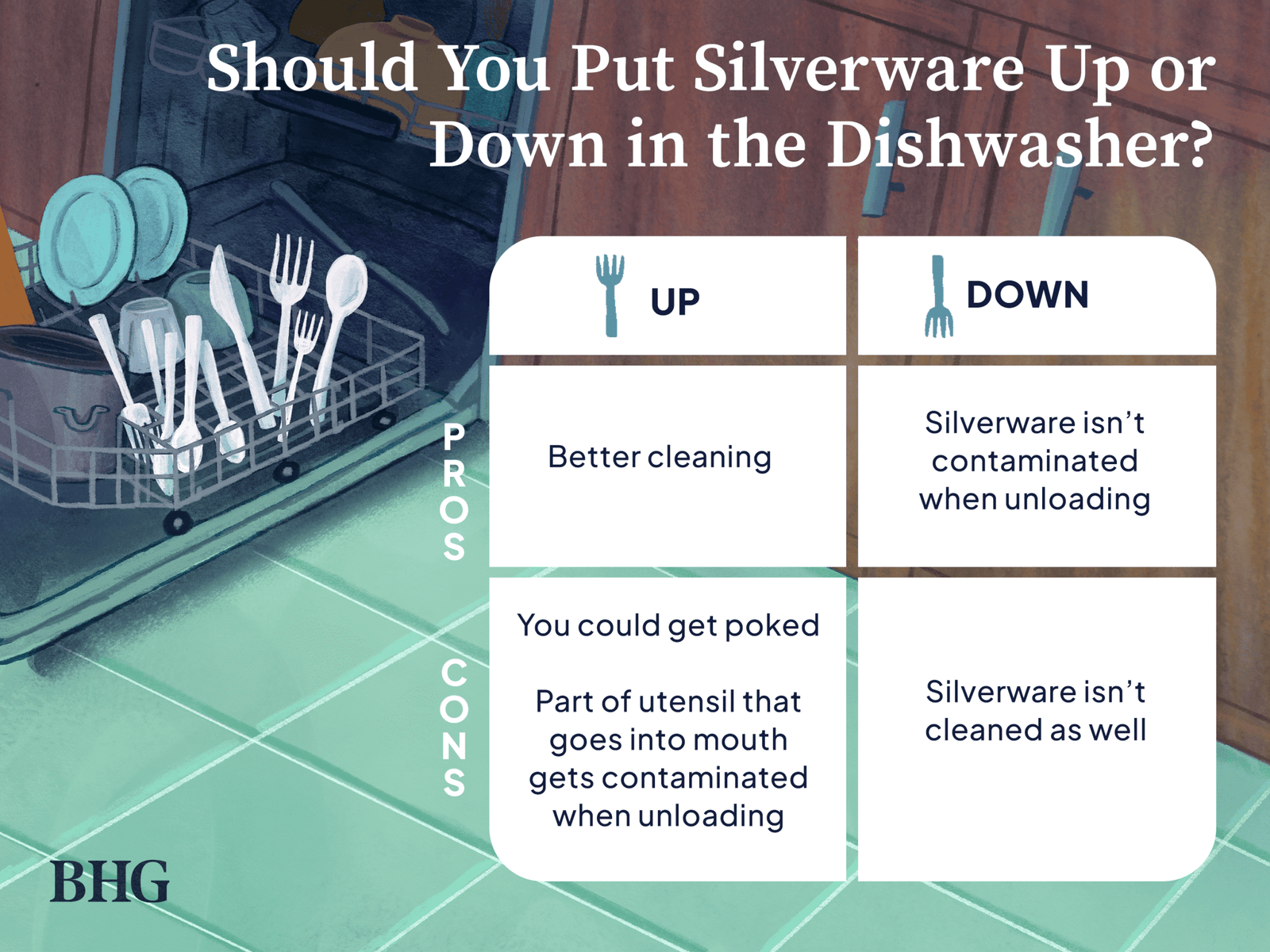
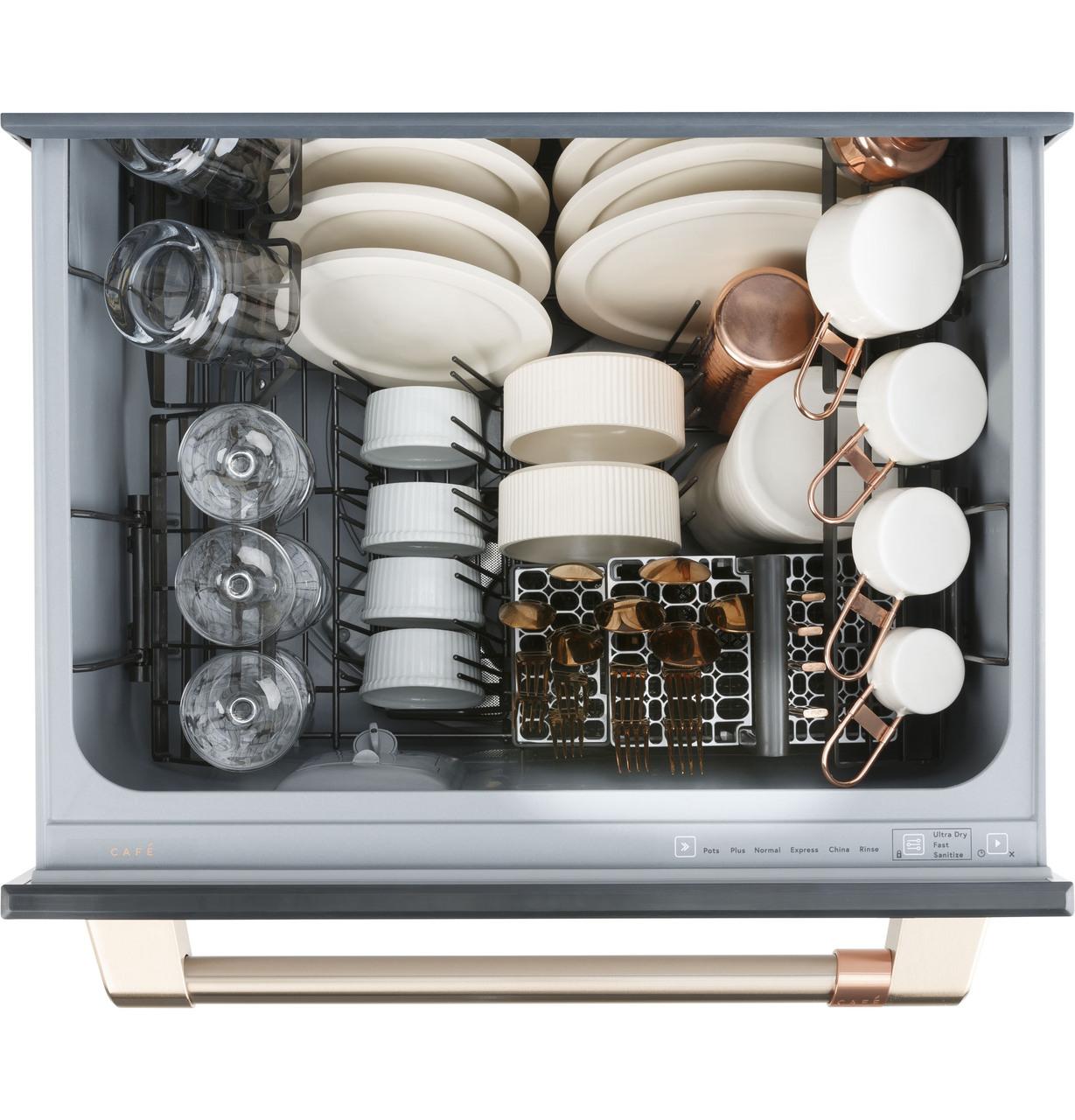
- Load properly to avoid blocked jets and ensure full spray coverage.
- Start washing during a controlled time to verify results.
How to start cafe dishwasher well means doing steps 1–7 every day. It saves time later and keeps plates safe.

Water temperature, chemicals, and wash cycles
Proper temperatures and chemicals are key to safe cleaning. They stop bacteria and ensure dishes look good.
High-temp vs low-temp systems:
- High-temp machines use hot water for sanitizing. Target rinse temperature is usually 180°F (82°C) or as local code requires.
- Low-temp systems rely on chemical sanitizers and operate at lower temperatures.
Chemical handling rules:
- Use only manufacturer-recommended detergents and sanitizers.
- Keep chemicals in labeled containers and store them safely.
- Calibrate dosing pumps and test chemical strength with test strips.
Cycle types and timing:
- Short cycles save time but may need heavier pre-rinse for greasy items.
- Use pre-rinse for heavy soils to reduce detergent load and improve final results.
From my experience, a proper pre-rinse cut down re-washes by nearly half. Small steps like this improve speed and reduce chemical waste.

Safety, staff training, and compliance
How to start cafe dishwasher safely includes training staff. Consistent training keeps everyone safe and food-safe.
Training essentials:
- Teach staff how to operate, load, and unload racks correctly.
- Show proper PPE use, like gloves when handling chemicals.
- Train on emergency shut-off and how to report faults.
Compliance and record keeping:
- Keep a simple log for daily start checks and chemical refill dates.
- Follow local public health rules for sanitization proof.
- Schedule regular service checks with a qualified technician.
I once found a clogged heater element during a routine check. The log made it easy to show a technician the problem and get parts fast. Logs save time and fines.

Common startup problems and troubleshooting
Even well-maintained machines can have issues. Here are quick fixes for common startup problems you’ll meet when learning how to start cafe dishwasher.
Problem: Machine won’t heat
- Check power supply and heating element fuse.
- Verify thermostat settings and water temperature.
Problem: Poor cleaning or film on glassware
- Check detergent dosing and water hardness.
- Add rinse aid and ensure racks don’t block spray arms.
Problem: Leaks or standing water
- Inspect door gaskets and drain lines.
- Clear filters and check the drain pump.
Problem: Chemical pump not priming
- Check suction lines for air and clogged inlet filters.
- Re-prime the pump or replace worn tubing.
When troubleshooting, document each step. That history helps techs diagnose repeated issues and speeds repairs.

Cost, maintenance plan, and scheduling
Starting the machine right also means planning for costs and upkeep. Predictable maintenance prevents surprise bills.
Budget items to track:
- Water, electricity, and detergent costs.
- Routine service and part replacement like pumps and seals.
- Unexpected repairs for heating elements and pumps.
Maintenance schedule:
- Daily: clean filters, run empty cycle, test sanitizer.
- Weekly: deep clean spray arms and check gaskets.
- Monthly: test water hardness and calibrate chemical dosing.
- Yearly: professional inspection and preventive maintenance.
My rule: budget 2–4% of yearly sales for equipment upkeep. It’s a small cost that avoids big downtime.

Tips from real cafe shifts
Here are field-tested tips that helped me run smoother shifts and cleaner plates.
Practical tips:
- Use a simple start checklist taped near the machine. It reduces errors.
- Rotate staff for dishwasher duty. Fresh eyes catch issues earlier.
- Keep one spare rack and basic parts on site for quick swaps.
- Train staff to pre-scrape instead of heavy soaking. It reduces cycle time.
- Use water softening when needed to protect the machine and reduce detergent use.
A memorable lesson: during a holiday rush, a trained barista stepped in and saved a shift by catching a low-sanitizer alarm early. Training matters.

Frequently Asked Questions of how to start cafe dishwasher
What is the first thing to check when starting a cafe dishwasher?
Always check power and water supply. Ensure the machine is plugged in, breakers are on, and the water valve is open.
How often should you run a test cycle to start the dishwasher?
Run a test cycle every shift or at the start of the day. This ensures heat, pumps, and chemical dosing work.
Which chemicals are safe for cafe dishwashers?
Use detergents and sanitizers approved for your machine type. Follow manufacturer instructions and local health standards.
How do I know if the dishwasher is sanitizing properly?
Use temperature checks for high-temp systems or test strips for chemical sanitizers. Records help prove compliance.
Can I use domestic detergent in a cafe dishwasher?
No. Domestic detergents may foam and damage the machine. Use commercial grade products made for your unit.
What if the machine leaks when I start it?
Stop the machine and check door seals and hoses. Tighten fittings and clear filters before running again.
Conclusion
You can master how to start cafe dishwasher with a clear routine, the right supplies, and simple checks. Start with power and water, confirm detergent and temperatures, run a test cycle, and keep a short log. Small habits cut re-washes, save money, and protect guests. Try the checklist in this guide for a week and note the improvements in speed and cleanliness. If this helped, leave a comment, subscribe for updates, or share a tip from your cafe shift.