
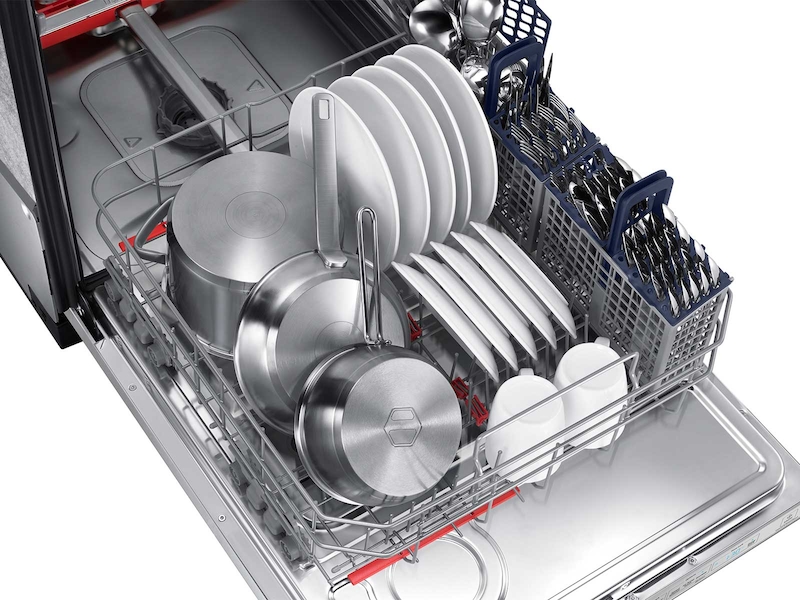
Place large items on the bottom, bowls inward, utensils handle down, and avoid overloading.
I’ve spent years testing and loading dishwashers, including many Samsung models. This guide explains how to load Samsung dishwasher step by step, with clear tips, common mistakes, and real-life advice. Read on to learn practical tricks that save time, get dishes truly clean, and protect your machine.

Why proper loading matters for performance and longevity
How you load a machine matters as much as the detergent you use. Correctly loading affects water flow, detergent reach, and how clean dishes get. When you learn how to load Samsung dishwasher properly, you reduce the need for rewashes and protect spray arms and sensors.
Proper loading also helps avoid clogs and wear. That means fewer service calls, less noise, and longer life for your dishwasher. Small changes in placement yield big gains in cleaning and drying.

Step-by-step: how to load samsung dishwasher for best results
Follow this simple sequence each time. Short steps make it easy to remember.
- Pre-check and scrape
- Remove large food scraps and bones. No need to rinse fully, but scrape heavy soils.
- Open the filter and confirm no big debris blocks the drain.
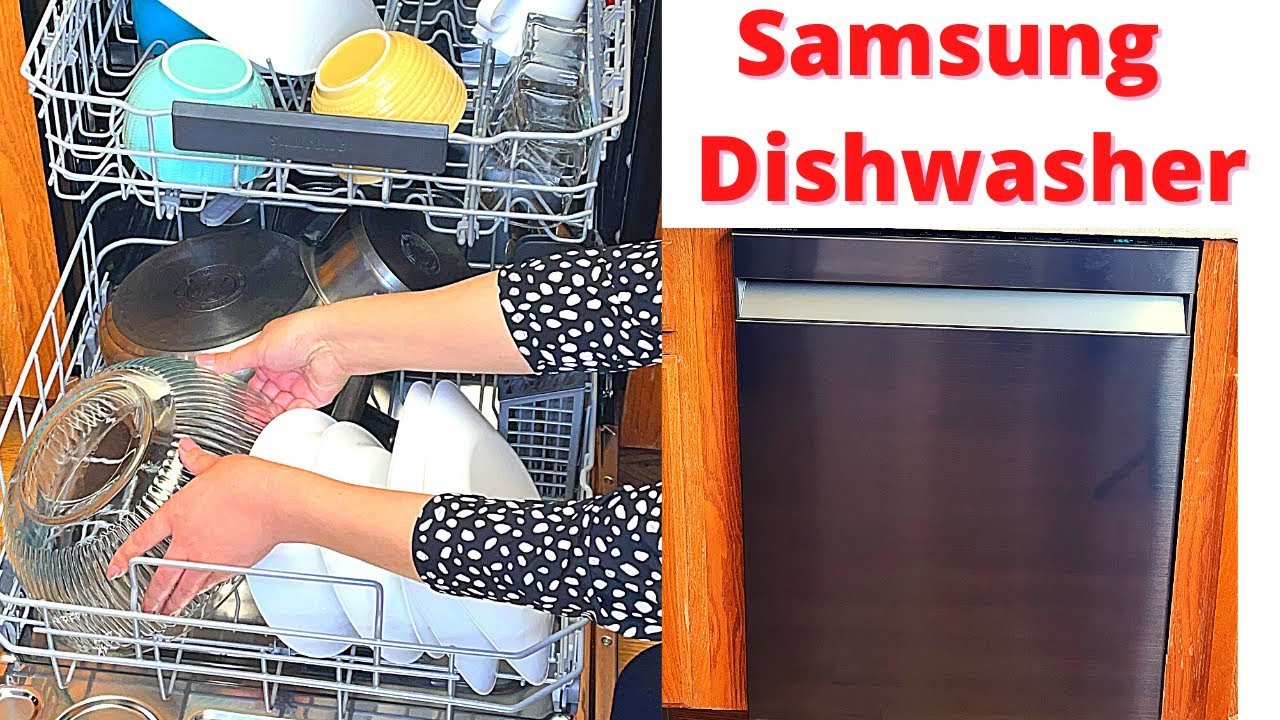
- Bottom rack: plates, pans, and large items
- Place plates and dinnerware facing the center spray and slightly angled.
- Put pots and pans on the sides or back. Avoid blocking the detergent dispenser or spray arms.
- Space items so water can reach all surfaces.
- Top rack: glasses, cups, small bowls
- Put glasses and cups upside down. Angle them slightly for water drainage.
- Place small bowls facing the center and not nested.
- Keep plastic only on the top rack when possible.
- Silverware and utensils
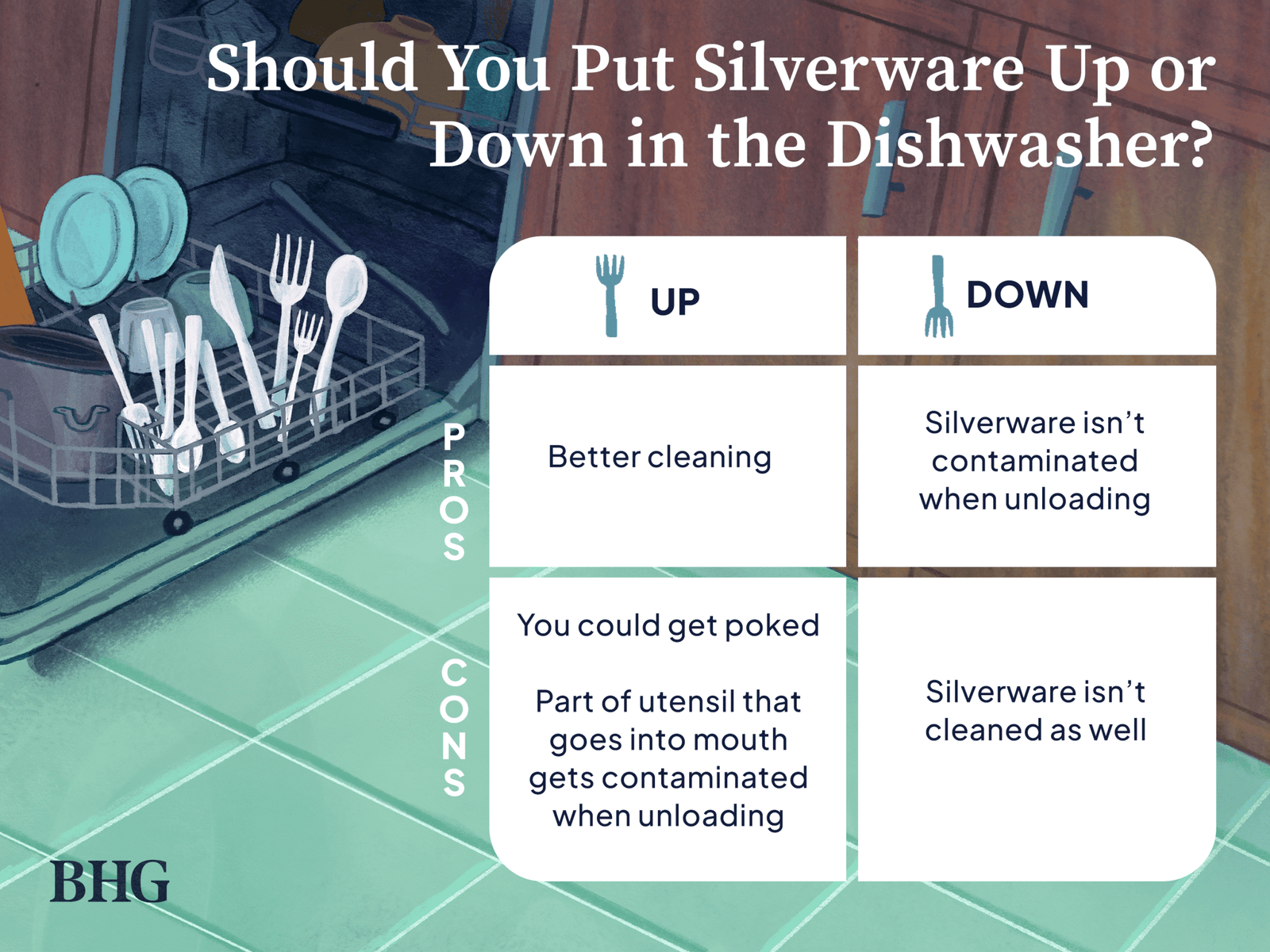
- Use the third rack if your Samsung model has one. Lay knives and spatulas flat.
- If using a basket, mix spoons, forks, and knives to avoid nesting.
- Place sharp knives tip down for safety.
- Special items and soaps
- Place fragile stemware in secure slots or use stemware holders.
- Don’t block the detergent cup. Make sure the dispenser can open freely.
- Final checks
- Spin the spray arms by hand to confirm they turn freely.
- Close the door and select the right cycle for soil levels.
These steps cover how to load Samsung dishwasher models that have adjustable racks and third racks. Small checks avoid big problems.
Rack layout and what goes where
Understanding each rack helps you load faster and smarter.
Bottom rack
- Best for plates, saucers, and heavy cookware.
- Place large items near the sides to keep the middle clear for the spray arm.
Top rack
- Best for glasses, mugs, and small bowls.
- Use the adjustable height if available to fit taller items below.
Third rack or cutlery tray
- Great for utensils, long tools, and small lids.
- Lays items flat so water reaches both sides. This is often the easiest way to load silverware.
Space and angle rules
- Leave a little gap between items. Water moves in straight lines.
- Tilt open items slightly so water drains out and detergent reaches the surface.
Knowing where to place each item makes how to load Samsung dishwasher easier. The right layout improves cleaning and reduces breakage.

Common mistakes to avoid when learning how to load samsung dishwasher
Avoid these frequent errors.
- Overloading the racks. Too many items block water flow and keep dishes dirty.
- Nesting bowls or cups. Stacked items hide surfaces from spray arms.
- Placing small items loose. They can flip and block spray arms.
- Blocking the detergent dispenser. If it can’t open, soap won’t reach dishes.
- Putting wooden or hand-wash-only items in the dishwasher. These can warp or crack.
I once overloaded the top rack with plastic lids. The lids flipped and trapped water. After that, I started laying lids along the sides. Small adjustments stopped rewashes.

Care, detergents, and maintenance tips linked to loading
How you load interacts with maintenance and detergent choice.
- Use the detergent type recommended for Samsung appliances. Powder, gel, and pods can work, but pods are easiest to dose.
- Use rinse aid for faster drying and to reduce spotting on glass.
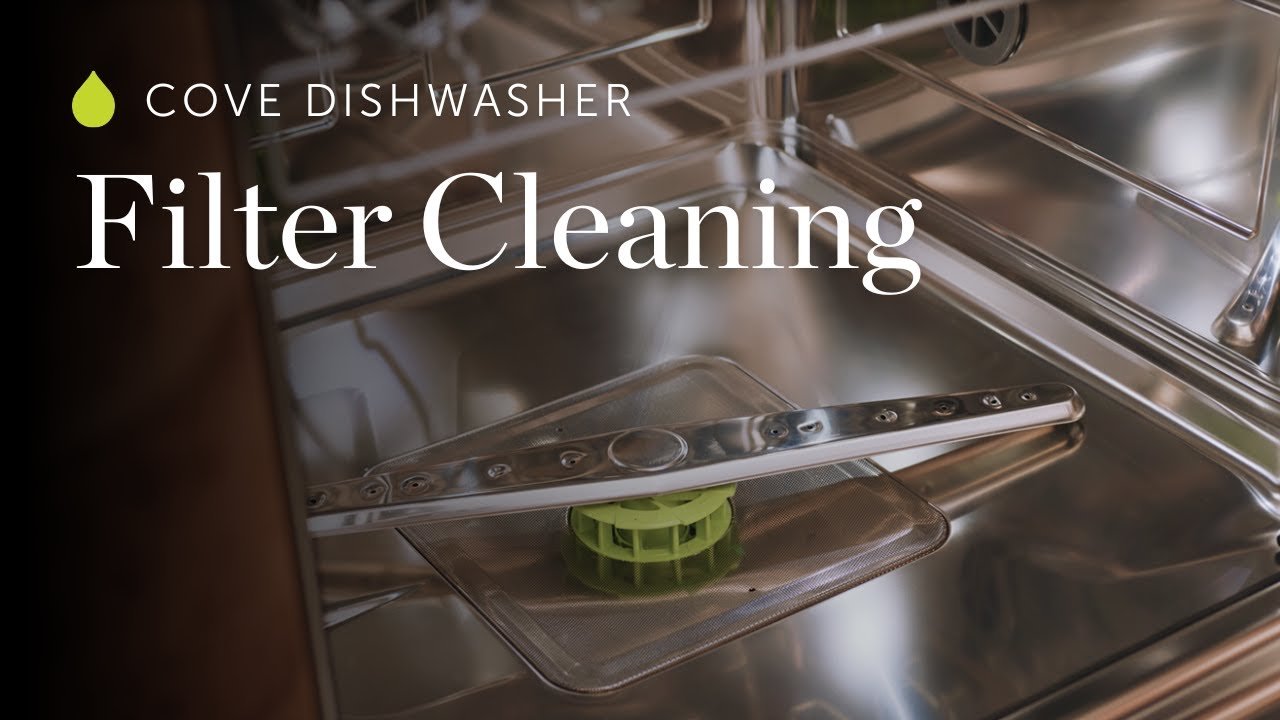
- Clean the filter periodically. A clogged filter reduces cleaning power.
- Run a maintenance or self-clean cycle monthly if you use the dishwasher heavily.
Hot water helps. Run the kitchen sink and let water get hot before starting the dishwasher. This ensures detergent dissolves and works well. These small maintenance habits are part of learning how to load Samsung dishwasher right.

Tips for special items and tricky loads
Some items need extra care. Here’s what I do.
- Pots with burnt-on food: pre-soak briefly. Heavy soils may need a short pre-wash.
- Large baking sheets: place them along the side or back. Avoid flattening them across the bottom.
- Fine china and crystal: use soft cycles and secure them in the top rack or in special holders.
- Sharp knives: more often I hand-wash them. If you use the dishwasher, place them tip down and separated from other utensils.
If you follow these tricks, loading awkward items will not hurt cleaning performance. Knowing how to load Samsung dishwasher for special cases saves fragile pieces and prevents damage.

Personal experience: mistakes I made and lessons learned
I’ve loaded many dishwashers in rental units and homes. These lessons stuck.
- Lesson 1: Don’t assume "full" means maximum. Overload reduces cleanliness.
- Lesson 2: Keep sprays clear. Once I blocked a spray arm with a dish and had to rewash nearly everything.
- Lesson 3: Use the third rack. It freed space and cut rewash time.
- Lesson 4: Angle glassware. I used to put glasses flat and got cloudy spots. Angling fixed it.
These small fixes have cut my rewashes by half. They’re practical wins you can use today when you learn how to load Samsung dishwasher.
Frequently Asked Questions of how to load samsung dishwasher
How should I place utensils in a Samsung dishwasher?
Place utensils mixed and spaced. If you have a third rack, lay them flat; otherwise, alternate handles up and down in the basket to avoid nesting.
Can I put pots and pans on the top rack?
No. Pots and pans belong on the bottom rack. The top rack is for lighter items like glasses and small bowls.
Should I rinse dishes before loading?
You only need to scrape large scraps. Modern dishwashers and detergents clean well without full rinsing. Heavy burnt-on food may need a brief soak.
Where do I put wine glasses in a Samsung dishwasher?
Place wine glasses on the top rack, upside down and slightly angled. Use stemware holders if your model has them for extra security.
How do I avoid blocked spray arms?
Leave space between items and don’t place tall items directly under the spray arms. Spin the arms by hand to check rotation before each cycle.
Conclusion
Mastering how to load Samsung dishwasher makes daily life easier. Follow the step-by-step layout, avoid common mistakes, and use the third rack when you can. Small changes—like angling glasses and not overloading—improve cleaning, protect dishes, and extend appliance life. Try the checklist in this guide on your next load, and share your results or questions below.