
Try adding rinse aid, check the heater and vents, and run a hot rinse cycle.
I’ve repaired dozens of dishwashers and written repair guides for homeowners. This article explains why your dishwasher is not drying and gives step-by-step, easy-to-follow fixes you can test today. You’ll learn quick checks, safe tests for parts, maintenance tips, and when to call a pro. Read on and you’ll know exactly how to fix dishwasher not drying with confidence.

Why a dishwasher is not drying: quick causes and what it means
A dishwasher that does not dry leaves dishes wet and can smell musty. Drying problems usually come from four areas: rinse aid, heating, ventilation, or cycle choice.
Common causes include:
- Rinse aid is empty or not used.
- Heating element, thermostat, or drying fan is faulty.
- Vent or vent motor is clogged or stuck.
- You chose an energy-saving or no-heat cycle.
- Poor hot water supply or incorrect water temperature.
I’ve seen cheap dishwashing cycles leave cups dripping because owners skipped rinse aid. Knowing the cause helps you decide whether the fix is a five-minute tweak or a small parts repair.
How to fix dishwasher not drying — step-by-step quick fixes
Start with easy checks. These simple steps fix most drying issues and take under 30 minutes.
-
Run a hot pre-rinse and full hot cycle
-
Turn on the hot water tap at the sink and run the dishwasher right after. This raises incoming water temperature for better drying.
-
Choose the hottest cycle or a sanitizing setting if available.
-
Add or refill rinse aid
-
Open the rinse aid reservoir and top it up. Rinse aid reduces water surface tension and helps water sheet off dishes.
-
Adjust dispenser setting to a higher release level if dishes remain spotted.
-
Change the cycle to a heated-dry option
-
Some models have no-heat eco cycles. Switch to Normal or Heavy with Heat Dry.
-
Use an Extra Dry or Extended Dry option when available.
-
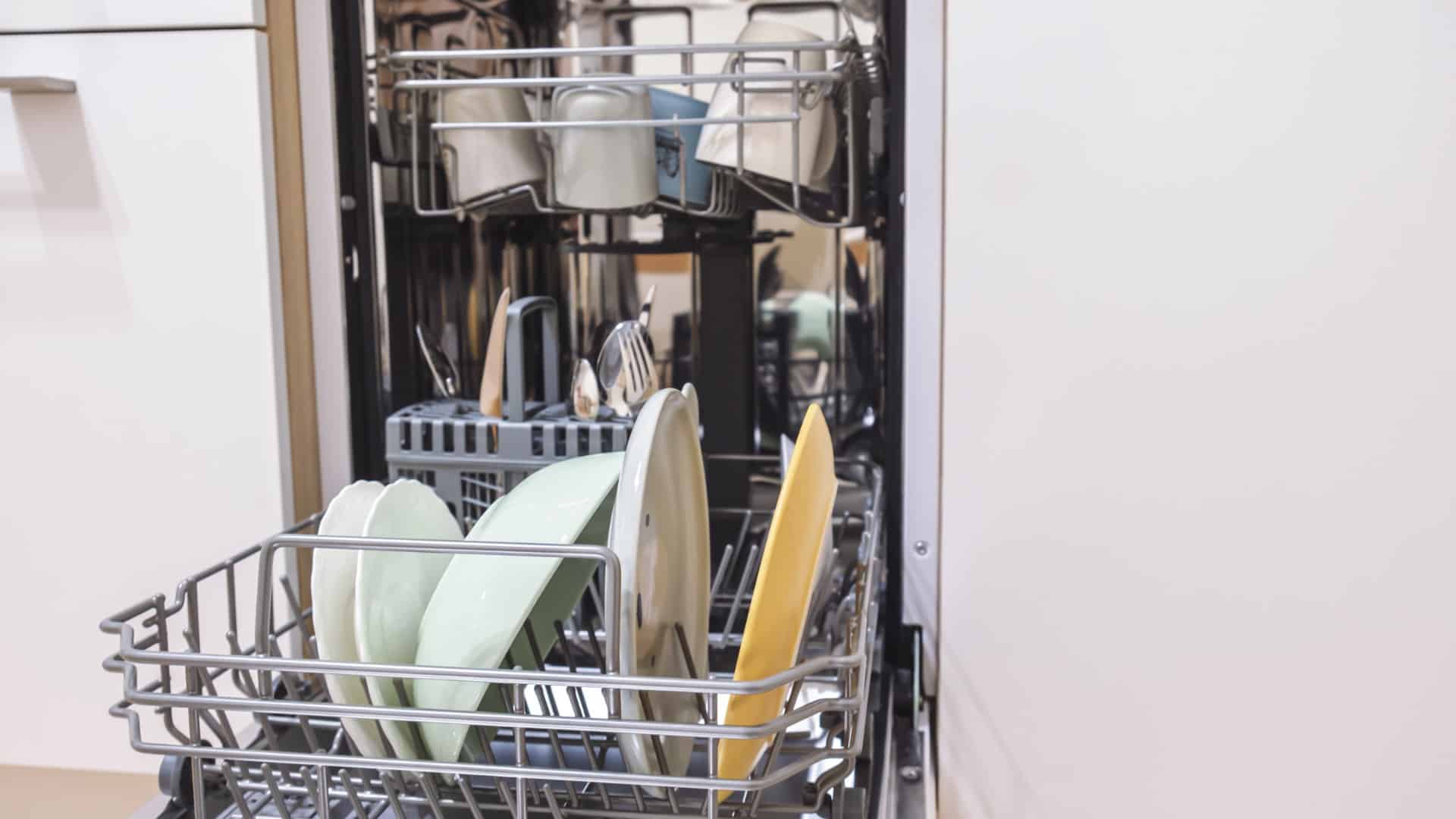
Improve loading and spacing
-
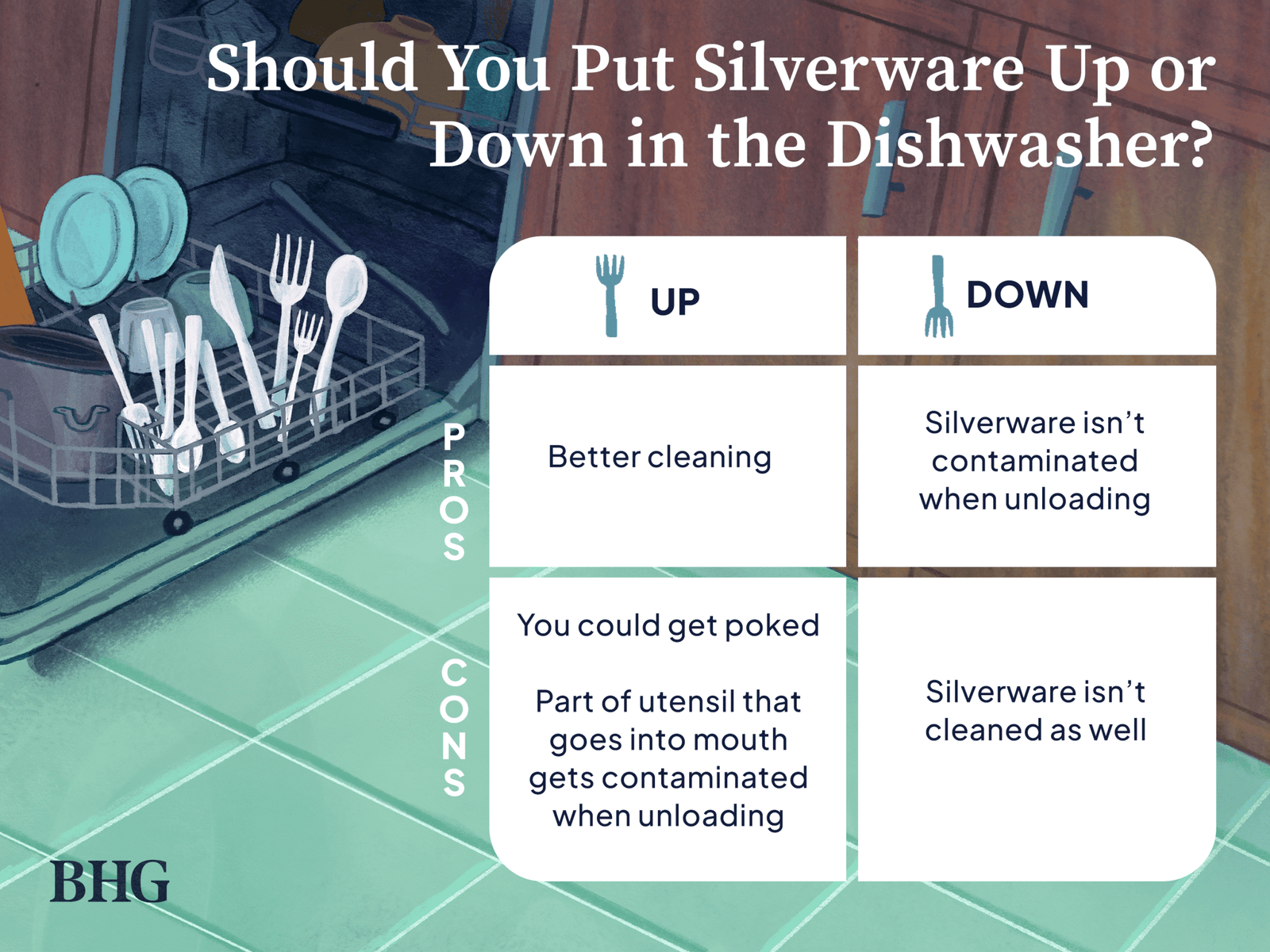
Face cups and bowls downward and avoid stacking. Good airflow makes the biggest difference.
-
Keep plastic items on the top rack and tilt them to let water run off.
-
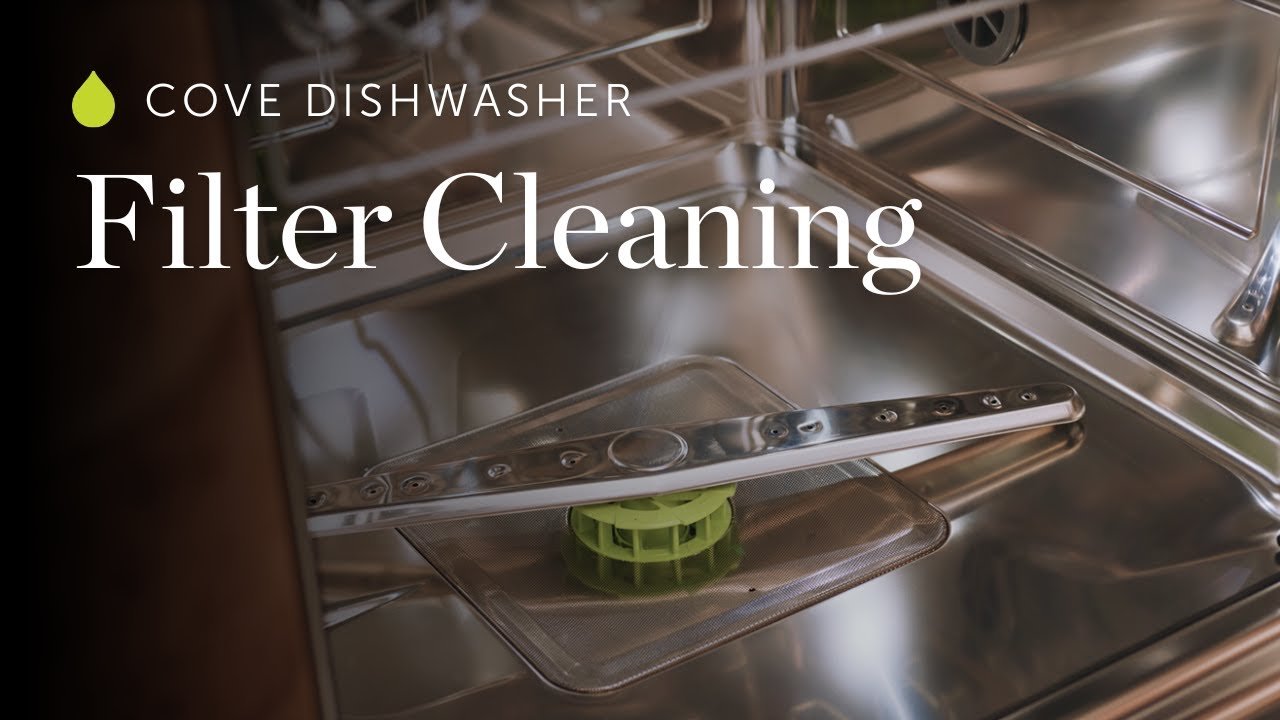
Clean filters and spray arms
-
Remove and rinse the filter and inspect spray arms. Clogs reduce wash and rinse effectiveness.
-
Use a toothpick or small brush to clear spray arm holes.
-
Check the rinse aid dispenser and settings
-
Make sure the cap seals and the dispenser is not stuck.
-
Manually press the dispenser test if your model has one.
Do these steps first. If drying improves, you’ve solved the issue. If not, proceed to part repairs below.

Advanced troubleshooting: parts to check and how to test them
If quick fixes fail, test components that affect drying. Take safety steps: unplug the dishwasher or switch off its breaker before touching electrical parts.
Heating element or heating assembly
- What it does: Heats air and water during the final rinse to aid drying.
- How to test: Use a multimeter to check continuity across the element. No continuity means replace it.
- My tip: A visibly burned or warped element needs replacement.
Thermostat or temperature sensor
- What it does: Tells the control board when water and tub are hot enough.
- How to test: If water is not hot at the end, test the sensor for correct resistance with a multimeter. Faulty sensors cause no-heat cycles.
Vent and vent motor
- What it does: Releases steam so dry air can flow in or out.
- How to test: Run a cycle and listen for the vent motor at the end. Blocked vents or a dead motor stop steam release and slow drying.
- Quick check: Clean the vent area and test for movement; replace motor if it stays stuck.
Diverter motor or fan (on some models)
- What it does: Circulates hot air to speed drying.
- How to test: If the fan does not run during the dry phase, the motor may be bad. Check for loose wires, then test motor continuity.
Door seal and latch
- What it does: Keeps heat and steam inside the tub.
- How to test: Look for cracked or collapsed gaskets. A poor seal lets heat escape and reduces drying.
Control board or timer
- What it does: Controls the heated dry phase.
- How to test: If all parts work but the cycle never enters the dry phase, the board or timer could be the issue. This is often a professional repair.
Drain pump and float switch
- What it does: Ensures tub is empty before drying.
- How to test: A stuck float or pump can leave water in the tub and confuse drying logic. Clean debris and test float movement.
When replacing parts, use OEM or high-quality aftermarket parts. Keep receipts and note model numbers for future reference.

Preventive maintenance and practical tips to avoid drying problems
Small habits prevent most drying failures. These tips keep your dishwasher drying well for years.
- Use rinse aid every load. It’s the single easiest fix for drying issues.
- Pre-rinse only if necessary. Too much detergent residue can leave films that trap water.
- Run hot water in the sink before starting the dishwasher to ensure hot incoming water.
- Clean filters once a month and check spray arms quarterly.
- Load dishes to allow airflow. Avoid blocking the vent and heater area.
- Use a heated-dry or extra-dry option when washing plastics or dense items.
- Inspect door gasket twice a year. Replace if cracked or flattened.
I once fixed a neighbor’s persistent wet loads by simply teaching better loading. A few cups placed correctly improved drying dramatically.

When to call a pro and what repairs cost
Call a licensed appliance technician if:
- You are uncomfortable with electrical tests or part replacements.
- You found a faulty control board, thermostat, or heating element and don’t want to DIY.
- The dishwasher is under warranty; service may be covered.
Typical costs (rough ranges):
- Service call fee: small diagnostic fee, often $75 to $125.
- Heating element replacement: $100 to $250 including labor.
- Vent motor or fan replacement: $150 to $300.
- Control board replacement: $200 to $500 or more.
Always get a written estimate and ask about parts warranties. A trusted technician can confirm whether replacement or repair is more cost-effective.

Frequently Asked Questions of how to fix dishwasher not drying
Why is my dishwasher not drying even on the heated dry setting?
If dishes stay wet on heated dry, rinse aid is often the culprit, or the heating element/thermostat may be failing. Also check the cycle choice and hot water supply temperature.
Will adding more detergent help drying?
No. More detergent does not improve drying and can leave residue that traps water. Use the correct amount and rely on rinse aid for better drying.
Can I test the heating element myself?
Yes, you can test it with a multimeter after disconnecting power. If it shows no continuity, the element needs replacement. Always cut power before testing.
Does water temperature affect drying?
Yes. Cold incoming water reduces wash and rinse heat, making drying harder. Run hot water at the sink first and use the hottest dishwasher cycle.
How long should dishes stay slightly wet after a cycle?
Slight dampness on plastic items is normal because plastic holds less heat. Using Extra Dry or opening the door slightly after the cycle helps remove steam.
Is it safe to use a dishwasher without a working vent?
You can run the dishwasher but expect poor drying and more condensation in the kitchen. Fix the vent to prevent long-term performance issues.
Conclusion
You can often fix dishwasher not drying with a few quick steps: use rinse aid, select a heated cycle, load for airflow, and keep filters and vents clean. Test or replace the heating element, thermostat, or vent motor if basic fixes fail. Start with simple checks and move to parts tests if needed. Try the easy tips today and you’ll likely see better drying tomorrow. If you’re unsure, call a trusted appliance pro for a safe diagnosis.
If this guide helped, try the steps on your next load, subscribe for more DIY appliance tips, or leave a comment with your model and symptoms.