
Remove arms, soak in vinegar, clear jets with a toothpick or brush, rinse, and reattach securely.
I’ve cleaned dozens of dishwashers in homes and rentals, so I know what works and what doesn’t when learning how to clean dishwasher spray arms. This guide breaks down the full process, from safe removal and simple tools to deep-cleaning tricks and when to replace a worn arm. Read on for step-by-step instructions, quick tips, and real-world troubleshooting so your dishwasher sprays like new.
Why dishwasher spray arms clog and what to expect
Dishwasher spray arms spin and spray water through small holes to clean dishes. Over time, food bits, mineral buildup, soap residue, and hard-water deposits block the holes. Clogged spray arms cause poor cleaning, cloudy glassware, and longer cycles. Knowing why and what to expect helps you decide how to clean dishwasher spray arms effectively and safely.

Tools and supplies you’ll need
- A flathead screwdriver or coin to unlock clips. Useful for removing many modern spray arms.
- A soft brush or old toothbrush. Gentle bristles clean jets without scratching plastic.
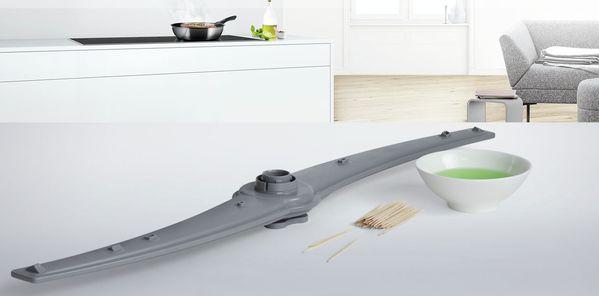
- Toothpicks or a small pin. Great for poking out stubborn particles from tiny holes.
- White vinegar and baking soda. Vinegar dissolves mineral deposits; baking soda refreshes and deodorizes.
- A bowl or bucket for soaking. Use warm water to speed cleaning.
- Gloves and safety glasses. Protect hands and eyes from grime and cleaners.
- Clean cloth and towel. For drying parts before reassembly.
Step-by-step: how to clean dishwasher spray arms
- Prepare and unplug
- Turn off the dishwasher power or unplug it. Shut off the water supply if your model requires.
- Remove racks for access
- Pull out both lower and upper racks. Move items and the silverware basket out of the way.
- Detach the spray arms
- Check your manual for model-specific removal steps. Most arms twist off or pop out from a clip. Carefully remove the top and bottom arms.
- Inspect the arms
- Look for cracks, clogged holes, or food debris. Note worn bearings or stripped fittings.
- Soak and clean
- Fill a bowl with warm water and one cup of white vinegar. Submerge the spray arms for 20–30 minutes to loosen mineral buildup.
- Clear each jet
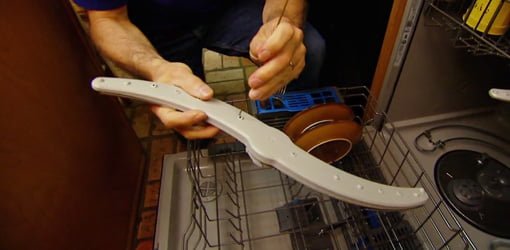
- Use a toothpick or small pin to push debris out of every hole. Rinse thoroughly with warm water.
- Scrub gently
- Brush the arms inside and out with a toothbrush. Pay attention to the spinning mechanism and any tiny screens.
- Rinse and dry
- Rinse under running water and shake out trapped water. Dry with a towel and let air-dry briefly.
- Reinstall and test
- Reattach the arms. Run a short rinse cycle to confirm proper spinning and water flow.
Following these steps shows exactly how to clean dishwasher spray arms without special service calls.

Deep cleaning for stubborn mineral buildup
If normal soaking doesn’t clear hard-water scale, try these methods:
- Boil-vinegar soak
- Heat vinegar (not in microwave) and pour into a bowl, then submerge the arms for 30–60 minutes.
- Baking soda paste
- Make a paste with baking soda and water, apply to clogged holes, let sit 15 minutes, then brush and rinse.
- Ultrasonic cleaner
- For small, removable arms, an ultrasonic cleaner will remove mineral scale quickly. This is common for appliance shops.
- Mild acid cleaners
- Use a citric-acid cleaner or descaler designed for appliances if vinegar fails. Follow product instructions and wear gloves.
Be cautious with harsh acids or abrasive tools. Overly aggressive cleaning can damage plastic or weaken seals.

When to repair or replace spray arms
Look for these signs that cleaning isn’t enough:
- Cracks or broken mounting tabs.
- Holes eroded or permanently distorted.
- Worn bearings that don’t allow smooth spin.
- Persistent poor spray even after cleaning.
If you see physical damage, replacement is cheaper and safer than repeated fixes. Check your model number and buy OEM or compatible parts. Replacements often come with simple fit guides and are easy to install.

Simple maintenance routine to avoid clogs
- Rinse dishes before loading when heavily soiled. This limits large food bits that clog jets.
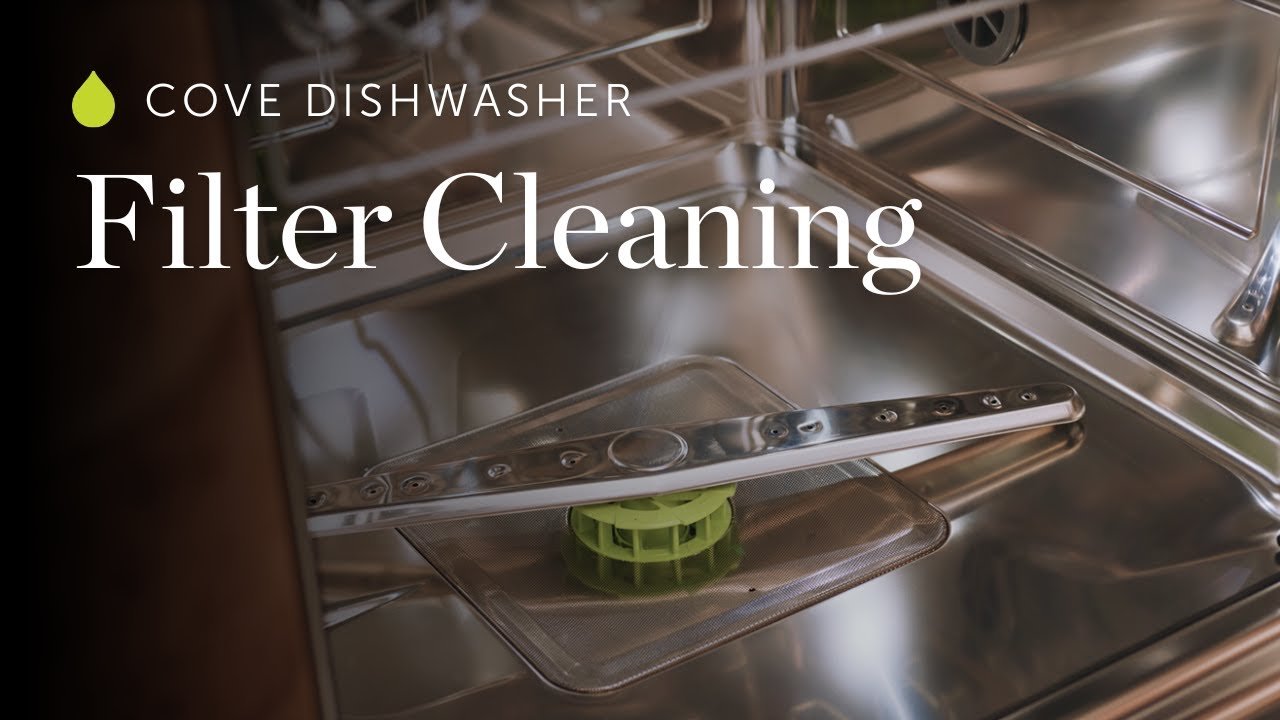
- Clean the filter weekly. A clean filter keeps debris from recirculating into spray arms.
- Run a vinegar rinse monthly. Place a cup of white vinegar on the top rack and run a hot cycle.
- Check arms every 3 months. Quick visual checks catch buildup early.
- Use a water softener if you have hard water. This reduces mineral buildup inside jets and pipes.
A small routine saves time and prevents major cleaning jobs when learning how to clean dishwasher spray arms.

Troubleshooting common problems after cleaning
- Spray arms still don’t spin
- Check for stuck bearings or blocked center nozzles. Reinstall arms properly and ensure no tools or utensils obstruct rotation.
- Water still sprays unevenly
- Inspect the pump and spray valve. A weak pump reduces pressure and can mimic clogged arms.
- Strange noise after reassembly
- Make sure arms are seated correctly and not rubbing racks. Tighten loose clips but avoid over-tightening plastic parts.
- Leaks after reattachment
- Confirm seals and gaskets are intact. Check the spray arm mounting area for cracks.
If issues continue, consult your dishwasher manual or a technician to avoid causing more damage.

My experience: lessons, mistakes, and tips
I used to skip cleaning spray arms and then faced cloudy glasses and repeated cycle times. Once, I cracked an arm by using pliers to force-removal—lesson learned: use the correct tool and gentle force. Another time, a household with very hard water needed monthly vinegar rinses; that routine stopped the buildup. My best tip: clear jets with a soft tool, not metal wire. It works every time and avoids damaging the arm.
Frequently Asked Questions of how to clean dishwasher spray arms
How often should I clean dishwasher spray arms?
Every 3 months is a good baseline. If you have hard water or heavy use, check and clean monthly.
Can I clean the spray arms without removing them?
You can brush and poke holes while attached, but full cleaning works best after removal. Removing lets you soak and inspect for cracks.
Is vinegar safe for spray arms?
Yes, white vinegar is safe for plastic spray arms and effective on mineral buildup when used in moderate amounts. Rinse well after soaking.
Will baking soda damage the spray arms?
No, baking soda is mild and safe. Use it as a paste or sprinkle during scrubbing to remove grime.
What if holes are permanently eroded?
Replace the spray arm if holes are warped or cracked. Erosion can’t be reliably fixed and affects cleaning performance.
Can I use a toothpick to clear the holes?
Yes, a wood toothpick is ideal. It clears debris without widening or damaging the jet holes.
Conclusion
Regular cleaning of dishwasher spray arms keeps dishes cleaner, saves energy, and extends appliance life. Use simple tools, safe cleaners, and short soak-and-scrub routines to restore spray performance. If arms are damaged or cleaning fails, replace them with matching parts. Try the steps today, set a maintenance schedule, and leave a comment with your results or questions.