
Use drawer dividers, group items by function, and keep daily tools within easy reach.
I’ve spent years organizing kitchens for friends and clients, testing tools and layouts until everything worked well. This guide on how to organize kitchen drawers brings clear steps, smart systems, and practical tips you can use today to create drawers that stay tidy and save time every day.
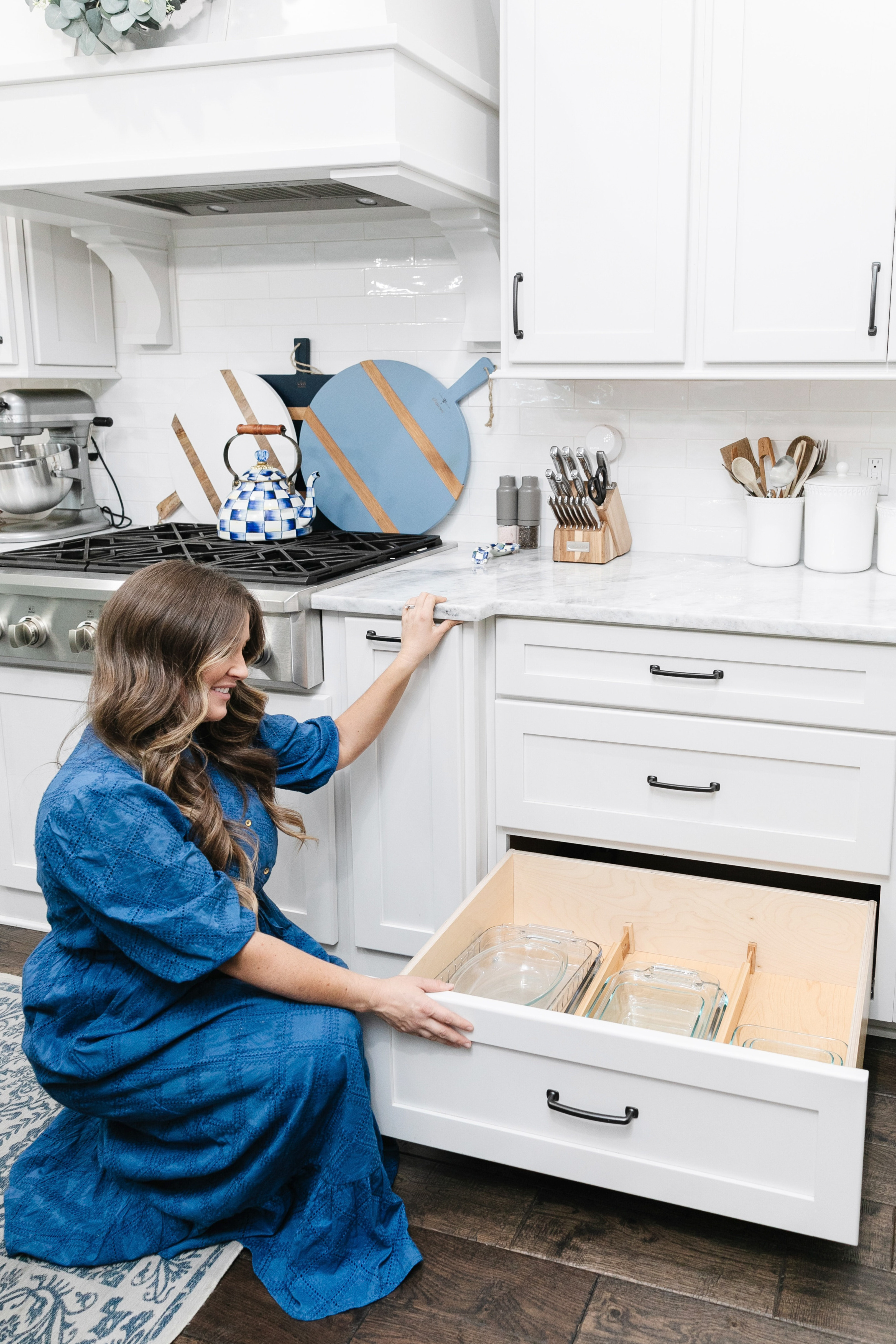
Why organize kitchen drawers?
Organized drawers save time, reduce stress, and protect fragile items. When you know where things live, cooking and cleanup become faster and more enjoyable. Learning how to organize kitchen drawers also prevents wasted purchases and cluttered countertops.
:max_bytes(150000):strip_icc()/241147086_395188231961064_3633299760962399755_n-b0aae06fba6347b0baac9c8c0c41a880.jpg)
Quick planning: assess, declutter, measure
Start by pulling everything from the drawers. Sort items into keep, donate, toss, and relocate piles. Measure drawer width, depth, and height so inserts and dividers will fit properly.
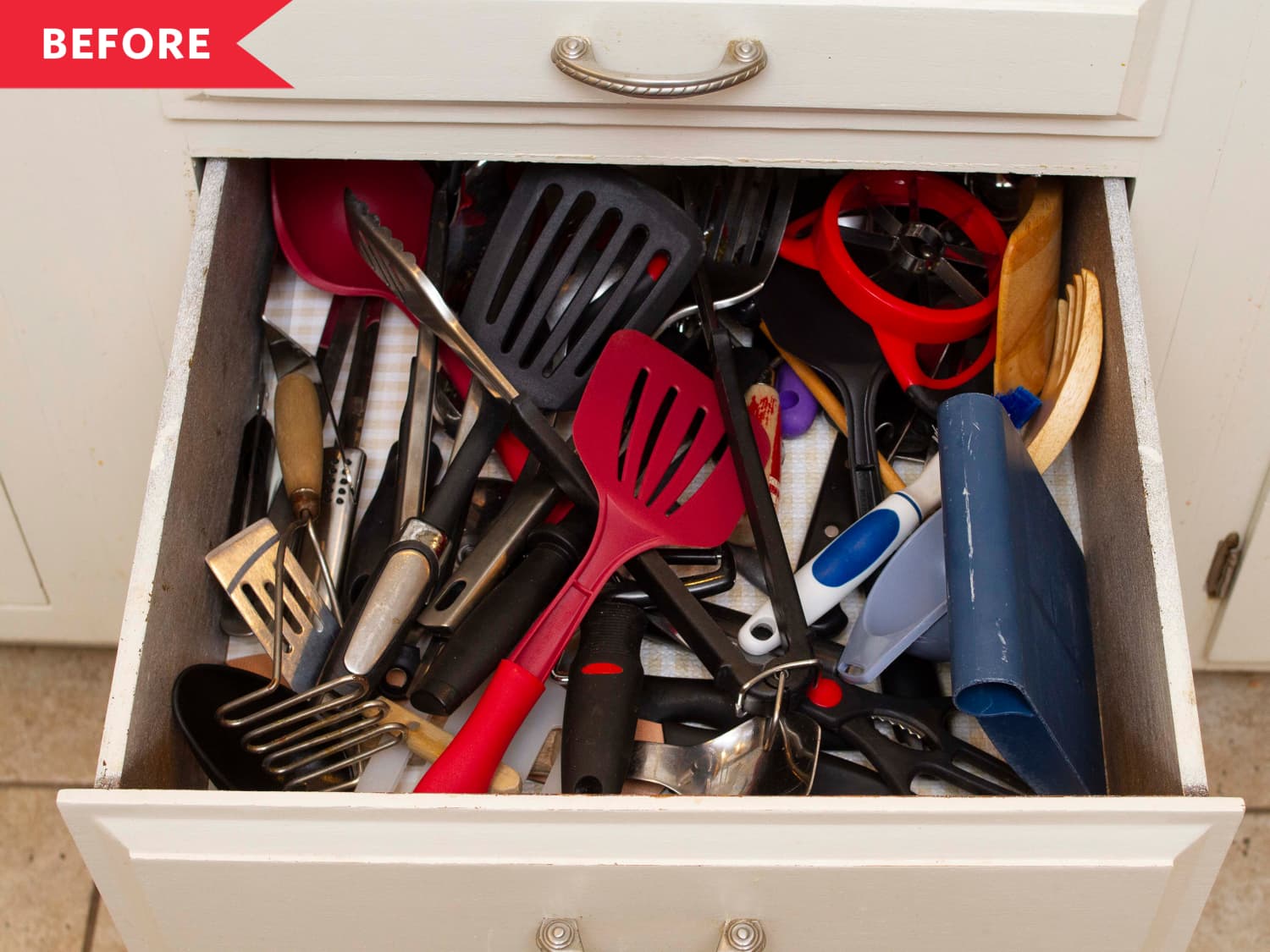
Drawer organization systems and tools
Think in zones and choose tools that match each zone. Useful tools include:
- Drawer dividers for utensils and gadgets
- Cutlery trays for forks, knives, and spoons
- Adjustable inserts for mixed items like baking tools
- Deep drawer organizers and bamboo trays for pans and lids
- Non-slip liners to keep items from sliding
- Small bins for packets and snacks
- Vertical racks for cutting boards and baking sheets
Match tools to drawer size and to how often you use items. Good organizers make items visible and easy to grab, cutting time when you cook.
:max_bytes(150000):strip_icc()/164332510_920750955366251_1603726800530264061_n-7b01ff6fe05645d48c9396c1cbc74e23.jpg)
Organizing by drawer type
Top shallow drawers
- Reserve for everyday utensils, measuring spoons, and small tools.
- Use cutlery trays and small dividers so items don’t mix.
Deep drawers
- Store pots, pans, and mixing bowls vertically with racks.
- Use wide trays for Tupperware and lids to avoid a messy pile.
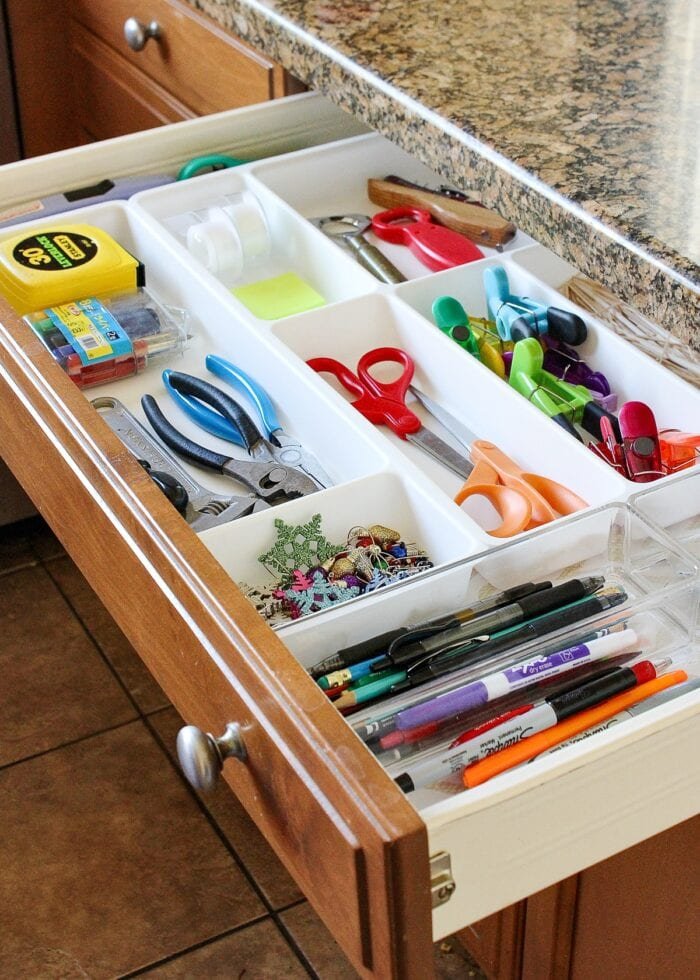
Junk drawer
- Tame it with compartments for batteries, scissors, tape, and chargers.
- Limit the junk drawer to a clear maximum volume so it won’t expand.
Spice and tea drawers
- Use angled inserts or labeled tins so names face you.
- Consider a shallow drawer near the stove for frequent spices.
Plasticware and lids
- Stack containers by size and use vertical separators for lids.
- Keep lid organizer next to containers to make pairing simple.
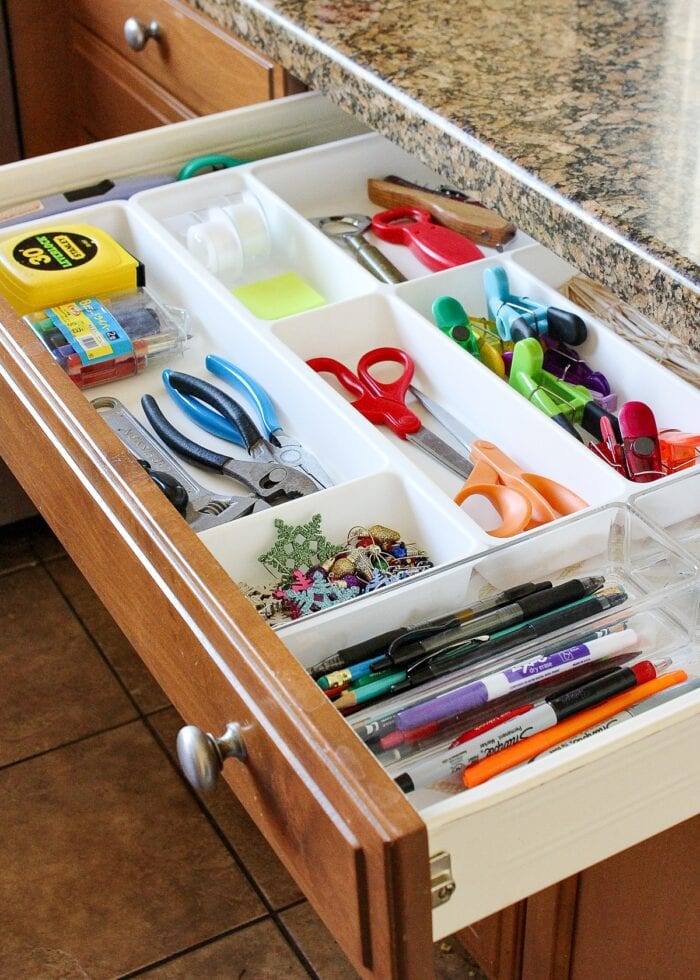
Source: thehomesihavemade.com
Step-by-step method to organize kitchen drawers
- Empty and clean
- Remove everything and wipe the drawer interior.
- Check for crumbs and wipe down with a mild cleaner.
- Categorize and cull
- Group similar items together and discard duplicates.
- Be honest: if you haven’t used it in a year, let it go.
- Measure and plan layout
- Measure drawer dimensions and note obstructions like sliders.
- Sketch a simple layout so organizers will fit.
- Choose organizers and place items
- Start with the most-used items closest to the front.
- Use dividers to keep similar items together.
- Label and test
- Label drawers or sections if helpful.
- Use items for a week, then tweak placement for comfort.
This sequence is repeatable for every drawer. It makes how to organize kitchen drawers predictable and durable.
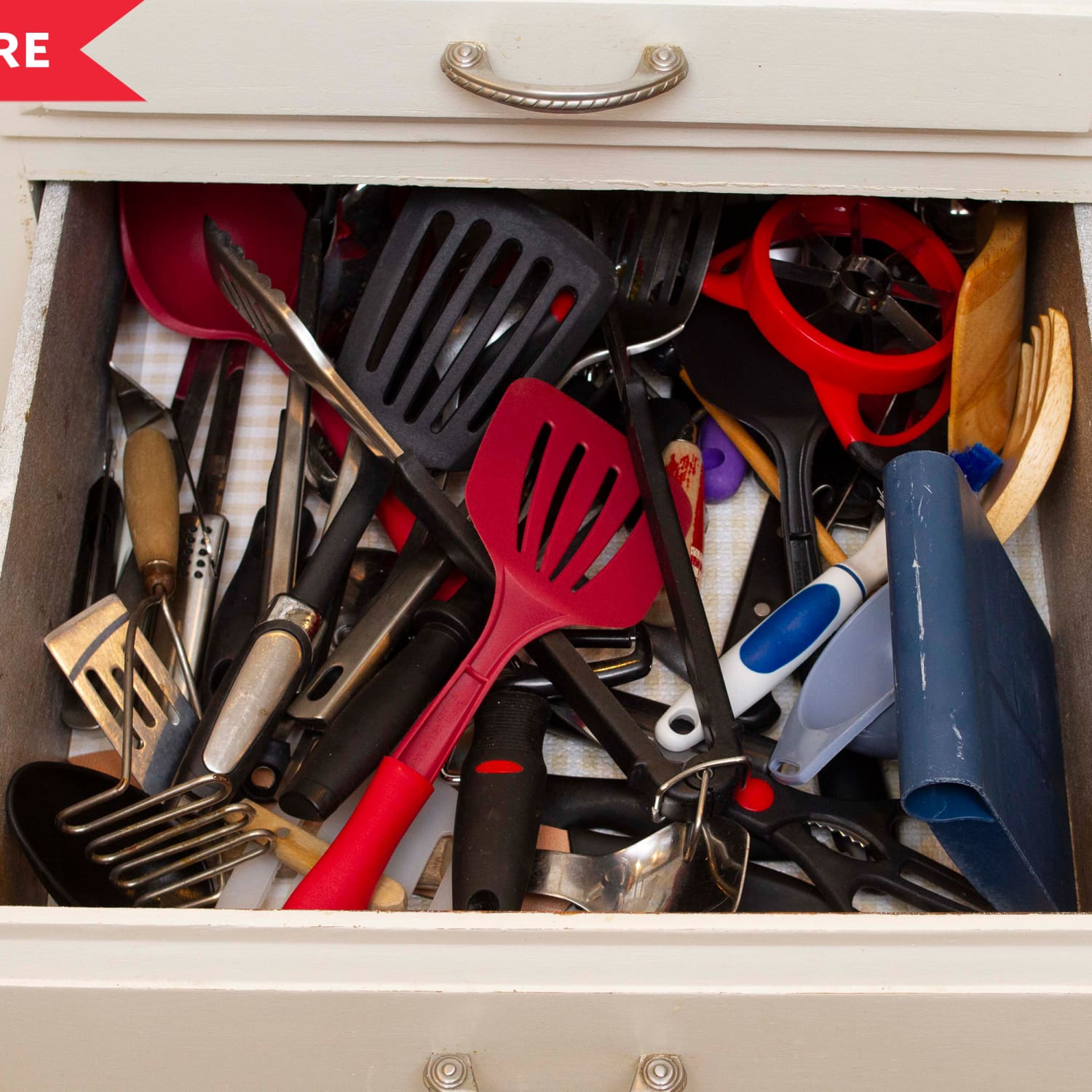 mistakes and how to avoid them”
style=”max-width: 100%; height: auto; border: 2px solid black; border-radius: 10px; display: block; margin: 0 auto;”
loading=”lazy”
/>
Common mistakes and how to avoid them
Overfilling drawers
- Problem: Items jam and drawers don’t close properly.
- Fix: Remove 20–30% of items and rotate rarely used items to pantry.
Wrong-sized organizers
- Problem: Inserts shift or don’t fit, leaving gaps or breakage.
- Fix: Measure before buying and choose adjustable options.
Ignoring ergonomics
- Problem: Heavy items in top drawers strain your back.
- Fix: Place heavy cookware at waist level and frequent tools at hand level.
Not testing systems
- Problem: A layout looks good but fails under daily use.
- Fix: Live with the new setup for a week and adjust.
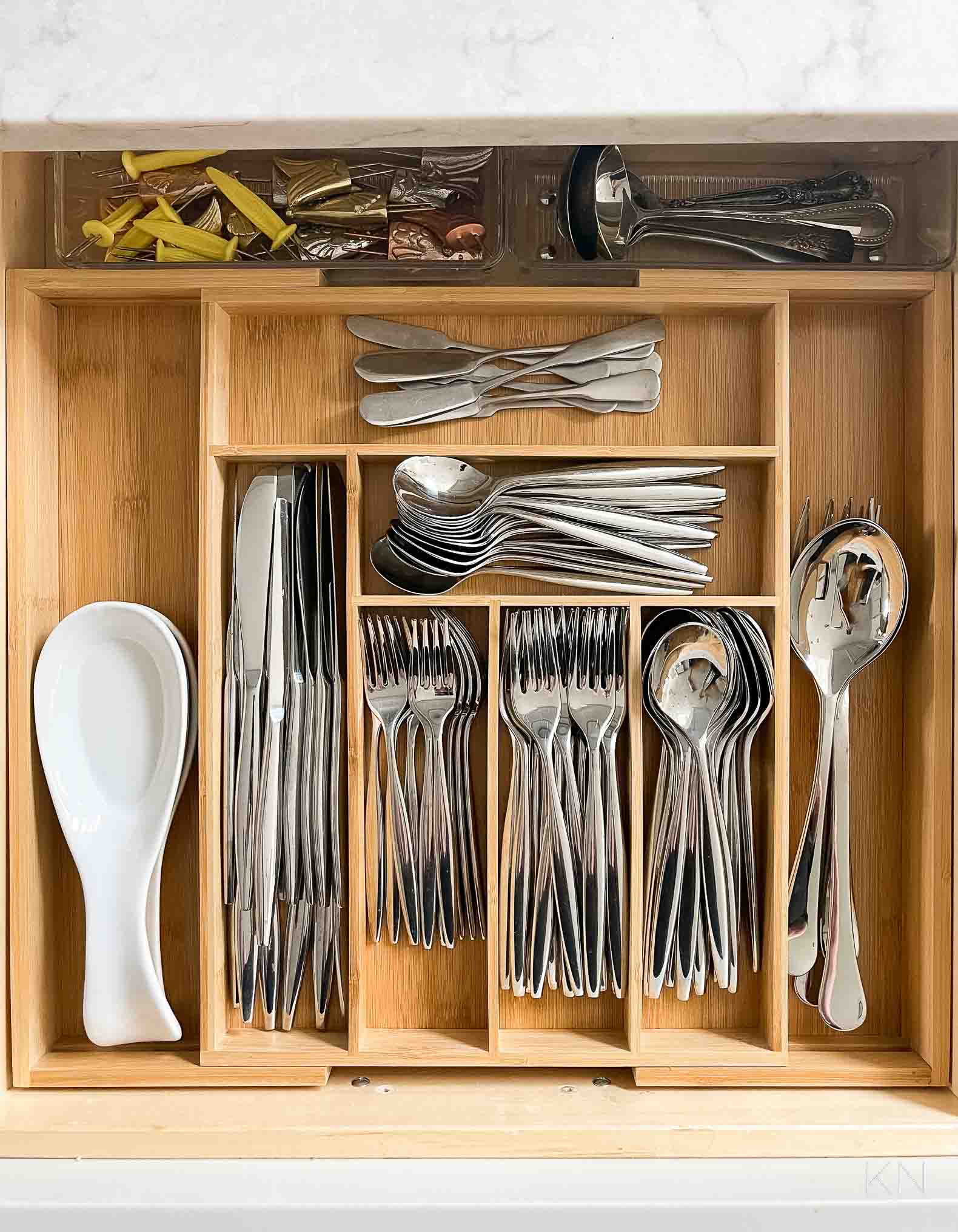
Source: kelleynan.com
Real-life tips and personal experiences
When I first organized my kitchen, I put all gadgets together and regretted it. I now group by task: prep tools in one, serving tools in another. A magnet strip inside a drawer solved my loose-knife problem and saved drawer space.
Another tip: store single-use items like twist ties in a tiny clear box so they don’t scatter. I label the inside of deep drawers with a simple tape label. This small habit helps guests and family keep things consistent.

Maintenance routine and habits
Daily habits
- Return items to their assigned spots after use.
- Wipe crumbs once a day to prevent buildup.
Weekly check
- Straighten dividers and quickly purge any stray items.
- Replace liners if they look worn or dirty.
Monthly refresh
- Reassess the drawer contents and move rarely used items elsewhere.
- Tighten hardware and check sliders for smooth action.
These simple routines keep how to organize kitchen drawers working long-term without major effort.
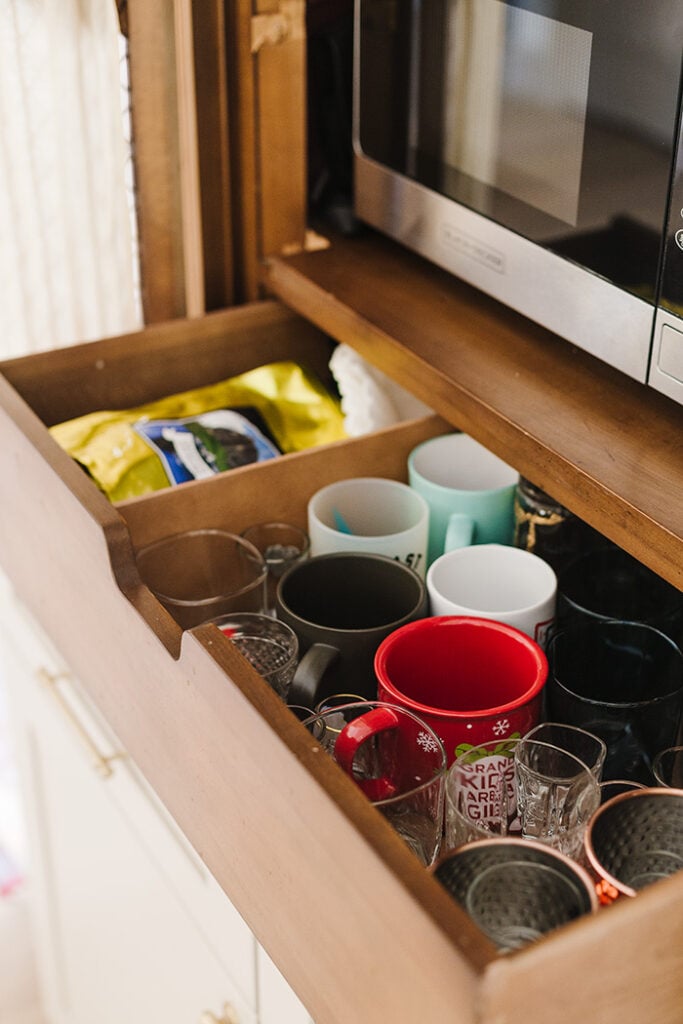
Frequently Asked Questions of how to organize kitchen drawers
How often should I declutter my kitchen drawers?
Declutter drawers every 3 to 6 months. Quick spot-checks weekly prevent major buildup and make decluttering easier.
What is the best organizer for utensils?
A divided cutlery tray for shallow drawers and adjustable dividers for mixed utensils works best. Choose materials that are easy to clean like bamboo or plastic.
How do I store lids and containers efficiently?
Stack containers nested by size and use a vertical divider for lids. Store lids in a separate drawer or a dedicated section to speed pairing.
Can I organize drawers without buying organizers?
Yes. Use small boxes, egg cartons, or folded cardboard as temporary dividers. Measure and replace with fitted organizers as your budget allows.
How do I keep silverware from sliding in deep drawers?
Place a non-slip liner under a flat cutlery tray or use a tray with rubber feet. You can also use a narrow binder clip on the back of the tray to stop sliding.
How should I organize a junk drawer?
Limit it to essential small items only and sort them into small clear bins. Reassess monthly to avoid runaway clutter.
What’s the best way to store knives in drawers?
Use a drawer knife block, ruler-style knife holder, or magnetic strip mounted inside the drawer. Ensure blades are protected to avoid damage and injury.
How can I maintain order with kids using drawers?
Use lower drawers for kid-friendly items and label them with pictures. Teach one simple rule: put it back in its bin after use.
Should small appliances be stored in drawers?
Store heavy small appliances at waist-level or lower for safe lifting. If a drawer is large and strong, add padding to protect the appliance and the drawer.
How do I organize small gadgets and battery-operated tools?
Group them by function and keep batteries in a labeled small box nearby. Test batteries monthly and recycle expired ones.
Conclusion
Organizing kitchen drawers is a small project that yields big daily benefits. Use measurement, sensible dividers, and a simple maintenance routine to make drawers functional and lasting. Start with one drawer this weekend, apply the steps here, and notice how much smoother cooking and cleanup become — then share your success or ask questions below.