
How to Use a Hot Plate Safely — Complete Guide
A hot plate is a compact, portable heat source ideal for small kitchens, dorms, workshops, and labs. When chosen and used correctly, it’s a reliable option for boiling, simmering, frying, and small-batch cooking. This guide covers everything you need: how to pick the right hot plate, step‑by‑step setup and cooking, recommended cookware, safety precautions, cleaning, troubleshooting, and FAQs — all optimized to help you get consistent results and avoid accidents.
Table of contents
- Why use a hot plate?
- Types of hot plates and how to choose
- Essential safety checklist before you start
- Step-by-step: setup, use, and shutdown
- Best cookware and practical cooking tips
- Common uses & example recipes
- Cleaning, maintenance & storage
- Troubleshooting common problems
- FAQs (schema-ready)
- Conclusion & next steps
Why use a hot plate?
Hot plates are small, affordable, and portable heating appliances for:
- Temporary cooking when a stove isn’t available
- Small-space living (dorms, studios)
- Lab work, craft or soldering tasks
- Backup cooking during renovations or outages
Benefits:
- Fast heat-up and quick cool-down
- Compact and easy to store
- Good for small-batch cooking and precise low-heat tasks
Limitations:
- Not ideal for very heavy pans or prolonged extremely high heat
- Some models have uneven heat unless used with the right cookware
- Requires stricter safety habits than a full range
Types of hot plates and how to choose
Common types:
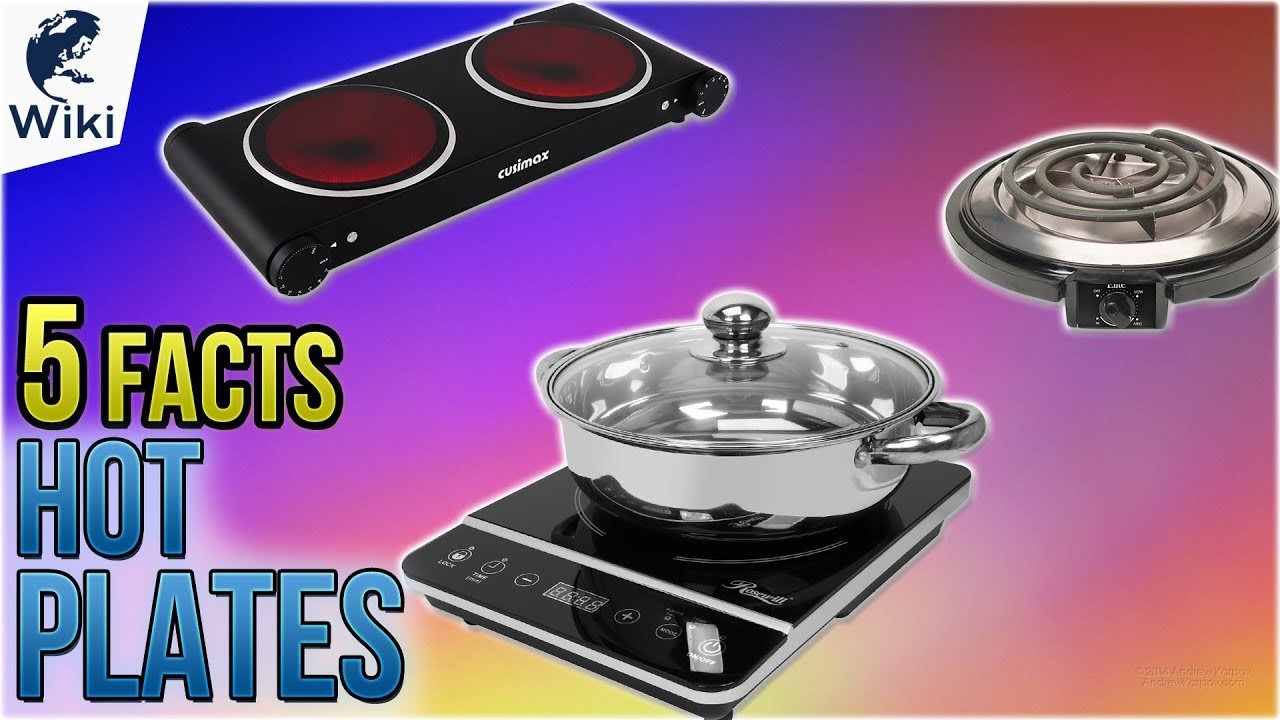
- Coil hot plates: economical and durable; best with flat metal bottoms.
- Ceramic-glass hot plates: smooth, easier to clean and often more even heating.
- Induction hot plates: fastest and most energy-efficient; require magnetic cookware.
- Single vs. double plate: single for portability; double for multitasking.
How to choose:
- Wattage: 800–1500 W is typical. Higher watts boil faster but draw more power.
- Controls: analog knobs are simple; digital controls with temperature readouts give precision.
- Safety features: overheat cutoff, indicator lights, cool-touch handles, and auto-shutoff are helpful.
- Size & plate diameter: match plate size to your common cookware.
- Portability & weight for frequent moves.
- Reviews: check user feedback for reliability and heat consistency.
Essential safety checklist before you start
- Place on a flat, stable, heat-resistant surface (no carpet).
- Keep a 3-foot clear zone around the unit — remove paper, cloth, curtains, aerosols.
- Use grounded outlets (GFCI recommended in kitchens/labs).
- Avoid or limit extension cord use; if needed, use a heavy-duty cord (12–14 AWG) rated for the wattage.
- Use flat-bottomed cookware that sits evenly.
- Never leave the hot plate unattended while it’s on.
- Keep a working smoke detector and a Class ABC fire extinguisher nearby.
- In labs, follow PPE rules and ventilation requirements.
Step-by-step: setup, use, and shutdown
Preparation
- Read the manufacturer manual for model-specific rules and limits.
- Inspect the unit, cord, and plug for damage.
- Clean the surface of dust or residues and ensure vents are clear.
- Position on a stable, heatproof countertop away from edges.
Setup
- Plug into a grounded outlet (avoid daisy-chaining power strips).
- Power on at the lowest setting to test functionality.
- Center your cookware on the plate; use pans that closely match the plate diameter.
- For induction, confirm pan is magnetic (use a magnet test).
Heating and cooking
- Preheat for 1–2 minutes before adding oil or food (prevents sticking).
- Increase heat gradually to avoid thermal shock or scorching.
- Stir or rotate food occasionally to avoid hot spots.
- Use lids to retain heat and moisture and to speed cooking.
- For precision tasks, use an infrared or probe thermometer to check surface/pot temperature.
Shutting down
- Turn control to OFF; unplug from the outlet.
- Allow the plate and cookware to cool completely.
- Clean spills only when cool to prevent damage and burns.
- Store in a cool, dry place when not in use.
Best cookware and practical cooking tips
Recommended cookware
- Induction: magnetic stainless steel, cast iron, enameled cast iron, or cookware labeled “induction-ready.”
- Coil/ceramic: flat-bottomed stainless or heavy-gauge pans for even contact.
- Avoid warped pans (especially on coil plates) and thin-bottomed pots for long low-heat cooking.
Practical tips
- Heavy-bottom pans help stabilize temperature and reduce scorching.
- If a ceramic plate runs hot/cold spots, use a heat diffuser between the plate and pan for more even heating.
- Start on low heat for controlled cooking; raise slowly as needed.
- Keep handles turned inward to avoid accidental knocks.
- For simmering long-cooks, use low wattage and a lid; replenish liquid as needed.
Common uses & example recipes
- Boiling water for tea, pasta, or instant meals.
- Simmering soups, stews, and sauces.
- Frying eggs, pancakes, or one-pan dinners.
- Small lab or workshop tasks: gentle heating of solvents (follow lab protocols).
Example: Simple one-pot stew
- Brown onions and meat on medium, add vegetables and stock, cover, set to low simmer for 60–90 minutes, stir occasionally.
Cleaning, maintenance & storage
Daily cleaning
- Unplug and wait until cool.
- Wipe down with a damp cloth and mild dish soap.
- For ceramic tops, remove residue with a soft scraper and nonabrasive cleaner.
Periodic maintenance
- Inspect cord and plug for frays, check the plug prongs for discoloration or heat damage.
- Clean vents with compressed air to prevent overheating.
- Tighten loose knobs if safe to do so, or contact service.
Storage & replacement
- Store in a dry place; avoid stacking heavy items on top.
- Replace the unit if it exhibits persistent electrical faults, smoke, burning smells, or intermittent heating.
Troubleshooting common problems
Problem: Hot plate won’t heat
- Check outlet and breaker.
- Ensure power knob is above zero and indicator light is on.
- Test a different outlet. If still dead, an internal fuse or element may have failed — contact the manufacturer.
Uneven heating
- Use flat-bottomed, properly sized cookware.
- Clean mineral deposits or burnt residue from ceramic tops.
- Use a diffuser or stir/rotate food to spread heat.
Low heat while indicator light is on
- Large heavy pans can draw heat away; try a smaller pan or higher setting.
- Verify wattage and temperature calibration (use infrared thermometer).
Burning smell or smoke
- Turn off and unplug immediately.
- Let cool, then remove any burnt food. If the smell persists, stop using the unit and get it inspected.
When to seek professional help
- Electrical arcing, sparks, or smoke that continues after cleaning.
- Repeated failures or visible internal damage.
- Hot plate still under warranty — contact the manufacturer or an authorized repair center.
FAQs
Q: Can you boil water on a hot plate?
A: Yes. Most hot plates with 800 W or more can bring water to a boil; higher wattage boils faster.
Q: Is it safe to leave a hot plate on overnight?
A: No. Never leave an unattended hot plate on for long periods. Use timers and never sleep while it’s active.
Q: What pans work best on an induction hot plate?
A: Cast iron, magnetic stainless steel, and cookware labeled “induction-ready” work best. Test with a magnet.
Q: Do hot plates use a lot of electricity?
A: They use similar power to a single electric burner. Total cost depends on wattage and duration of use.
Q: How hot does a hot plate get?
A: Surface temperatures commonly range from 400–700°F (200–370°C), depending on the model and setting.
Conclusion
A hot plate is a flexible tool when you pick the right model, follow safety practices, use appropriate cookware, and maintain the unit. Start with small recipes to get a feel for heat control, and always prioritize safety. If this guide helped, try a one-pot meal using your hot plate this week — and share your results or questions in the comments.