
Rinse, scrub, and soak: simple steps to remove food, grease, and odors from a colander.
I’ve cleaned hundreds of colanders in home kitchens and small restaurants, so I know what works. This guide shows exactly how to clean a colander safely and efficiently, no matter the material. You’ll learn quick daily routines, deep-clean methods, how to remove stuck food and odors, and how to care for stainless, plastic, and silicone colanders. Read on to keep your colander fresh, hygienic, and long-lasting.

Why cleaning a colander matters
A colander touches cooked and raw foods. Trapped bits and wet holes breed bacteria and smells. Cleaning a colander prevents cross-contamination and keeps food tasting fresh.
Good cleaning also protects the colander. Food residue can stain plastic and pit metal over time. Knowing how to clean a colander saves money by extending its life. Small, regular habits avoid big scrubs later.

Tools and supplies you’ll need
- Dish soap for everyday grease and grime.
- A soft brush or old toothbrush for holes and seams.
- A sponge with a non-abrasive side for gentle scrubbing.
- Baking soda for gentle abrasive cleaning.
- White vinegar for odor neutralizing and cutting grease.
- Boiling water or a kettle for sanitizing.
- Gloves if you use stronger cleaners like bleach.
- A dishwasher (optional) for dishwasher-safe colanders.

Quick daily cleaning: rinse and shake
- Rinse immediately after use.
- Tap the colander to remove loose debris.
- Run under warm water while scrubbing with a sponge.
- Scrub holes and rims with a brush.
- Dry or air-dry completely before storing.
A quick rinse is often enough for pasta or washed vegetables. I learned this after one busy service day: rinsing right away cut my clean-up time in half. Doing these steps daily changes how often you need a deep clean.

Deep cleaning methods
When daily rinses don’t do the job, use these deeper methods. Pick the right one based on material and how dirty the colander is.
Dishwasher method
Most stainless and many plastic colanders go in the dishwasher. Place the colander facing down to let water reach holes. Use a normal cycle and let the heat dry it.
Baking soda and vinegar soak
Sprinkle baking soda over the colander. Add white vinegar to fizz and lift grease. Let sit 10–15 minutes, scrub, then rinse well. This works great for stubborn residue and mild stains.
Boiling water sanitizing
Pour boiling water over the colander to loosen fats. For metal colanders, this also sanitizes. Do this cautiously to avoid burns and warping delicate plastics.
Bleach soak for heavy sanitizing
Mix 1 tablespoon of bleach per gallon of water. Soak for 2–5 minutes, then rinse thoroughly. Use gloves and good ventilation. Only use bleach on materials labeled safe for it.
Lemon and salt for odors and stains
Rub a lemon half with coarse salt across the colander. Rinse after a few minutes. This natural method brightens surfaces and removes light odors.

Cleaning by material
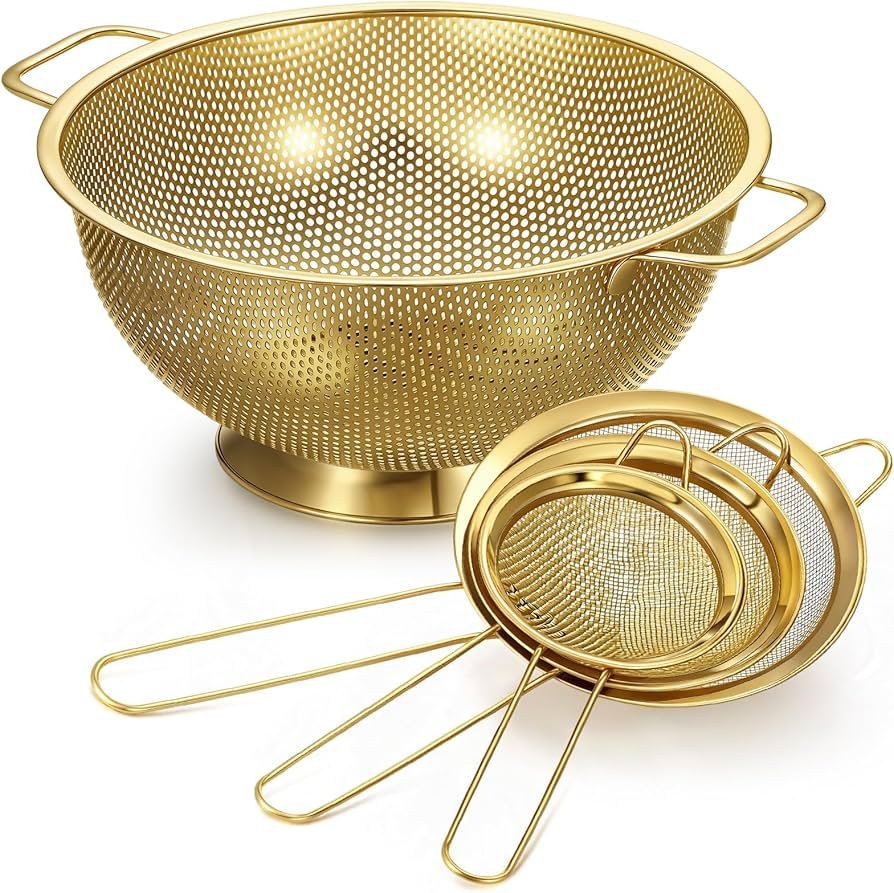
- Stainless steel
- Rinse and scrub with dish soap.
- Use baking soda for stains.
- Dishwasher-safe in most cases.
- Plastic
- Avoid very hot water if thin or warped.
- Use baking soda paste for stains.
- Check dishwasher label.
- Silicone
- Soak in warm soapy water.
- Dishwasher-safe but avoid high-heat drying if low quality.
- Copper or brass
- Use mild acidic cleaners like lemon and salt.
- Polish occasionally to prevent tarnish.
- Enamel-coated
- Avoid abrasive pads that can chip the enamel.
- Use gentle soaps and soft brushes.
Knowing how to clean a colander by its material prevents damage and keeps it functional.

Removing stubborn food and odors
- Soak in warm, soapy water for 15–30 minutes to loosen stuck bits.
- Use an old toothbrush to push food from each hole.
- For grease, apply a paste of baking soda and water, scrub, and rinse.
- For lingering odors, soak in a vinegar solution (1 part vinegar to 3 parts water) for 20 minutes, then rinse.
- If smells persist, leave the colander in direct sunlight for an hour to air out.
My tip: run a small stream of water through the holes while scrubbing. The water flushes debris and makes the job faster.

Drying and storing properly
- Shake off excess water and dry with a clean towel.
- Air-dry upside down on a rack to let water drain.
- Store in a dry place away from humidity.
- Stack carefully to avoid trapping moisture between items.
Moisture left in holes invites mildew. A simple habit of towel-drying or air-drying keeps the colander ready for the next use.
Maintenance tips and mistakes to avoid
- Do not let food sit in the colander for hours.
- Avoid abrasive steel wool on painted or delicate surfaces.
- Don’t use boiling water on thin plastic colanders.
- Replace if holes warp or cracks form.
- Clean the colander handle and rim after each use.
I once used abrasive pads on a cheap colander and accidentally removed a coating. It taught me to test cleaners on a small spot first. Gentle cleaning is often the best long-term care.
When to replace your colander
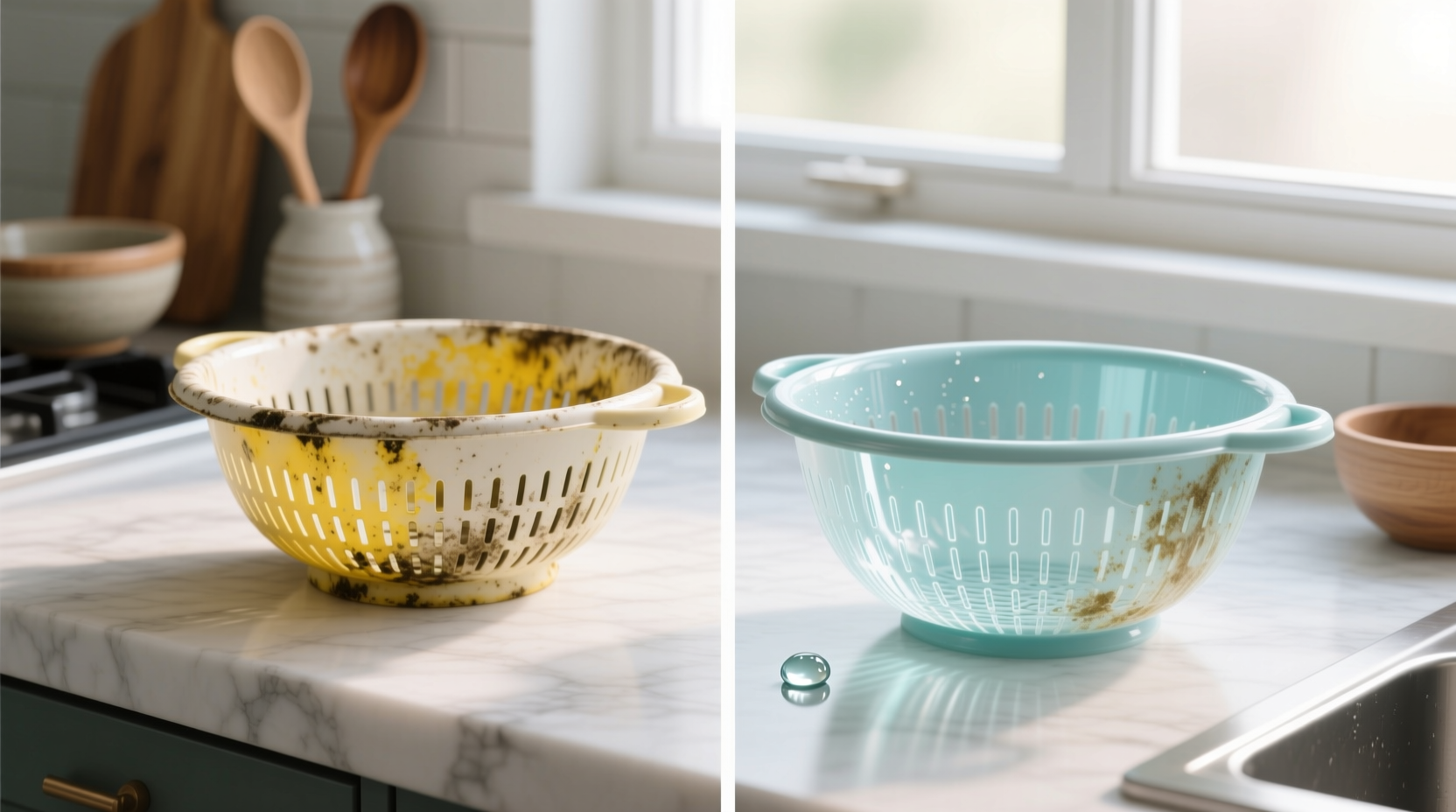
- Visible cracks or warping that trap food.
- Rust spread that won’t come off with scrubbing.
- Persistent odors after multiple cleanings.
- Holes enlarged or misshapen from wear or heat.
A well-cared-for colander can last years. Still, replace it if it becomes a hygiene risk. Knowing how to clean a colander helps you decide when repair becomes replacement.
Frequently Asked Questions of how to clean a colander
How often should I clean my colander?
Clean the colander after every use to avoid bacteria and odors. A quick rinse and scrub usually suffice.
Can I put my colander in the dishwasher?
Many stainless steel and sturdy plastic colanders are dishwasher-safe. Check the manufacturer’s label first.
What’s the best way to remove stuck pasta bits?
Soak in warm, soapy water for 15 minutes, then scrub holes with a toothbrush. Use boiling water for fatty residue if the material allows.
Is vinegar safe for cleaning all colanders?
Vinegar works for most materials but avoid prolonged use on certain metals like untreated copper. Rinse well after use.
How do I remove rust from a metal colander?
Use a paste of baking soda and water and scrub gently. For severe rust, a short bleach soak can help, followed by thorough rinsing.
Will bleach damage my colander?
Bleach can damage some plastics and finishes. Use diluted bleach sparingly and only on materials labeled safe for it.
Conclusion
Cleaning a colander is quick when you know the right steps. Rinse after use, scrub holes regularly, and deep-clean with baking soda, vinegar, or boiling water as needed. Match methods to material, avoid abrasive mistakes, and replace the tool when it becomes unsafe. Try one deep-clean method this week and make quick rinses a habit to keep your colander fresh and ready. Share your cleaning wins or questions below, or subscribe for more simple kitchen care tips.