

Season a carbon-steel wok with wooden handles by cleaning, heating, and oiling repeatedly for a strong nonstick finish.
I’ve seasoned dozens of woks with wooden handles in home kitchens and small restaurants. In this guide I’ll show you why seasoning matters, the exact tools to use, a clear step-by-step method, maintenance tips, and how to avoid common mistakes when you season a wok with wooden handles. Read on to get a durable, food-safe patina that makes stir-frying easier and more flavorful.

Why season a wok with wooden handles?
Seasoning creates a thin, hard layer of polymerized oil. This layer protects carbon-steel or iron woks from rust. It also builds natural nonstick properties that improve with use. Wooden handles change a few steps because they cannot be soaked or put over very high heat for long. Knowing how to season a wok with wooden handles keeps the wood safe and the metal well-protected.

What you need to season a wok with wooden handles
Gather simple items before you start. Use tools and oils meant for high heat and food use.
- Wok type: Carbon-steel or bare iron wok with wooden handles, cleaned and dry.
- Cleaners: Mild dish soap, a soft scrubber, and a metal scrubber for rust spots.
- Oils: High smoke-point oil like grapeseed, canola, sunflower, or peanut oil.
- Heat source: Gas stove, induction, or outdoor burner.
- Accessories: Tongs, paper towels or cloth, oven-safe foil, and a heatproof brush or folded paper towel.
- Optional: A metal steamer rack or wok ring to protect the handle during heating.
Having the right items makes it easier and safer to season a wok with wooden handles.
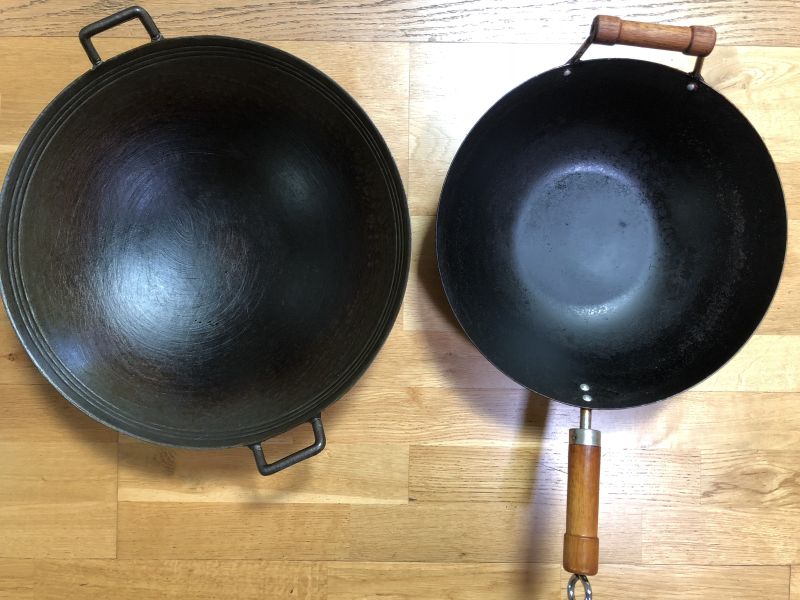
Step-by-step: How to season a wok with wooden handles
Follow these clear steps. Read each step first, then work slowly.
- Wash the new wok with hot soapy water to remove factory oil. Rinse and dry completely. Use a towel and brief stove heat to remove all moisture.
- Remove rust or mill scale (if present)
- Scrub stubborn spots with steel wool until bare metal shows. Rinse, dry, and heat briefly to evaporate water.
- Protect the wooden handle
- Wrap the wooden handle with a double layer of heavy-duty foil, leaving the bowl of the wok exposed. Alternatively, use a metal wok ring so the handle sits away from direct flame. This prevents cracks and charring during the seasoning heat.
- Preheat the wok
- Place the wok on medium heat. Heat until a light blue tint or faint smoke appears. This drives off any residual moisture and opens the metal pores.
- Apply a thin layer of oil
- Turn heat to medium-high. Using tongs and a paper towel dipped in oil, rub a very thin coat of oil inside the bowl. Wipe away excess so the surface looks barely shiny. Too much oil causes sticky patches.
- Polymerize the oil
- Keep the wok over medium-high heat. Let the oil smoke lightly and darken. Tilt and rotate the wok so heat covers the entire interior. The oil should change color from pale to golden, then to brown or bluish-black. This is polymerization forming the patina.
- Cool and repeat
- Turn off heat and let cool slightly. Remove foil from the handle once the wok is cool to touch. Repeat the oil-heat cycle 4 to 6 times on the first session to build a basic layer. For a stronger patina, repeat seasoning over several cooking sessions.
- Final wash and maintenance
- After the initial seasoning session, wipe the wok with a warm paper towel. Avoid heavy soap. Each time you cook with oil at medium-high heat you add layers. This is how you naturally build the best nonstick finish.
These steps show exactly how to season a wok with wooden handles without harming the handle or your cookware.

Maintenance and daily care after you season a wok with wooden handles
Good care preserves the patina and the wooden handle.
- Clean after use: Rinse with hot water and use a soft brush. Avoid soap unless necessary.
- Dry immediately: Heat briefly on the stove to evaporate water and then wipe with oil while warm.
- Re-oil lightly: Rub a thin layer of cooking oil after drying for storage.
- Avoid soaking: Never submerge the wooden handle in water for long periods.
- Use appropriate heat: High heat is fine for stir-fry, but avoid sudden, prolonged flame contact on the handle.
Consistent, small steps keep your wok seasoned and your wooden handle intact.

Troubleshooting and common mistakes when you season a wok with wooden handles
Here are frequent issues and how to fix them.
-
Sticky or gummy surface
- Cause: Too much oil during seasoning.
- Fix: Heat the wok until the sticky layer chars, then scrub lightly and re-season with thinner coats.
-
Rust spots appear
- Cause: Water left on metal or storage in humid places.
- Fix: Scrub rust away, dry, and re-season. Store in a dry spot and keep a light oil coat.
-
Cracked or charred wooden handle
- Cause: Direct flame or overheating the handle during seasoning.
- Fix: Sand rough spots, treat with food-safe mineral oil, and wrap with foil next time while seasoning.
-
Uneven patina
- Cause: Uneven heat distribution or skipping steps.
- Fix: Re-season while rotating wok to ensure even heat and thin oil layers.
These tips help you troubleshoot after you season a wok with wooden handles.
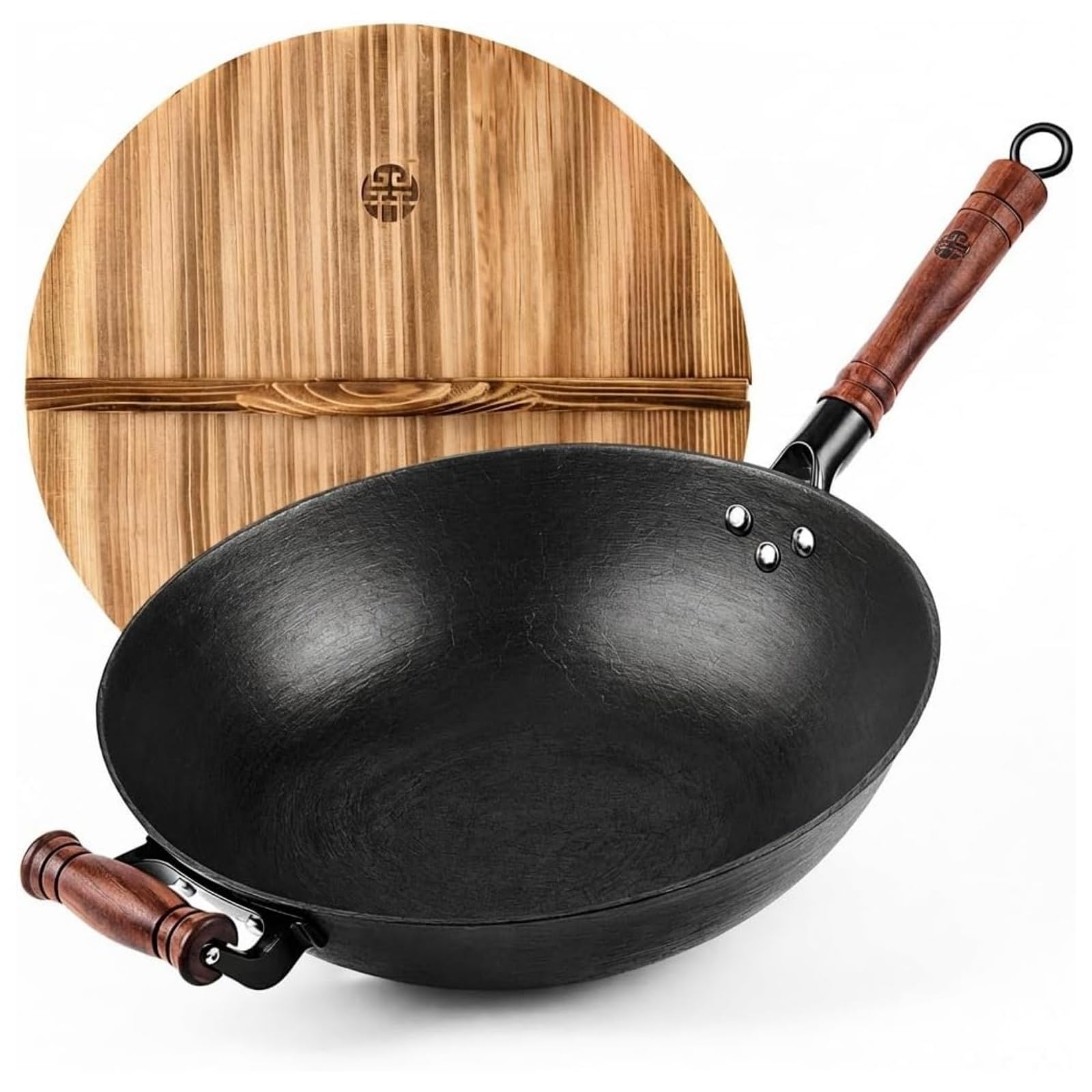
Safety and handling tips for wooden handles
Wood adds beauty and safety but needs care.
- Keep handle dry to prevent swelling and rot.
- Do not leave wok unattended on high flame with the handle exposed.
- Wrap or shield the handle during long seasoning or high-heat sessions.
- If replacing the handle, choose food-safe wood and secure it tightly.
Safe handling extends the life of both the handle and the wok.
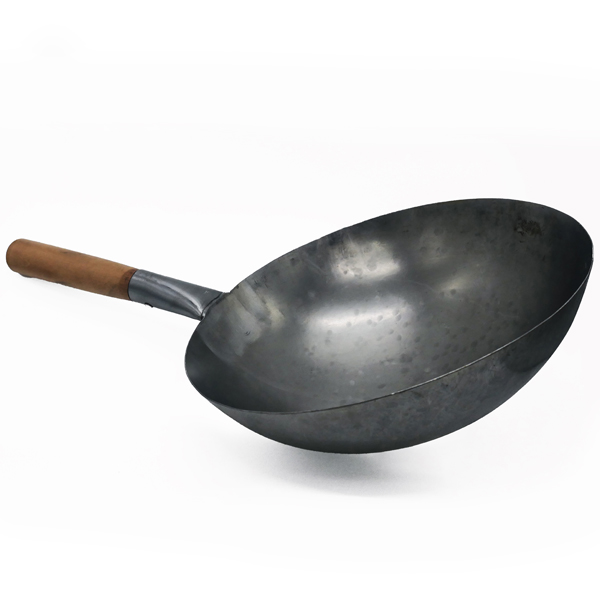
Personal tips from experience
I’ve seasoned many carbon-steel woks for home cooks. I once overheated a handle and had to sand and oil it back to life. The best results came from thin, patient seasoning. Also cooking oil-rich dishes over time gave the most durable nonstick finish. Treat the wood with respect, and the wok will reward you with better flavor and easier cleanup.
When you season a wok with wooden handles, expect to repeat the process a few times. It gets better with every meal.

Frequently Asked Questions of how to season a wok with wooden handles
How often should I season a wok with wooden handles?
Season a new wok 4 to 6 times in your first session. Then add thin oil layers after each few uses or when food starts sticking.
Can I put a wok with a wooden handle in the oven to season it?
No. Oven seasoning risks drying and cracking the wooden handle. Use a stove or outdoor burner and protect the handle with foil.
Is it safe to use any cooking oil to season a wok with wooden handles?
Use high smoke-point oils like grapeseed, canola, or peanut oil. Low smoke-point oils can burn and create a weak patina.
What if my wooden handle smells after seasoning?
A faint smell can happen if the handle heats briefly. If the smell is strong, cool the wok, clean any char, and treat the wood with food-safe mineral oil.
Can I remove rust from a wok with a wooden handle without damaging the wood?
Yes. Scrub the rust from the metal only, then dry and re-season. Protect the handle with foil or a ring while you work.
How long does it take for the nonstick surface to develop after I season a wok with wooden handles?
You’ll see improvement after the initial 4 to 6 seasoning cycles. A truly deep patina forms over weeks of regular cooking.
Conclusion
Seasoning a wok with wooden handles is simple when you use the right steps. Clean well, protect the wood, apply thin oil coats, and heat patiently. Regular care and small maintenance actions will strengthen the patina and keep the handle safe. Try the step-by-step method this week and cook a favorite stir-fry to speed up the seasoning process. If you found this helpful, leave a comment, share your experience, or subscribe for more practical cookware tips.