
Fill rinse aid in the dishwasher by opening the dispenser, pouring to the fill line, then closing the cap.
I’ve worked with dishwashers for years and have filled hundreds of rinse aid dispensers. This guide explains exactly how to fill rinse aid in dishwasher models, why it matters, tips I learned on the job, and simple troubleshooting so you get spot-free dishes every time.
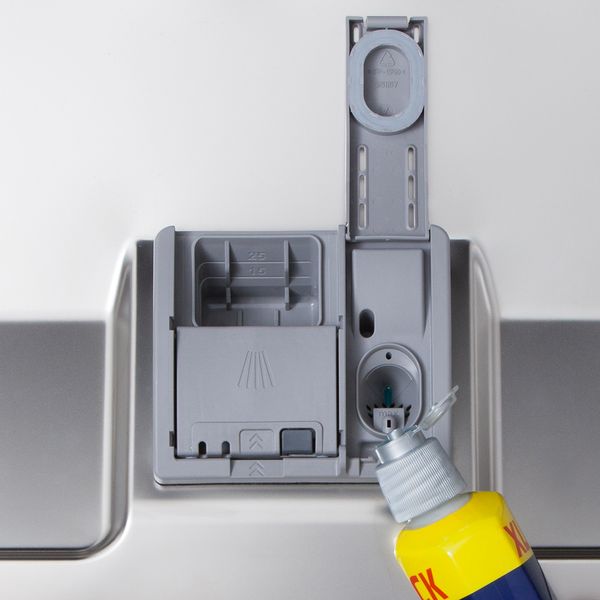
Why rinse aid matters for clean, dry dishes
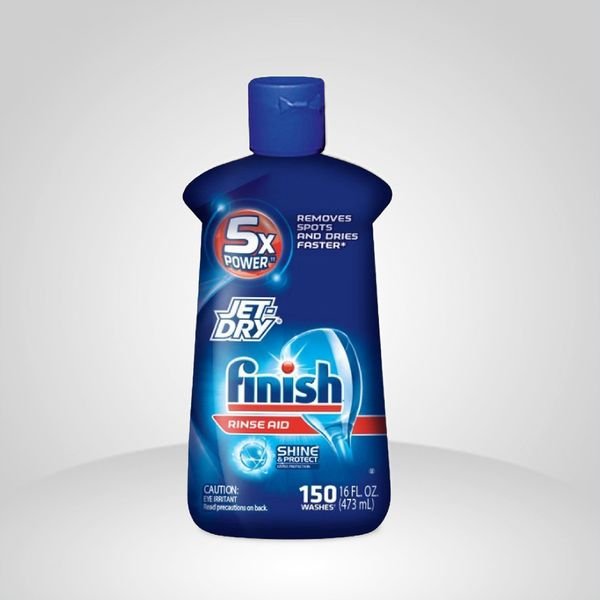
Rinse aid helps water sheet off plates and glass. It reduces spots, improves drying, and saves energy by shortening heated dry cycles.
Using rinse aid correctly matters more in hard-water areas, where mineral spots and film appear fast. I once stopped using rinse aid and saw cloudy wine glasses in two weeks. Switching back fixed the issue.
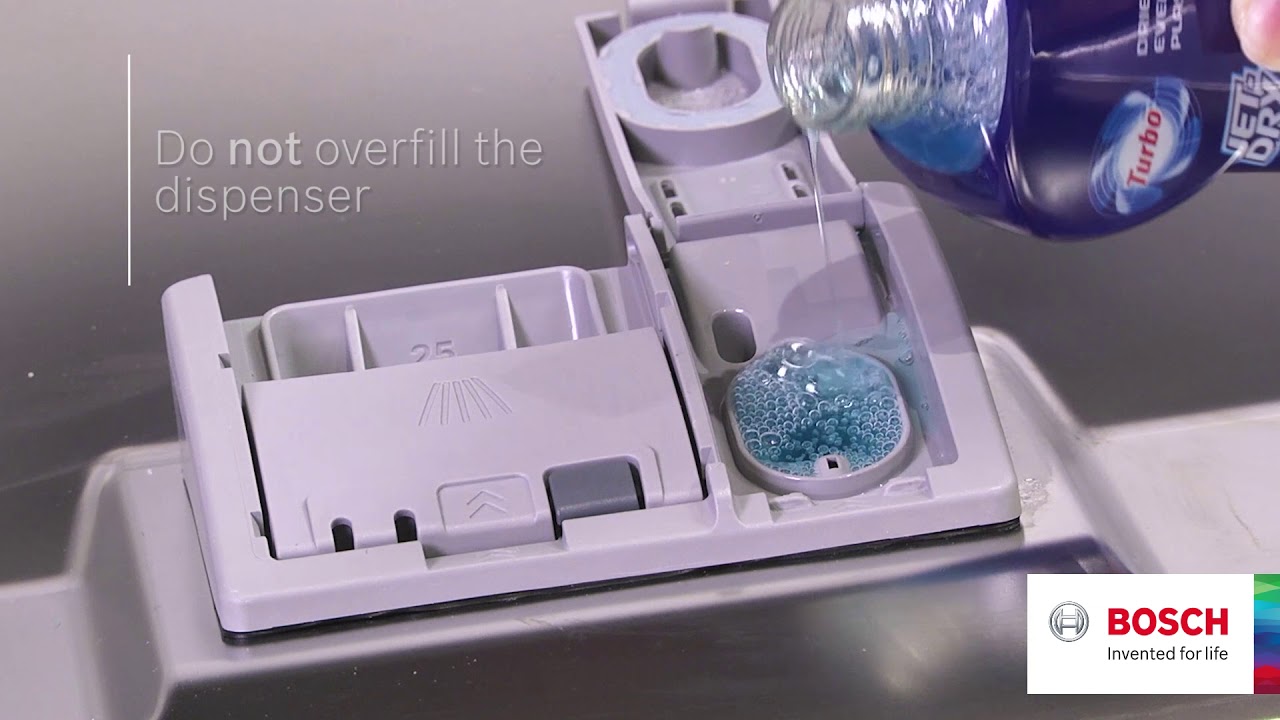
Where to find the rinse aid dispenser
Most dishwashers have a rinse aid reservoir on the inside of the door near the detergent cup. Some models hide it under a flip-up cap or behind a small twist cap. If you can’t spot it, check the user manual or look for a small round cap labeled with a droplet icon.
Knowing where to locate the dispenser is the first step in learning how to fill rinse aid in dishwasher models of all brands.
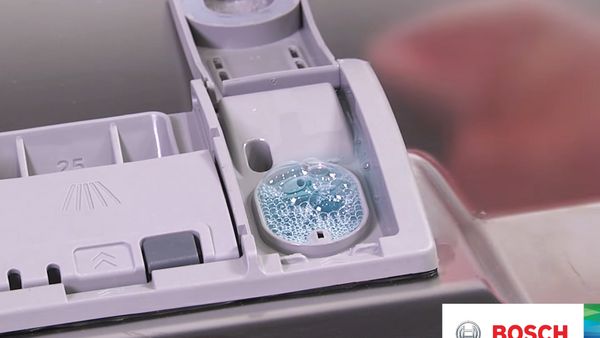
How to fill rinse aid in dishwasher — step-by-step
Follow these steps to fill rinse aid in dishwasher units safely and quickly. I use this same method for every model I service.
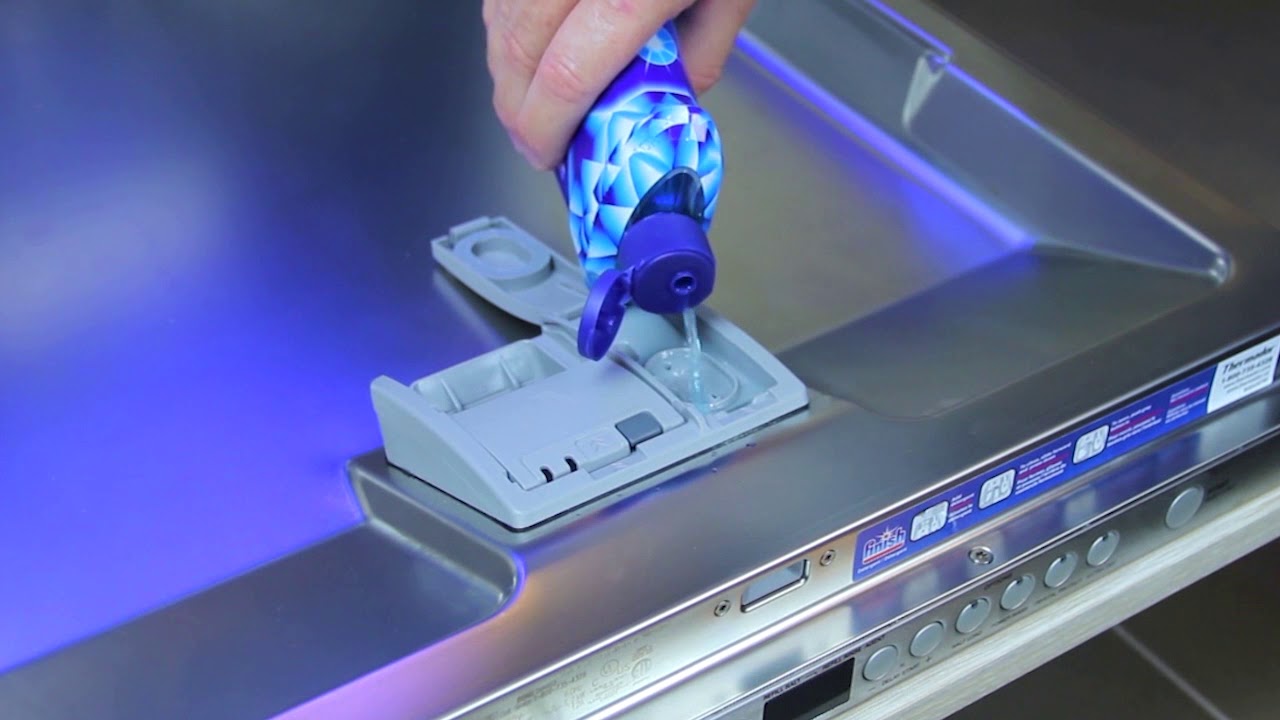
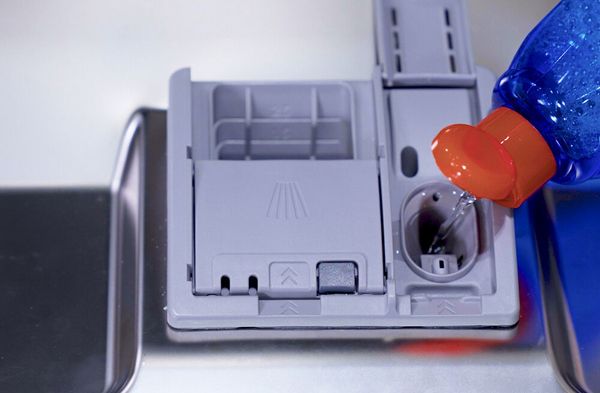
- Open the dishwasher door and locate the rinse aid cap near the detergent dispenser.
- Flip or unscrew the cap to expose the reservoir.
- Place a towel under the cap in case of drips.
- Pour the rinse aid into the reservoir slowly until it reaches the fill line or indicator.
- Close the cap securely and wipe any spills from the door and gasket.
- Run a normal cycle to let the rinse aid disperse.
If you’re still learning how to fill rinse aid in dishwasher types, try a small test pour and check the indicator window. Most reservoirs hold enough for many cycles. I recommend practicing once while the dishwasher is empty to build confidence.
How much rinse aid to use and setting the dispenser
Most dispensers have adjustable settings from low to high. A middle setting is a good start.
Adjust higher in hard-water areas or when you see spots. Lower the setting if you notice streaks or white residue.
Follow manufacturer guidance and reset the dial if you change brands; concentrate and viscosity vary, which affects how the rinse aid doses. Learning how to fill rinse aid in dishwasher units includes setting the dial right for your water type.
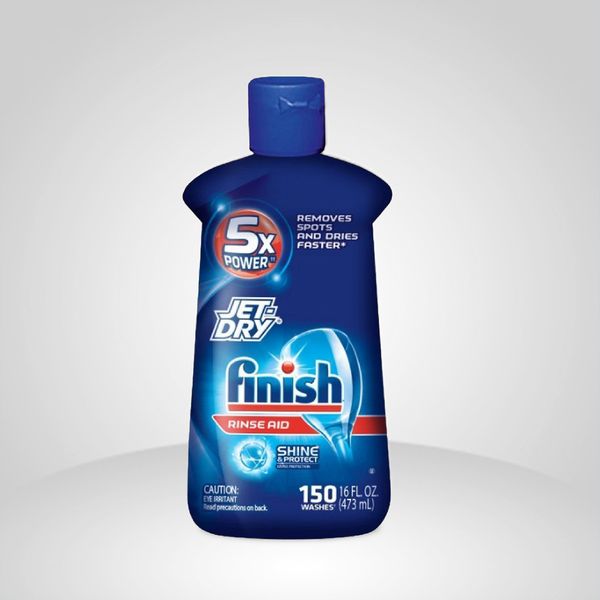
Common mistakes and troubleshooting
Many people pour the rinse aid into the detergent cup by mistake. That wastes product and can affect wash performance.
Overfilling the reservoir can cause leaks and foam. Underfilling causes spots.
If rinse aid won’t fill, check for a blocked nozzle or a stuck cap. If dishes are still spotted, try increasing the setting or running a quick vinegar rinse to remove mineral buildup, then refill the rinse aid. Knowing how to fill rinse aid in dishwasher models helps prevent these errors.

Maintenance, frequency, and eco tips
Refill the rinse aid when the indicator shows low, or roughly every 1–2 months with regular use. Heavy use or hard water may require refills more often.
Store rinse aid in a cool, dry place and keep the bottle sealed to avoid spills. Use the dispenser setting to avoid waste; more rinse aid does not always mean cleaner dishes.
I learned to keep a small log on the fridge for homes with lots of cycles. This simple habit helps me know when to check the reservoir and how to fill rinse aid in dishwasher units before problems start.
People also ask
How often should I add rinse aid?
Add rinse aid when the indicator shows low or about every 1–2 months with typical use. Frequency rises with harder water and more cycles.
Can I use vinegar instead of rinse aid?
White vinegar can reduce spots but may damage rubber seals if used regularly. Rinse aid is formulated to be safe for dishwasher parts.
Will rinse aid fix cloudy glasses?
Yes, rinse aid reduces clouding and spotting by helping water drain evenly from glassware. Persistent clouding may be mineral etching, which rinse aid cannot reverse.
Frequently Asked Questions of how to fill rinse aid in dishwasher
How do I open the rinse aid cap?
Most caps twist or flip up; press the tab or turn counterclockwise to open. Check the manual if the cap is stiff or unusual.
Can I overfill the rinse aid reservoir?
Yes. Overfilling can cause leaks, foaming, or product waste. Fill only to the fill line or indicator.
What if my dishwasher has no rinse aid indicator?
Open the reservoir and check visually. Mark a refill date on your calendar and check every 30–60 days depending on use.
Is rinse aid safe for all dishware?
Rinse aid is safe for glass, ceramics, and most dishware. For delicate items, follow the manufacturer’s care instructions and test one item first.
Can I use a homemade rinse aid?
Homemade mixes may reduce spots but can harm seals or void warranties. Manufactured rinse aids are tested for dishwasher safety.
Conclusion
Filling rinse aid in dishwasher units is quick and makes a big difference in dry, spot-free dishes. Locate the reservoir, pour to the fill line, set the dispenser for your water type, and refill as needed. Try these steps on your next refill and watch your glasses and plates shine. If this guide helped, leave a comment, subscribe for more appliance tips, or share your rinse aid questions below.