
Store beef in the fridge for a few days and freeze long-term in airtight, labeled packs.
I’ve spent years working in kitchens and buying bulk meat for my family, so I know the common traps and simple fixes for how to store beef safely and smartly. This guide covers everything from fridge vs. freezer choices to packaging, thawing, shelf life, and practical tips that save money and reduce waste while keeping food safe.
Why proper beef storage matters
Proper storage keeps beef safe to eat, keeps flavor, and stops waste. Harmful bacteria grow when beef sits at wrong temperatures. Good storage also saves money by avoiding freezer burn and off-flavors.
I draw on hands-on kitchen experience and food-safety guidance to explain how to store beef step by step. Read on to learn clear, usable methods you can apply today.

Fresh versus frozen: when to refrigerate or freeze
Fresh whole cuts can stay in the fridge for a few days. Ground beef and thin cuts spoil faster and should be cooked or frozen sooner. Freeze beef when you don’t plan to use it within fridge-safe times.
Decide how to store beef based on how soon you’ll use it and what cut you have. Freezing locks quality but needs right wrapping and labeling to avoid freezer burn.

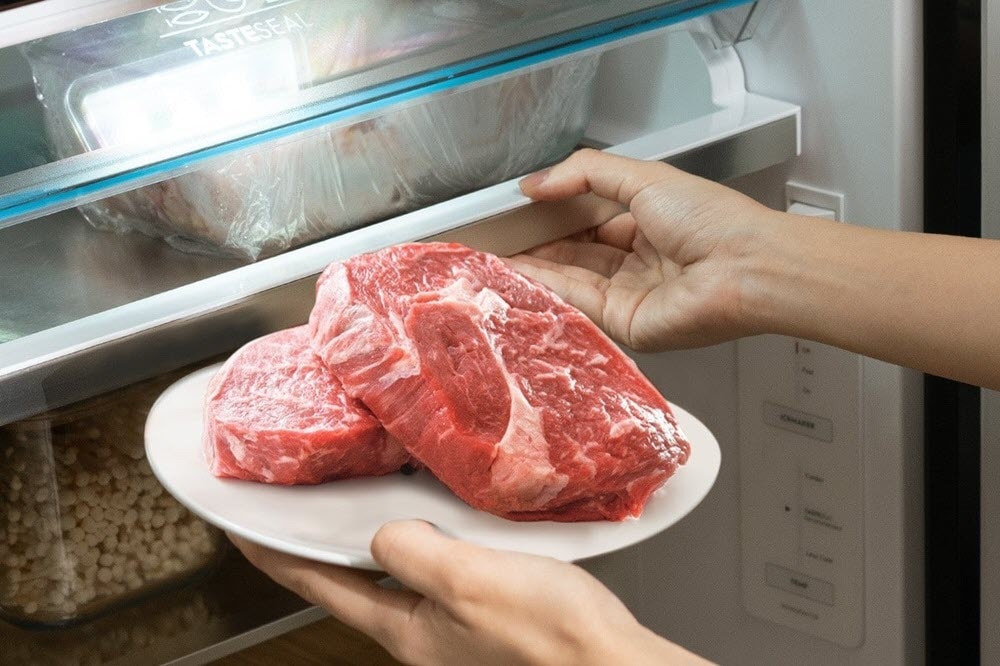
How to store beef safely in the refrigerator
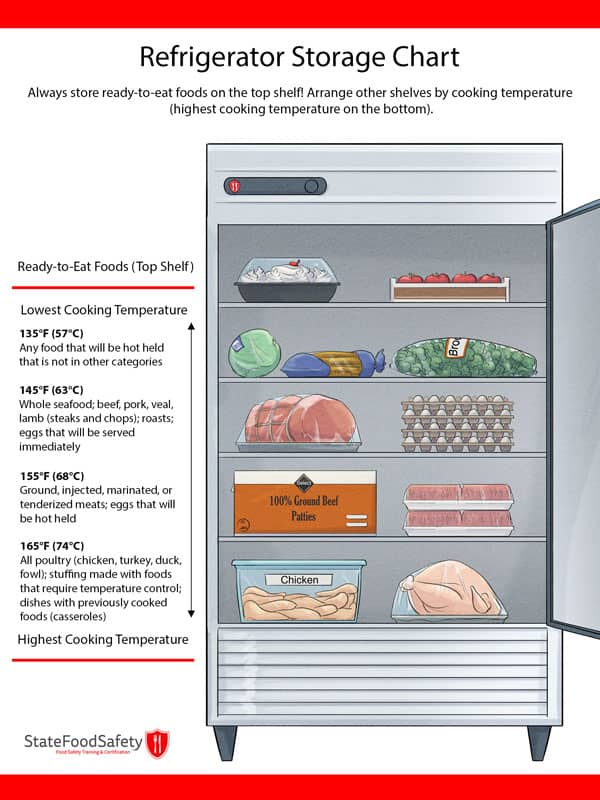
Keep fridge temperature at 40°F (4°C) or below. Store raw beef on the bottom shelf in a shallow tray to catch drips. Keep packages sealed and away from ready-to-eat foods.
Use raw beef within recommended times:
- Whole cuts: 3 to 5 days in the fridge.
- Ground beef: 1 to 2 days in the fridge.
- Cooked beef: 3 to 4 days in the fridge.
Check temperature and don’t overload the fridge, so cold air circulates.
How to store beef safely in the freezer
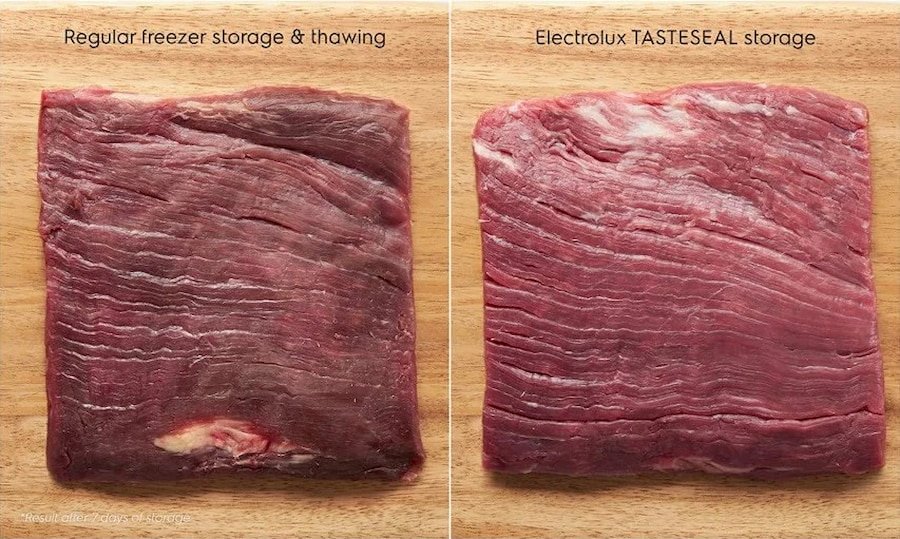
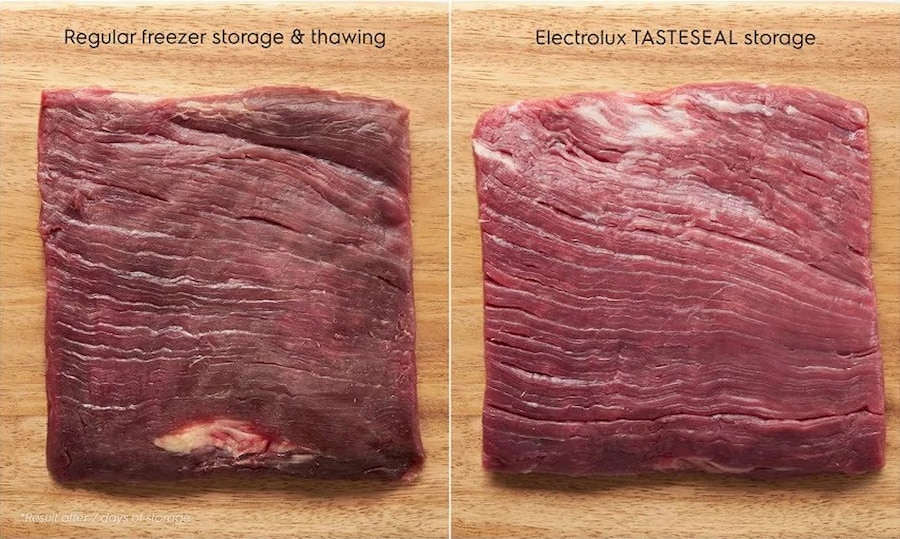
Set the freezer at 0°F (-18°C) or colder. Freeze beef as soon as possible if you won’t use it soon. Use airtight packaging to prevent freezer burn and loss of quality.
Steps to freeze beef:
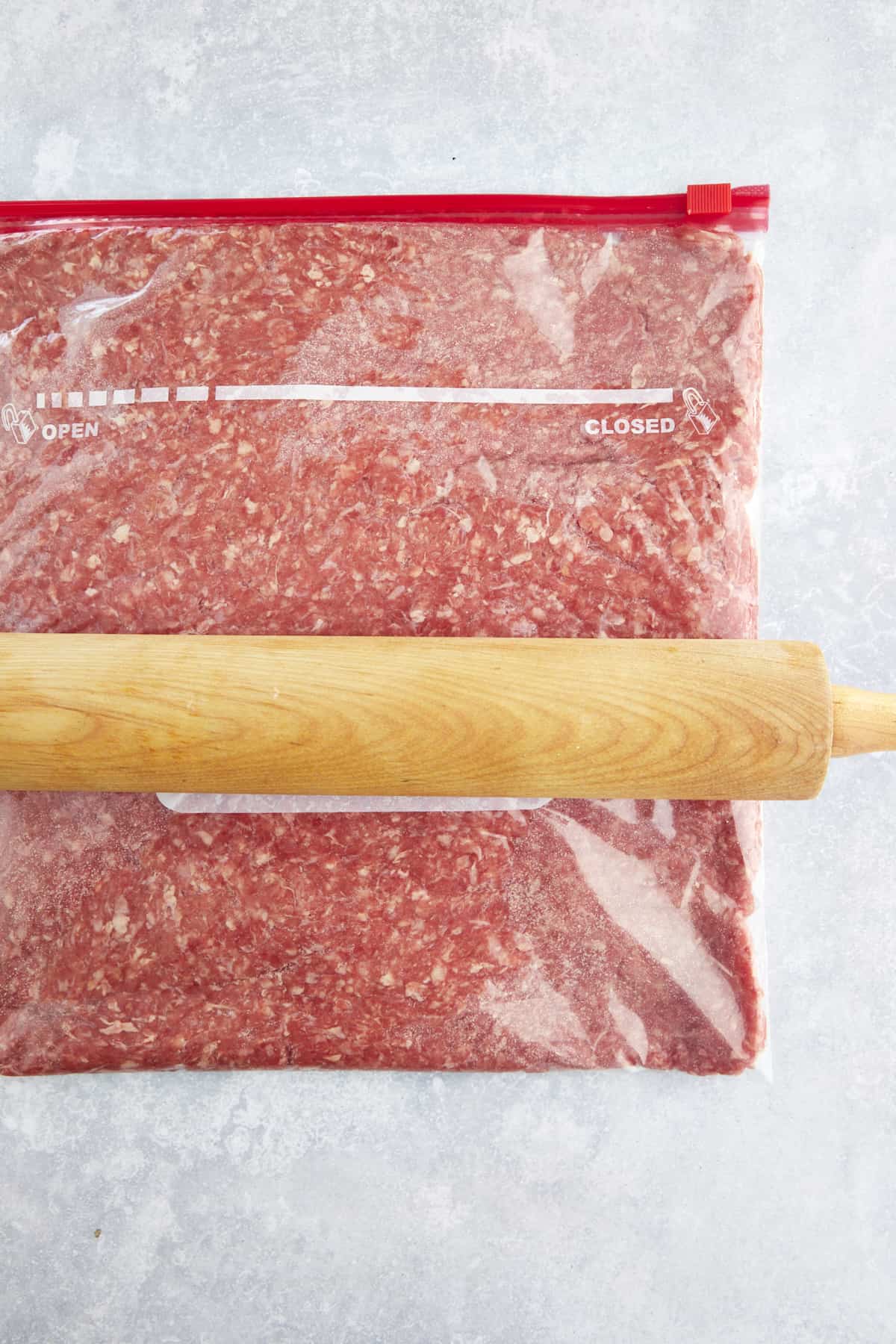
- Pat meat dry and portion into meal-size pieces.
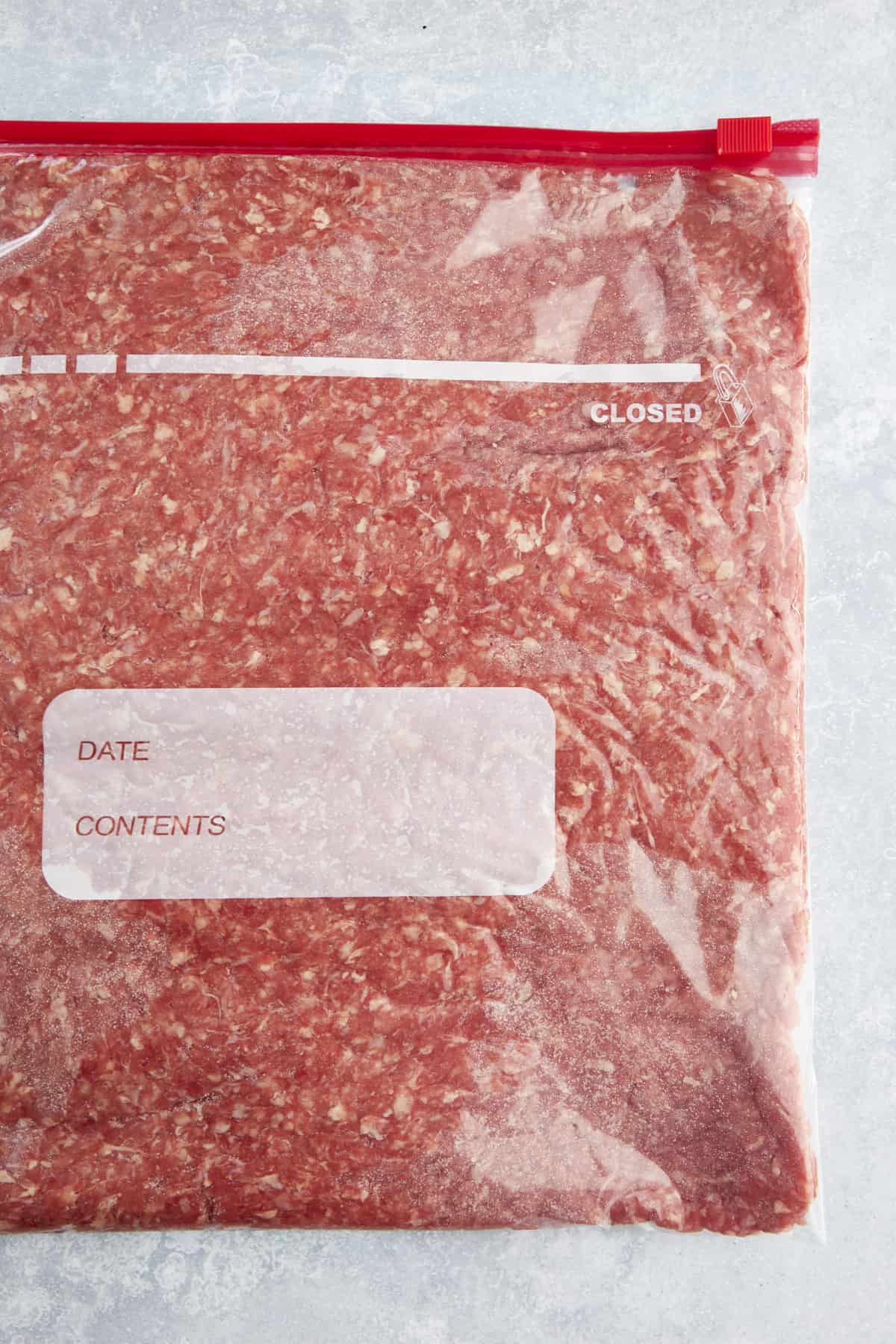
- Wrap tightly in plastic wrap, then in foil, or use freezer paper.
- Or vacuum-seal for best long-term quality.
- Label with contents and date before freezing.
Typical freezer storage times:
- Steaks and roasts: 6 to 12 months for best quality.
- Ground beef: 3 to 4 months for best quality.
- Cooked beef: 2 to 3 months.
Source: co.id
Packaging methods and tips
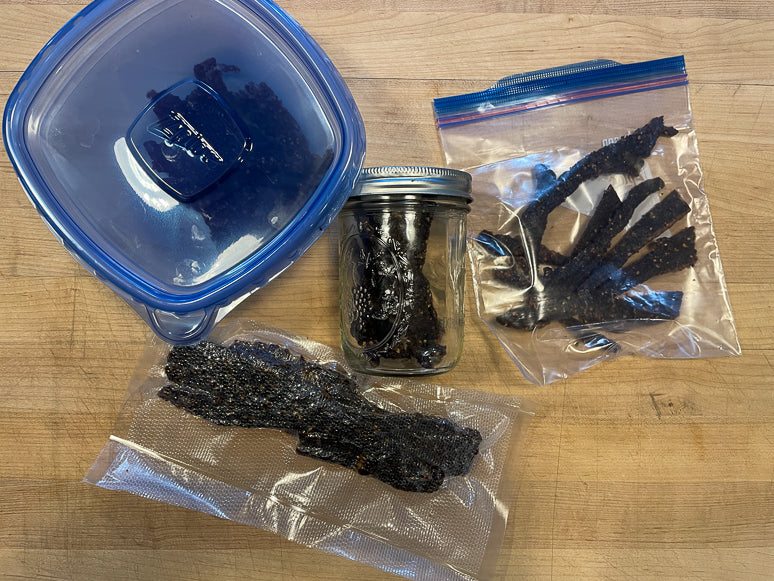
Good packaging keeps air away and stops moisture loss. Use one of these methods:
- Vacuum sealing: Best barrier against air and freezer burn.
- Double-wrap: Plastic wrap then foil or freezer paper for airtight seal.
- Resealable freezer bags: Squeeze out as much air as possible before sealing.
Always label packages with cut and date. Write legibly so you know what to use first. I learned to date everything after one too many mystery packages in my freezer.
Thawing and refreezing guidelines
Thaw beef safely in the fridge, in cold water, or in the microwave. Fridge thawing keeps meat at safe temperatures but takes longer. Cold-water thawing is faster if you change water every 30 minutes.
Refreezing cooked beef is fine if cooled and stored correctly. Refreezing raw beef after thawing in the fridge is safe but may reduce quality. Never refreeze beef thawed at room temperature.

Shelf life by cut and state
Know the rough clock for how long to store beef. These are best-practice windows for quality and safety:
- Fresh steaks and roasts in fridge: 3–5 days.
- Fresh ground beef in fridge: 1–2 days.
- Frozen steaks/roasts: 6–12 months.
- Frozen ground beef: 3–4 months.
- Cooked beef refrigerated: 3–4 days.
- Cooked beef frozen: 2–3 months.
When in doubt, use the smell, feel, and color checks below before cooking.
Common mistakes and how to avoid them (real-world tips)
Mistake: Freezing in thin supermarket wrap. Result: Freezer burn. Fix: Rewrap in heavier foil, freezer paper, or vacuum-seal.
Mistake: Leaving beef at room temperature to “come to room temp” too long. Result: Bacteria growth. Fix: Limit time at room temp to 30–60 minutes before cooking.
Mistake: Forgetting to date packages. Result: Waste and mystery meat. Fix: Always label with date and name.
From my experience, batch-labeling and dividing meat into meal portions saves time and reduces waste. It also helps you use older packages first.
Food safety signs: when beef is bad
Trust your senses but also follow rules. Signs beef may be bad:
- Sour or rotten smell that won’t go away after airing.
- Slimy or sticky texture on the surface.
- Unusual green or brown patches inside a cut, not just surface oxidation.
If in doubt, throw it out. Eating unsafe beef risks foodborne illness and is not worth saving a few dollars.
Storage differences: ground beef, whole cuts, and cooked beef
Ground beef has more surface area and loses quality faster than whole cuts. Whole cuts stay fresh longer in the fridge. Cooked beef should be cooled quickly and refrigerated in shallow containers.
For leftovers, cool within two hours and divide into small portions to chill faster. Reheat leftovers to 165°F (74°C) before eating.
Environmentally friendly storage and reducing waste
Buy only what you can use in time or freeze in portions. Use reusable silicone bags, glass containers, or vacuum sealing to cut single-use plastic. Rotate stock using a first-in, first-out system.
Plan meals around older frozen packages and use bones for broths to get full value. Small steps help your wallet and the planet.
Quick answers people also ask
Q: How long can raw beef sit out?
A: Raw beef should not sit at room temperature more than two hours or one hour above 90°F; bacteria grow fast.
Q: Can I freeze beef twice?
A: You can refreeze beef that was thawed in the fridge, but quality may drop. Avoid refreezing if it was thawed at room temperature.
Q: Does freezing kill bacteria?
A: Freezing stops bacterial growth but does not kill all bacteria. Proper cooking and storage are still essential.
Frequently Asked Questions of how to store beef
How long can I store raw beef in the refrigerator?
Raw whole cuts can last 3–5 days in the fridge. Ground beef should be used within 1–2 days for safety and quality.
What is the best way to freeze beef to avoid freezer burn?
Wrap tightly in plastic and foil or use vacuum sealing to remove air. Label clearly with date and use within recommended times.
Can I store beef in the door of the refrigerator?
No. The door is warmer and has temperature swings; store beef on the bottom shelves where it is coldest and consistent.
How do I thaw beef quickly and safely?
For quick thawing, use sealed meat in cold water, changing water every 30 minutes, or use the microwave’s defrost setting and cook immediately.
Is it safe to cook beef from frozen?
Yes. You can cook beef from frozen but add extra cooking time and ensure the internal temperature reaches a safe level. Ground beef may cook unevenly from frozen, so monitor carefully.
Can I marinate beef and then freeze it?
Yes. Marinating before freezing works well and can enhance flavor. Freeze in airtight containers and cook from thawed or straight from frozen if appropriate.
Conclusion
Storing beef right keeps it safe, tasty, and valuable. Use the fridge for short-term use and freeze with airtight packaging for long-term storage, always label and date, and follow safe thawing rules. Start applying these simple steps tonight: portion, wrap well, and label before you stash meat away. Try one tip from this guide, leave a comment about your storage wins, or subscribe for more practical kitchen advice.