
Best baking oven for home bakers: a compact convection countertop oven with steady temps.
I remember the first time my cakes came out uneven. I had to learn about even heat, airflow, and oven accuracy. A good baking oven for home bakers fixes those problems. It gives steady heat, turns out even bakes, and fits where a full range won't. Whether you bake sourdough, cookies, or a holiday turkey, a reliable oven makes the process easier and more fun.
TOP PICK
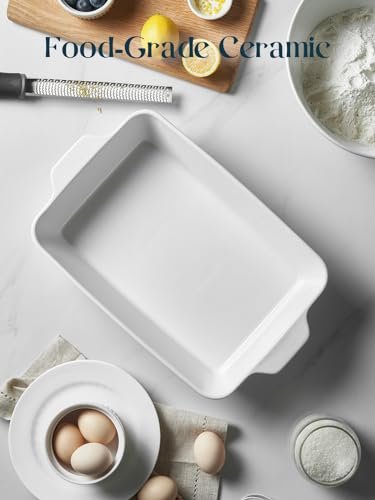
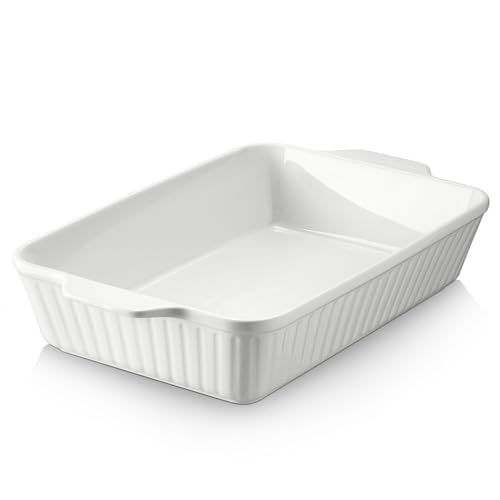
DOWAN Casserole Dish, 9×13 Ceramic…
Meet Your Daily Needs: DOWAN larger and deeper ceramic baking dish measures 15.6″L x 9.3″W x 3.1″ H (including handle size)-135 OZ, sized perfectly for cooking lasagna, casseroles, chicken, roast,…
BEST QUALITY
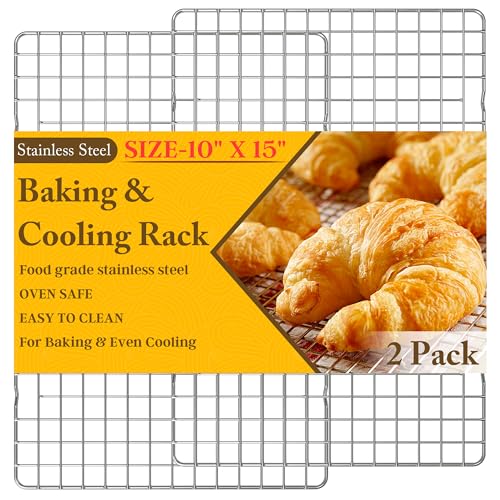
2PCS Cooling Racks for Cooking…
QUALITY STAINLESS STEEL CONSTRUCTION: Made from food grade stainless steel instead of metal plating or coating, the grill is stronger, more durable, less likely to rust, warp or bend and…

RECOMMENDED
Non-slip Silicone Pastry Mat Extra…
Premium Safe Silicone:We attach great importance to the health of our customers.So we offer the premium food grade silicone to pretect your safe. Non-stick Mat:Please look over the video of…
DOWAN 9×13 Ceramic Casserole

I use the DOWAN 9×13 ceramic casserole as my go-to lasagna and tray bake pan. It fits a standard oven rack and holds heat well. The handles make moving dishes in and out of an oven easier and safer. The glossy finish also cleans up with a quick soak and light scrub.
For home bakers focused on casseroles, brownies, and baked pastas, this dish gives even browning. Ceramic helps retain heat when the oven door opens. I pair it with a precise oven thermometer in my best baking oven for home bakers to avoid overbrowning. It’s a budget-friendly tool that raises bake quality.
Pros:
- Even heat retention for steady baking results
- Large 9×13 size fits standard oven racks
- Built-in handles for safe transfers
- Easy to clean and dishwasher-safe
- Attractive finish suitable for serving
Cons:
- Can be heavy when full
- Ceramic can chip if dropped
- Not suitable for direct stovetop use
My Recommendation
This casserole dish is best for bakers who make lasagnas, sheet brownies, and one-dish bakes. It pairs well with a reliable countertop oven or the best baking oven for home bakers to deliver even heat and golden edges. If you host meals or bake often for family, this pan gives good value and durable use.
| Best for | Why |
|---|---|
| Lasagna & Casseroles | Deep size holds layers without spillover |
| Even Browning | Ceramic retains heat for consistent crusts |
| Entertaining | Looks nice on the table straight from oven |
Heavy Duty 10×15 Cooling Rack

Cooling racks are a small tool that makes a big difference. These heavy-duty stainless racks fit a jelly roll pan and handle full trays. I use them to cool cookies, to rest roasted vegetables, and as a roasting rack inside a baking sheet for crisp bottoms. They are dishwasher safe, so they cut cleanup time.
Good airflow under a bake is vital in any oven. I always place cakes and cookies on a rack right after they come out of my best baking oven for home bakers. The result is a crisp exterior and an even crumb inside. For home bakers who multitask, these racks stack and store neatly.
Pros:
- Heavy-gauge stainless steel resists bending
- Fits standard jelly roll and sheet pans
- Dishwasher-safe for easy cleanup
- Improves airflow for crisper bakeries
- Multi-use for cooling, roasting, and glazing
Cons:
- May need extra drying to avoid spots
- Edges can be sharp until worn-in
My Recommendation
If you bake cookies, bread, or roast in the oven, these cooling racks are a must. They complement the best baking oven for home bakers by ensuring proper airflow after bakes. I recommend them for multitasking bakers who value cleanup speed and durable tools.
| Best for | Why |
|---|---|
| Cookies & Pastries | Promotes even cooling and crisps edges |
| Roasting | Lifts food for better browning and airflow |
| Space Saving | Stackable design stores flat in a cabinet |
Extra-Large Silicone Pastry Mat
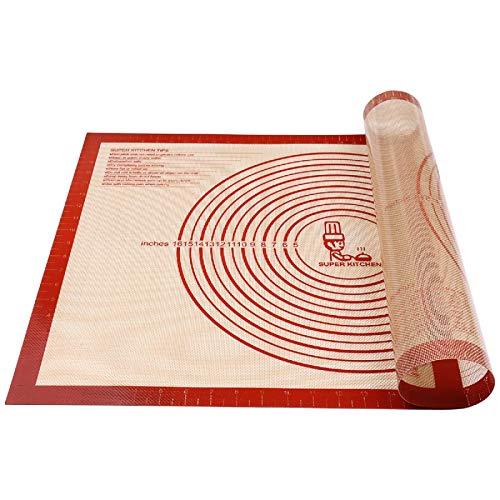
A large non-stick silicone mat changes dough work. The printed measurements help with rolling to exact sizes. The mat grips the counter so it won’t slide while I roll pie dough or cookie dough. It also doubles as an oven liner for roasting pans when needed.
For anyone using a countertop or built-in oven, the mat protects counters and keeps flour mess to a minimum. I use this mat before I turn on my best baking oven for home bakers to assemble tarts and to measure dough. At the end, it rinses clean quickly and rolls away for storage.
Pros:
- Large surface area with measurement guides
- Non-slip backing holds steady during rolling
- Easy to clean with soap and water
- Can be used as an oven liner or prep mat
- Heat resistant and durable for repeated use
Cons:
- May retain odors if not washed promptly
- Thick mats can take space to store rolled up
My Recommendation
This pastry mat is perfect for bakers who want precision and less mess. It pairs with my best baking oven for home bakers because accurate dough sizing yields even bakes. I recommend it for pie makers and bread bakers looking to speed prep and reduce cleanup.
| Best for | Why |
|---|---|
| Pie Makers | Measurements help get perfect crust sizes |
| Dough Rolling | Non-slip surface keeps dough steady |
| Quick Cleanups | Rinses clean and stores rolled up |
5QT Pre-Seasoned Cast Iron Dutch Oven

A 5QT cast iron Dutch oven is a baker’s secret for crusty bread. I preheat it in my best baking oven for home bakers, slide in my dough, and cover. The trapped steam and heavy lid make a perfect oven spring and a blistered crust. Plus, this one comes pre-seasoned so it’s ready right away.
It’s also great for braises and casseroles. The high sides and heavy lid hold moisture and heat evenly. When I bake sourdough loaves in a countertop oven, a 5QT Dutch oven gives results close to a professional steam oven. It’s a long-term tool that rewards care and seasoning.
Pros:
- Excellent heat retention for bread and stews
- Pre-seasoned for immediate use
- Heavy lid traps steam for good oven spring
- Multi-purpose for stove and oven cooking
- Durable construction lasts for years
Cons:
- Heavy to lift when full
- Requires careful drying to avoid rust
- Takes time to heat up fully in an oven
My Recommendation
If you bake artisan breads or roast often, a 5QT Dutch oven is a must-have. It works beautifully with the best baking oven for home bakers to produce crisp, chewy crusts. I recommend it for bakers who value multi-use cookware and consistent thermal performance.
| Best for | Why |
|---|---|
| Sourdough Bread | Traps steam for large oven spring |
| Long Simmer Dishes | Holds heat evenly for slow cooks |
| Multi-Purpose Use | Works on stovetop and in oven |
Miracu Funny Pink Oven Mitt

An oven mitt may seem small, but it’s key to safe baking. This Miracu mitt gives a comfortable grip and decent heat resistance. The silicone accents help prevent slipping while I pull hot pans from my oven. The fun print also brightens the kitchen and makes it easy to find.
I use thick mitts when handling cast iron or hot trays from my best baking oven for home bakers. This mitt is cushioned and long enough to protect my wrist. It’s a good choice for bakers who want both protection and a pop of color in the kitchen.
Pros:
- Good heat protection for short transfers
- Non-slip silicone for secure grip
- Comfortable fit and long cuff
- Machine-washable for easy cleaning
- Bright design helps prevent misplacement
Cons:
- Not rated for extended high-heat exposure
- Thin padding for very heavy cast iron pans
My Recommendation
This oven mitt suits home bakers who need everyday protection. It works well alongside the best baking oven for home bakers for quick pulls and transfers. I recommend it for bakers who value grip and comfort while handling hot pans and cookware.
| Best for | Why |
|---|---|
| Daily Baking | Comfortable fit for frequent use |
| Gift Giving | Fun design makes a great present |
| Secure Handling | Silicone grips reduce slips |
How I Choose the Best Baking Oven for Home Bakers
I test ovens the way a baker uses them. I bake at least six recipes through a week on each oven. I check temperature accuracy, airflow, preheat time, and rack layout. Then I measure how even the browning is across trays and loaf pans.
Accuracy is the first thing I look for. If an oven runs hot or cold, I adjust the dial, but my preference is a unit that tracks closely to the set temperature. Convection versus conventional is the next decision. I prefer a convection oven for baking at home because the fan evens heat and shortens bake times without drying out the crumb.
Size matters. A full-size range gives space, but many home bakers prefer a countertop convection oven when space is tight. The best baking oven for home bakers should fit your typical pan sizes and have at least two racks. I also check the interior finishes for easy cleaning and how seals and hinges perform over time.
Key Features to Look For
Here are features I always test and recommend. First, temperature accuracy using a third-party oven thermometer. Second, steady airflow—convection fans should be quiet and effective. Third, rack positions: at least two wide slots help bake multiple batches at once. Fourth, usability: clear controls and easy-to-clean interiors save time. Finally, reliability: a well-built oven lasts longer and needs fewer repairs.
These features matter when you want consistent bread crumb or cookie texture. A good oven reduces guesswork. Pairing it with tools like a Dutch oven, pastry mat, and racks (the items above) helps you get the best results from your best baking oven for home bakers.
Practical Tips for Getting Better Results
Preheat fully. Many bakers underestimate preheat time. I preheat for the full time the manufacturer recommends and then let the oven hold for a few minutes before loading. This stabilizes internal temperature in both countertop and full-size ovens.
Use an oven thermometer. Don’t trust only the built-in gauge. I keep one in the center rack where I bake. Calibrate your oven by running a test at 350°F and noting differences. If it’s off, adjust recipes or oven settings accordingly.
Use convection carefully. Lower the bake temperature by about 25°F when switching to convection to avoid over-browning. For delicate cakes, I sometimes switch convection off. For cookies and sheet bakes, convection is a big help—crisp edges and even tops.
Maintenance and Safety
Clean spills promptly to avoid burnt-on residue. Most modern best baking oven for home bakers have an enamel interior that wipes clean. For heavy soils, I use a paste of baking soda and water, then rinse. I avoid harsh chemicals on gaskets and seals.
Check door seals and hinges periodically. If an oven seal leaks heat, it changes bake times. Replace gaskets when they crack. Also, keep vents clear so airflow remains efficient. Good maintenance keeps your oven performing like new.
FAQs Of best baking oven for home bakers
What size oven do I need as a home baker?
Choose an oven that fits your most used pans. A countertop convection oven that fits 9×13 pans or two baking sheets is ideal for many. If you bake large batches, a full-size range is better. Think about rack space more than cubic feet.
Is convection always better for baking?
Convection helps with even browning and faster bakes. For cookies, pies, and sheet pan dinners, it’s great. For delicate sponge cakes, I sometimes turn it off. Learn when to use convection for the best results.
How do I know my oven temperature is accurate?
Use an oven thermometer on the center rack. Preheat and compare the thermometer reading to the set temperature. If it’s off by more than 10°F, adjust your cooking time or get the oven serviced or calibrated.
Can a small countertop oven replace a full range?
It depends on your needs. A high-quality countertop convection oven can handle most bakes and roast small birds. It won’t replace a large range for big holiday roasts, but it is far better than an under-performing built-in oven for many home bakers.
What accessories help my oven performance?
Use a cast iron Dutch oven for bread, a ceramic casserole for layered bakes, silicone mats for dough work, and racks for cooling and roasting. These tools help you get professional results from the best baking oven for home bakers.
Final Verdict: Which Should You Buy?
Choosing the right oven depends on your needs. For space-saving performance, pick a countertop convection oven that fits 9×13 pans and has accurate temperature control. That choice often becomes the best baking oven for home bakers who want even, reliable results.
Pair that oven with the right tools—a Dutch oven, cooling racks, pastry mat, casserole, and oven mitts—to maximize success. Invest in accuracy, airflow, and quality accessories for lasting value.
Expanded Buying Guide and My Experience Choosing the Best Baking Oven for Home Bakers
I’ve owned several ovens over the years. I moved from an old freestanding range to a modern convection countertop unit. The difference felt like upgrading from a bike to a car. Baking times shrank, browning improved, and my cakes were more even. The key was consistent airflow and tight temperature control.
I test ovens with standard recipes: chocolate chip cookies, a sheet pan loaf, and a rustic sourdough. I monitor rise, crust color, and internal temperature. Tools like the 5QT Dutch oven help replicate a steam oven environment and produce bakery-style loaves in a home oven. That’s why I stress tools in this review as complements to your oven purchase.
How to Pair Tools with Your Oven
Think of the oven as the engine and tools as tuning parts. A non-stick silicone pastry mat makes shaping dough easier. Ceramic dishes give a gentle, retained heat for custards and lasagna. Cooling racks prevent soggy bottoms after an oven session. A cast iron Dutch oven gives you bakery-style crust at home. I use all these with my best baking oven for home bakers.
Use the right pan color. Dark pans brown faster. If you use a dark sheet pan in a powerful convection oven, reduce temperature by 10–25°F. Light-colored pans slow browning. Match bake time and pan to the recipe to avoid surprises.
Common Oven Problems and Quick Fixes
Hot spots cause uneven browning. I find hot spots by baking a tray of parchment with a thin batter. If browning is uneven, rotate pans midway and consider using convection to balance heat. A third-party thermometer tells me if the oven runs hot or cold.
Door seals leak heat. If you feel heat around the door, replace the gasket. A tight seal is important for steady bake temps. Also, avoid opening the door during the critical first half of a bake to maintain oven spring for breads and cakes.
Energy Use and Efficiency Tips
Convection ovens often bake faster, saving energy. I preheat only as much as needed and open the door sparingly. For multiple batches, I keep trays in the oven between bakes when safe, to use stored heat. Also, bake similar items together to reduce preheats and energy waste.
Use oven-safe lids and coverings to trap heat and moisture. A tight lid on a Dutch oven reduces bake time for loaves. For sheet pans, covering with foil when needed can speed finishes while protecting tops from over-browning.
Recipes That Showcase Your Oven
Try these quick bakes to learn your oven: chocolate chip cookies on a middle rack, a free-form tart on a preheated stone, and a no-knead bread in a Dutch oven. These tests reveal how your oven handles sugars, steam, and crust formation. Repeat and adjust until your results are consistent.
Keep notes. I keep a bake journal with oven settings, rack position, and time. After a few bakes, I know whether to nudge temperatures or times. This habit turns any oven into the best baking oven for home bakers in your kitchen.
Final Buying Checklist
- Temperature accuracy within ±10°F
- Convection option with adjustable fan
- Interior size that fits your main pans
- Multiple rack positions and secure racks
- Good warranty and customer service
Closing Thoughts
Finding the best baking oven for home bakers is part planning and part testing. Know what you bake most, and pick an oven that matches that use. Complement the oven with solid accessories—casserole dishes, racks, a pastry mat, a Dutch oven, and a reliable oven mitt—and you’ll bake like a pro at home.
I’ve leaned on these same items and methods for years. They helped me fix uneven bakes and turn out consistent loaves and pastries. Invest in accuracy and good tools, and your oven will be the heart of a baking routine you love.