
How to Clean a Vevor Cotton Candy Machine: Step-by-Step Guide, Tools, & Maintenance Tips
Cleaning your Vevor cotton candy machine after each use keeps sugar from building up, prevents burnt flavors, reduces jams, and extends motor life. This easy-to-follow guide covers the tools you need, daily and monthly cleaning steps, deep-clean tips, common mistakes to avoid, troubleshooting, and best practices to improve performance and hygiene.
Why regular cleaning matters
- Prevents sugar residue from changing flavor or burning against the heating element.
- Reduces sticky jams that cause uneven spinning or motor strain.
- Maintains even heating for consistent cotton candy texture.
- Extends the life of seals, bearings and the motor—saving time and repair costs.
- Keeps food-contact surfaces safe and sanitary.
What you’ll need (tools & supplies)
- Soft microfiber cloths for drying and wiping surfaces
- Mild dish soap and a basin of warm water (not boiling)
- Non-abrasive sponge for the bowl and spinner head
- Soft-bristle brush or toothbrush for crevices and channels
- Food-safe sanitizer or white vinegar (1:3 vinegar-to-water for sanitizing)
- Compressed air can or soft brush for vents
- Protective gloves and a towel to protect work surfaces
- Optional: food-grade lubricant (only if recommended in your manual)
Quick safety & prep steps
- Unplug the machine and allow it to cool completely (15–30 minutes).
- Tip the bowl gently to remove loose sugar and wipe out large crystals.
- Disassemble removable parts: bowl, spinner/floss head, and scoop.
- Keep the motor base dry—never submerge or spray electrical components.
Note: Always consult your Vevor manual first. Don’t force parts that seem locked.
Daily cleaning: step‑by‑step (after each use)
- Power off, unplug and cool: Let the unit cool fully to avoid burns.
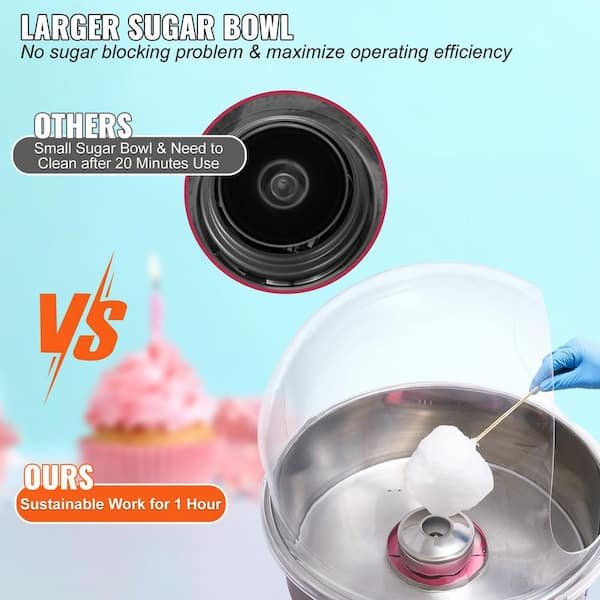
- Remove and soak removable parts: Place the bowl and spinner head in warm, soapy water for 10–20 minutes.
- Clean the bowl & rim: Use a non-abrasive sponge and mild soap. Pay close attention to the rim and where sugar melts.
- Clean the spinner head: Gently scrub the head’s inside and channels with a soft brush or toothbrush to remove sugar residue.
- Rinse thoroughly: Rinse all soap off with warm water so no residue remains.
- Wipe motor housing: Use a slightly damp cloth to clean the motor housing and control panel—do not let water enter vents.
- Dry completely: Air-dry parts on a towel for 20–30 minutes, then finish with a microfiber cloth. Only reassemble when fully dry.
- Run a quick test: After reassembly, run the machine empty for a minute (with proper safety) to confirm everything is working.
Deep cleaning & monthly maintenance
- Remove heating element cover (if your model allows) and wipe with a damp cloth.
- Disassemble the spinner head further only if the manual permits. Clean internal sugar channels with a small brush.
- Clean air vents: Use compressed air or a soft brush to blow out dust and sugar dust from vents and around the motor.
- Inspect cables & components: Check power cord, plug, and motor for wear or damage. Replace damaged parts promptly.
- Lubrication: Apply a small amount of food-grade lubricant to moving clips, hinges or knobs only if specified by your manual.
- Replace parts if worn: Seals, gaskets or worn spinner heads can degrade performance—replace sooner rather than later.
Quick cleaning between events (fast, effective)
- Wipe bowl and head with warm, soapy cloth between shows.
- Use a small brush to clean sugar channels.
- Dry parts with a microfiber cloth or handheld air blower.
- Store tools and a small cleaning kit with the machine for faster turnaround.
Common mistakes to avoid
- Using boiling water or abrasive pads that warp or scratch plastic.
- Submerging the motor base or allowing water into vents.
- Reassembling while parts are still damp—this traps moisture and encourages rust and electrical issues.
- Using harsh chemical cleaners that leave residues on food-contact surfaces.
- Skipping routine cleaning, which makes hardened sugar difficult to remove and can damage parts.
Troubleshooting & quick fixes
- Spinner head jam: Soak in warm, soapy water for 15–30 minutes and brush gently. Repeat soak if needed.
- Burnt taste: Thoroughly clean the bowl and spinner head to remove old sugar. Run a small test batch of plain sugar to confirm the taste is gone.
- Motor overheating: Clean vents, shorten continuous run time, and allow regular cool-down breaks.
- Sticking parts: Check seals and use a minimal, manual-recommended food-grade lubricant on knobs and clips.
- Unusual noises: Inspect spinner head for hardened sugar or loose components; don’t run until fixed.
Expert tips from hands‑on experience
- Don’t rush drying—damp parts caused a spark and smoke in one real-life example. Air-dry 20–30 minutes then finish with a cloth.
- Keep a small brush and basin ready at events; cleaning between shows reduces buildup and downtime.
- Label your cleaning kit and store it with the machine so you never forget your tools.
Sanitizing guidelines for food-contact parts
- Mild dish soap + warm water is usually sufficient.
- For extra sanitation, use 1 part white vinegar to 3 parts water or a food-safe sanitizer. Rinse thoroughly and dry completely.
- Avoid bleach or harsh chemicals on food-contact surfaces unless explicitly allowed by the manufacturer.
How often to clean your Vevor cotton candy machine
- After every use for food safety and consistent performance.
- Deep clean and inspect monthly if used regularly or heavily.
- Increase frequency if you run multiple events per day.
Can the bowl go in the dishwasher?
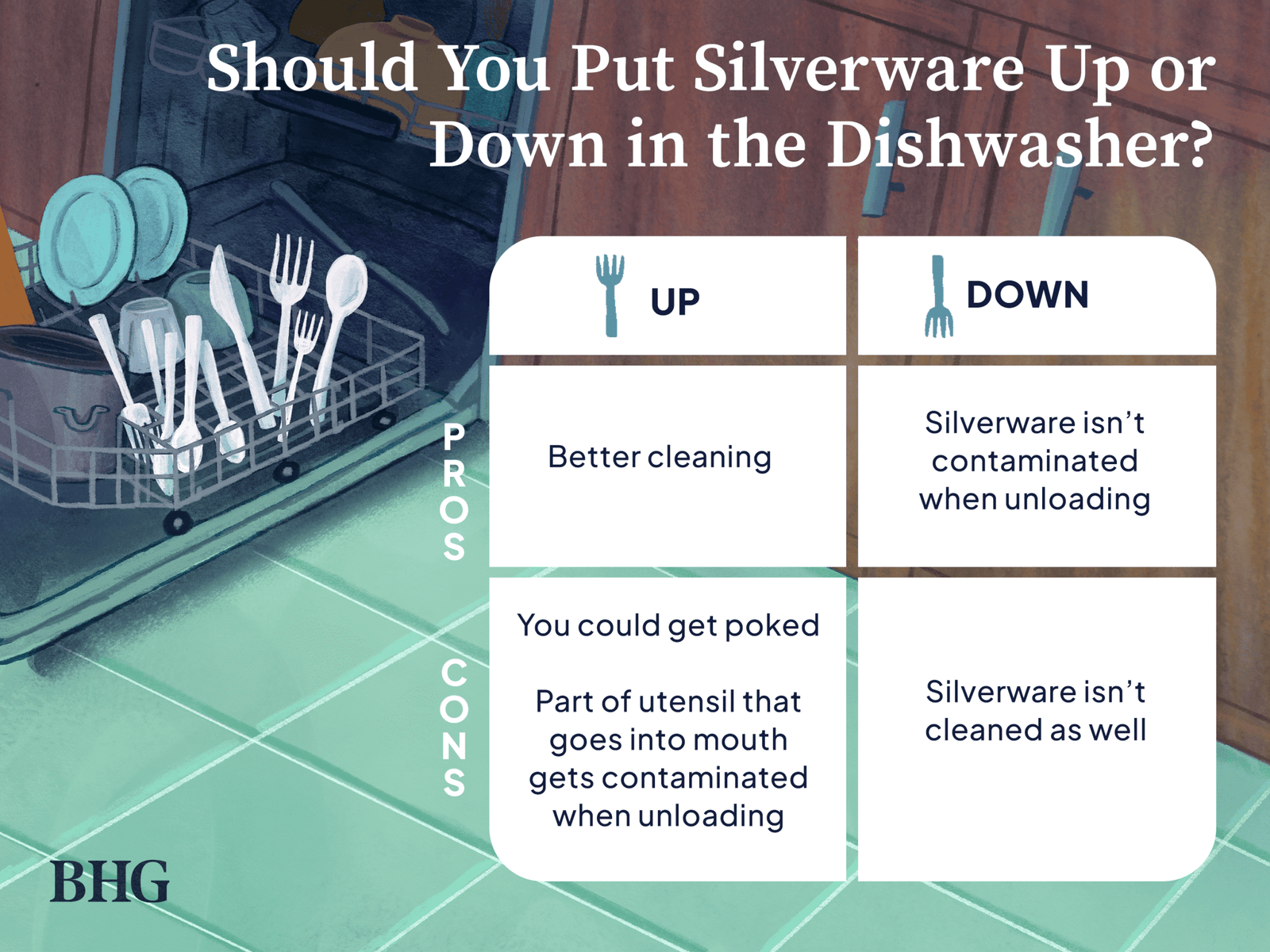
- Most Vevor bowls are hand-wash only—check your manual. If dishwasher-safe, use the top rack and a mild cycle.
Removing hardened sugar from the spinner head
- Soak head in warm soapy water for 15–30 minutes, then use a soft brush to remove residue. Avoid metal tools that can scratch.
Is it safe to spray the motor with water?
- No. Never spray the motor. Clean the housing with a damp cloth and use compressed air for vents.
What cleaner is safe on food-contact parts?
- Mild dish soap and warm water, or 1:3 white vinegar and water. Rinse and dry completely.
Recommended maintenance schedule
- After every use: quick clean and drying.
- Weekly: inspect spinner head and rim for residue (if used heavily).
- Monthly: deep clean, vents, wiring inspection, and apply food-grade lubricant if recommended.
Conclusion
Cleaning your Vevor cotton candy machine is simple but essential, do a quick clean after each use, perform monthly deep-cleaning checks, avoid common mistakes, and follow the manual. A consistent cleaning routine improves flavor, safety, and machine longevity.