
Season wooden utensils by rubbing food-safe oil, wiping off excess, and letting them cure overnight.
I have seasoned hundreds of wooden spoons, spatulas, and boards over many years. In this guide I share clear steps, tips, and real-life fixes so you can learn how to season wooden utensils the right way. You will get easy-to-follow steps, tools to use, and advice on how often to re-season. Read on to keep your wood strong, safe, and beautiful.

Why season wooden utensils?
Seasoning wood protects it from water, stains, and cracking. When you learn how to season wooden utensils you add a thin barrier that keeps food odors out. Seasoned wood is easier to clean and lasts much longer. I started doing this when a favorite spoon split; seasoning stopped that from happening again.

What you'll need
Here is a short shopping list with simple items you likely already have.
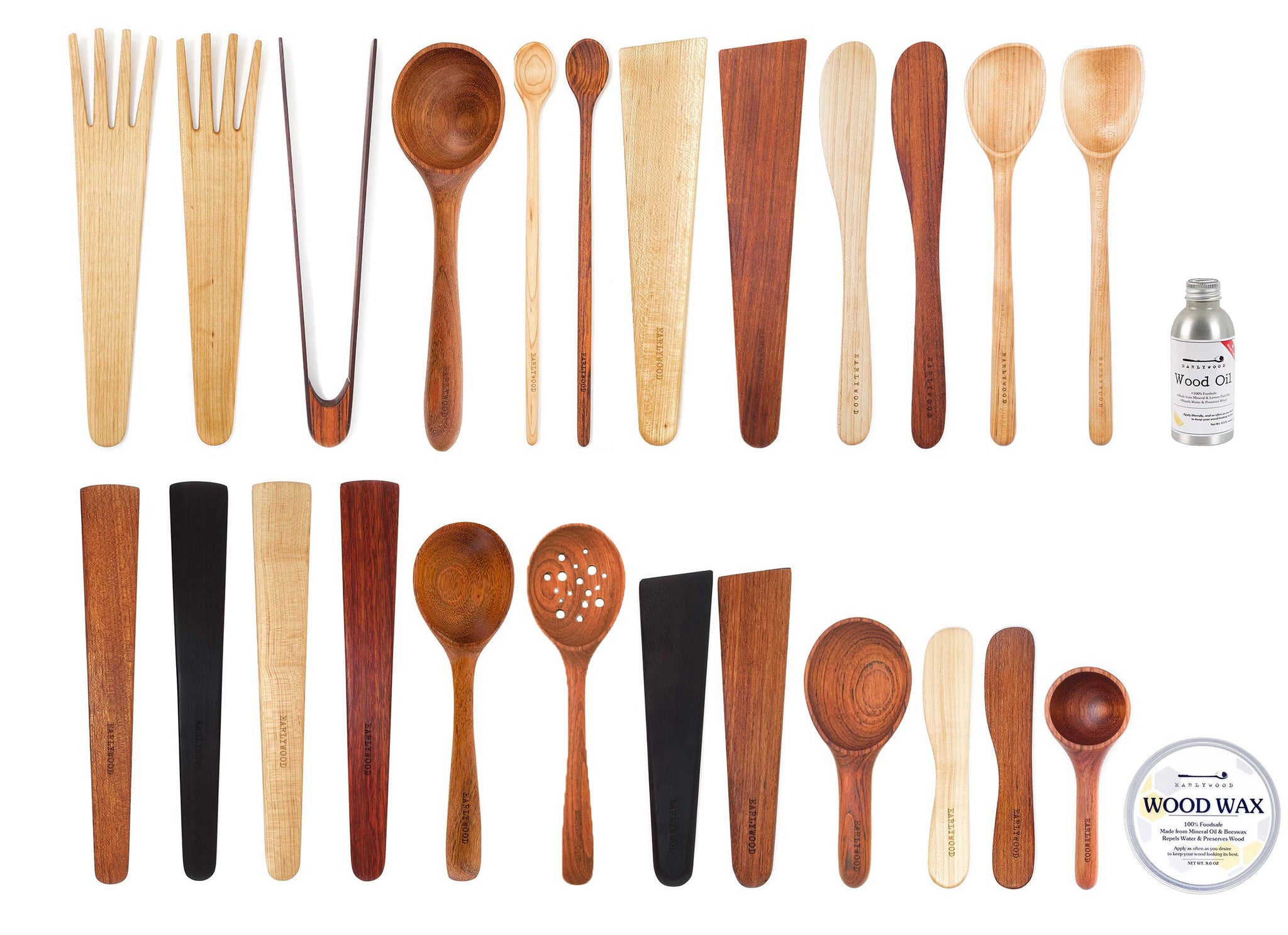
- Food-safe oil: Mineral oil, fractionated coconut oil, or butcher block oil. Use oil that won’t go rancid.
- Beeswax or a wax-oil blend: Optional for extra seal and shine.
- Clean cloths: Lint-free or cotton towels for rubbing and wiping.
- Fine sandpaper (220–400 grit): For smoothing rough spots if needed.
- Oven or warm, dry place: To help the oil set into the wood.
These items make it easy to learn how to season wooden utensils without special tools.
Step-by-step guide: how to season wooden utensils
Follow these short steps to season wooden utensils safely and well.
-
Clean the utensil
- Wash with warm water and mild soap. Rinse well and dry with a towel.
- Let the utensil air-dry fully for a few hours or overnight.
-
Lightly sand if needed
- Sand any rough patches with fine sandpaper. Wipe away dust.
- Sanding helps the oil soak deeper into the wood.
-
Apply the oil
- Pour a small amount of food-safe oil on a cloth. Rub the oil into the wood with the grain.
- Cover all surfaces, edges, and crevices. For spoons, do the bowl and handle.
-
Let it soak
- Let the oil sit for at least one hour. For thicker or dry wood, leave overnight.
- Wipe off excess oil with a clean cloth after soaking.
-
Optional wax finish
- Warm a mix of beeswax and oil and buff a thin layer on the utensil.
- Buff to a soft shine. This adds water resistance.
-
Cure time
- Let the utensil rest in a dry place for 24 hours before use.
- Repeat oiling for very dry or new wood two or three times for best results.
-
Label and repeat
- Mark the date you seasoned it. Reseason as needed to keep it protected.
I teach people to use mineral oil because it never spoils. I also warn against vegetable oils that can go rancid. This method has kept my own wooden spoons in top shape for years.

Maintenance and care after you season wooden utensils
Good care keeps the finish working longer and saves time.
- Clean gently: Wash with warm water and mild soap. Do not soak utensils for long.
- Dry quickly: Wipe and air-dry upright to avoid trapped moisture.
- Re-season schedule: How often to season wooden utensils depends on use. For daily use, season every 1–3 months. For occasional use, season every 6 months.
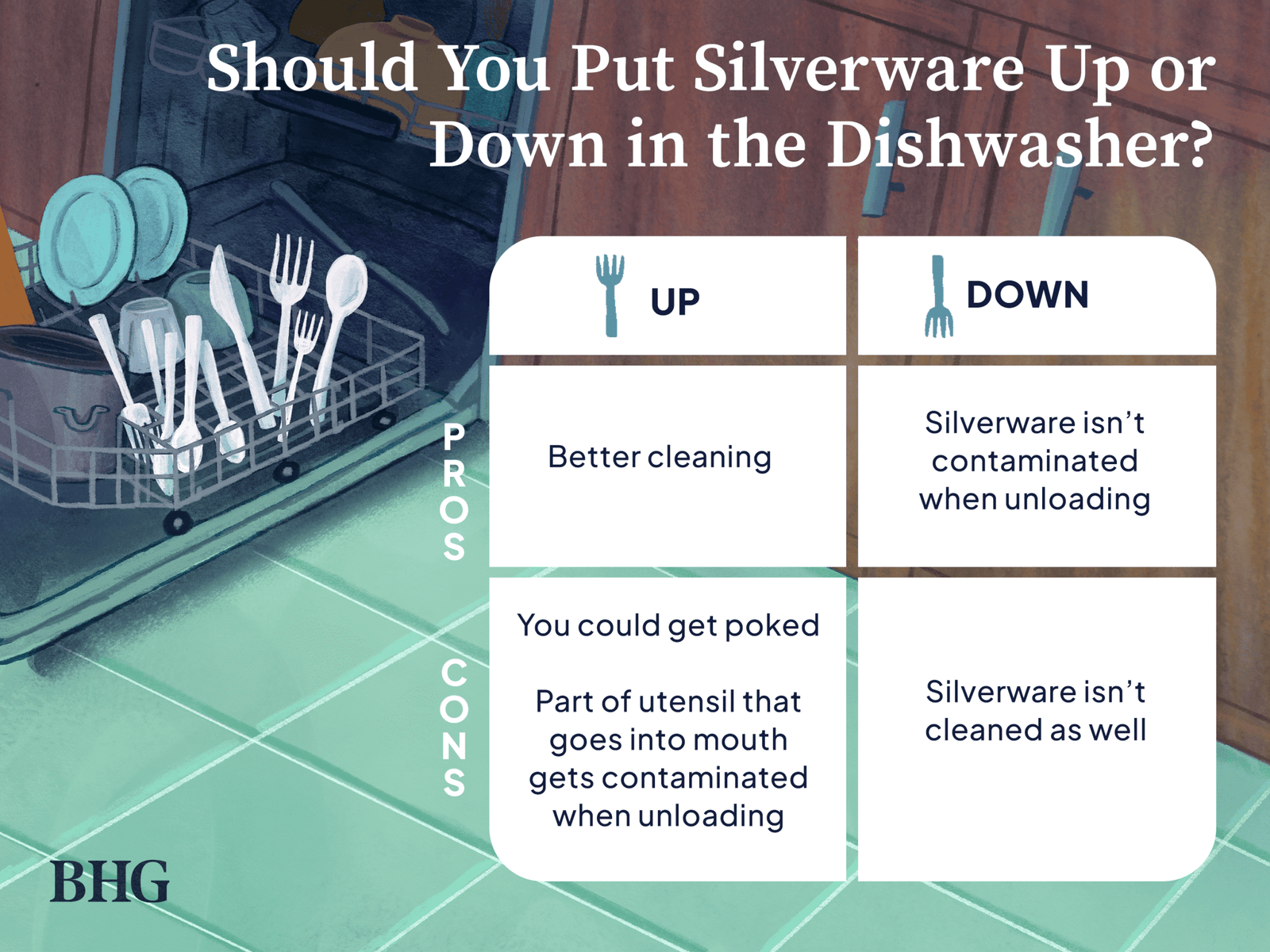
- Avoid dishwasher: Dishwashers strip the oil and warp wood.
- Spot treatments: If the wood looks dry or dull, apply a light coat of oil and wipe off excess.
People also ask
How often should I re-season wooden utensils?
- Re-season wooden utensils every 1–3 months with heavy use, or every 4–6 months for light use. Watch for dull or dry-looking wood as a cue.
Can I use olive oil to season wooden utensils?
- Avoid regular olive oil; it can become rancid. Use mineral oil or a dedicated food-safe oil that won’t go bad.
Will seasoning make wooden utensils waterproof?
- Seasoning adds water resistance, not full waterproofing. It helps prevent stains and warping but avoid long water exposure.

Common mistakes and troubleshooting
Avoid these mistakes when you learn how to season wooden utensils.
- Using the wrong oil: Do not use vegetable or nut oils that can turn rancid. That causes bad smells.
- Over-oiling: Leaving thick, sticky oil on the surface can attract dirt. Wipe off excess after soaking.
- Skipping drying time: Putting a utensil away wet can trap moisture and cause mold. Always dry fully.
- Dishwasher use: Running wood through a dishwasher strips oil and causes cracks. Hand wash instead.
- Not sanding rough spots: Rough edges keep oil from penetrating evenly. Sand gently first.
If your utensil smells, wash it, dry it, and apply a thin coat of mineral oil. If it splits, stop using it for hot liquids and consider replacing or repairing with food-safe glue.

Frequently Asked Questions of how to season wooden utensils
How long does seasoning last on wooden utensils?
A well-done seasoning can last weeks to months. Reapply when the wood looks dry or dull.
Can I use coconut oil to season wooden utensils?
Fractionated coconut oil is fine because it does not solidify and resists rancidity. Virgin coconut oil may go rancid over time.
Is beeswax necessary when you season wooden utensils?
Beeswax is optional. It adds water resistance and a smooth finish but oil alone works well.
Can I season old or stained wooden utensils?
Yes. Clean, sand, and then follow the seasoning steps. Deep stains may not fully vanish but will be sealed.
Are seasoned wooden utensils food safe?
Yes, when you use food-safe mineral oil or approved oils, the finish is safe for food contact. Avoid oils that spoil.
Conclusion
Seasoning wooden utensils is simple. Clean, oil, and let the wood cure to protect your tools. Do this regularly and avoid common mistakes like using the wrong oil or the dishwasher. Try it today on one spoon and watch how much better it looks and feels. Leave a comment with your results or subscribe for more simple kitchen care tips.