
When glass bowls get stuck together they can be annoying and risky to separate. Most commonly this happens because of trapped moisture, suction, thermal expansion, or sticky residue. Below are safe, proven methods to free nested glass bowls without breaking them, plus simple prevention tips to stop it from happening again.
Why glass bowls get stuck together
- Suction and air pressure: Warm air trapped between bowls can contract as it cools, creating a partial vacuum.
- Thermal expansion: If one bowl is warm and the other cool, the outer bowl can expand and tighten around the inner bowl.
- Residue and soap film: Food, grease, or dish soap can act like glue.
- Tight manufacturing tolerances and small chips: Narrow rims or micro‑chips can lock bowls together.
Safety first
- Wear cut‑resistant gloves or thick kitchen gloves.
- Work over a towel or sink to catch slips or broken glass.
- Never use metal pry tools; they can chip and cause breakage.
- If you hear cracking, stop immediately and inspect for damage. Discard cracked pieces safely.
Step‑by‑step methods to free stuck glass bowls
Start with the gentlest method and only escalate if necessary. Try each method for several minutes before switching.
Method 1 — Warm water for the outer bowl (recommended first try)
- Fill the sink with warm (not boiling) water deep enough to cover the outside of the nested bowls’ outer shell.
- Keep the inner bowl dry or cooler (you can add a wet cloth around it if needed).
- After 5–10 minutes, grasp the inner bowl with a towel for grip and gently twist and pull.
Why it works: The outer bowl expands slightly from the heat, loosening its grip.
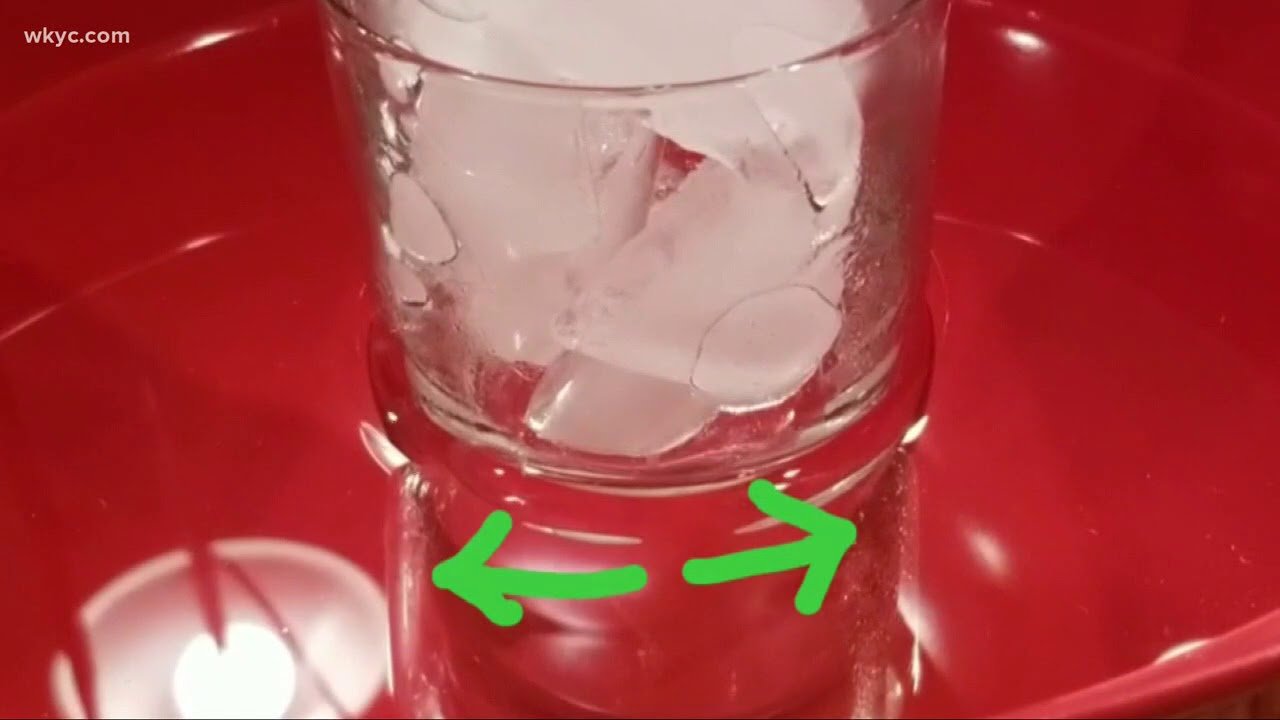
Method 2 — Ice inside the inner bowl + warm water outside
- Add ice and a little cold water to the inner bowl.
- Pour warm water around the outside of the outer bowl or hold it under warm tap water.
- Gently twist and rock until the bowls separate.
Why it works: Cooling the inner bowl contracts it while warming the outer bowl expands it.
Method 3 — Lubricate the rim
- Use soapy water, dish soap, or a few drops of cooking oil around the rim where the bowls meet.
- Work the lubricant in by tapping lightly and twisting gently.
- Clean thoroughly after separation.
Notes: Soap is safest; oil can help with sticky residue but will require extra washing.
Method 4 — Dental floss or thin thread
- Slide dental floss or a thin, waxed thread between the two rims.
- Use a sawing motion while twisting the inner bowl gently.
- Continue until suction breaks.
Why it works: This method reduces suction with low force and minimal risk of chipping.
Method 5 — Alternating warm and cold cycles
- Run warm water over the outer bowl for about a minute.
- Immediately add cold water or ice to the inner bowl.
- Repeat a couple of times, then try to separate.
Use this to break tight seals made by suction.
Method 6 — Low oven heat (last resort)
- Only for oven‑safe glass: preheat oven to 200°F (93°C).
- Place just the outer bowl in the oven for 5–10 minutes while keeping the inner bowl cool.
- Remove with oven mitts and attempt separation while warm.
Warning: This method carries risk of thermal shock. Do not use on thin, antique, or cracked glass.
Troubleshooting and what to avoid
- Stop if you hear cracking or feel sharp resistance.
- Don’t use metal tools (screwdrivers, knives) to pry—these can chip glass.
- Don’t hit the glass or use striking force.
- Avoid pouring boiling water on a very cold bowl; extreme, sudden temperature changes can shatter glass.
- If the inner bowl does break, wear heavy gloves, and discard shards safely.
Prevention: How to keep bowls from getting stuck
- Dry bowls thoroughly before stacking.
- Place a paper towel, cloth, or silicone liner between stacked bowls.
- Don’t stack hot bowls into cooler ones. Let bowls cool fully first.
- Store bowls upright or use a tiered rack.
- Wash large and small bowls separately when possible.
Frequently asked questions
Q: Can I use boiling water to separate stuck glass bowls?
A: No. Boiling water increases thermal shock risk. Stick to warm water only.
Q: Will the freezer help separate them?
A: Freezing the inner bowl can help by contracting it, especially when combined with warming the outer bowl—but avoid extreme changes and monitor for cracks.
Q: Is oil safe to use between stuck bowls?
A: Light cooking oil can lubricate tight spots, but it will leave a residue that needs thorough washing.
Q: What if the bowls are antique or very thin?
A: Use only the gentlest methods (floss, mild warm water) or consult a professional. Antique glass is fragile.
Q: How long should I attempt separation before stopping?
A: Try gentle methods for 15–30 minutes total. If stuck after repeated safe attempts, stop and consider professional help or replacement.
Conclusion
Start with warm water for the outer bowl and cool the inner bowl, then gently twist. If that fails, try ice, lubrication, floss, or careful low heat as a last resort. Prioritize safety, and adopt simple storage habits to prevent future jams. If this guide helped, share your experience in the comments or subscribe for more kitchen rescue tips.