
Attaching a Coleman 1 lb propane canister to your camping stove is quick when you know the right steps. Do it correctly and you’ll avoid leaks, reduce fuel waste, and get a steady flame. This guide breaks down the process, safety checks, troubleshooting, and maintenance tips so you can set up your stove confidently every trip.
Why correct attachment matters
A poor connection can leak propane (a highly flammable gas) or cause an unstable flame. Proper attachment protects you and others, preserves fuel efficiency, and prevents damage to stove fittings. Small parts like O‑rings matter: a torn gasket can cause a slow, hard‑to‑detect leak and drop stove performance.
Types of Coleman propane canisters and fittings
Knowing what canister your stove accepts prevents mismatches and leaks:
- 1 lb (16.4 oz) threaded disposable cylinders: Standard for most small Coleman stoves and lanterns. Screw on by hand.
- 20 lb grill tanks: Require a regulator and hose or a rated adapter to be used with camping stoves.
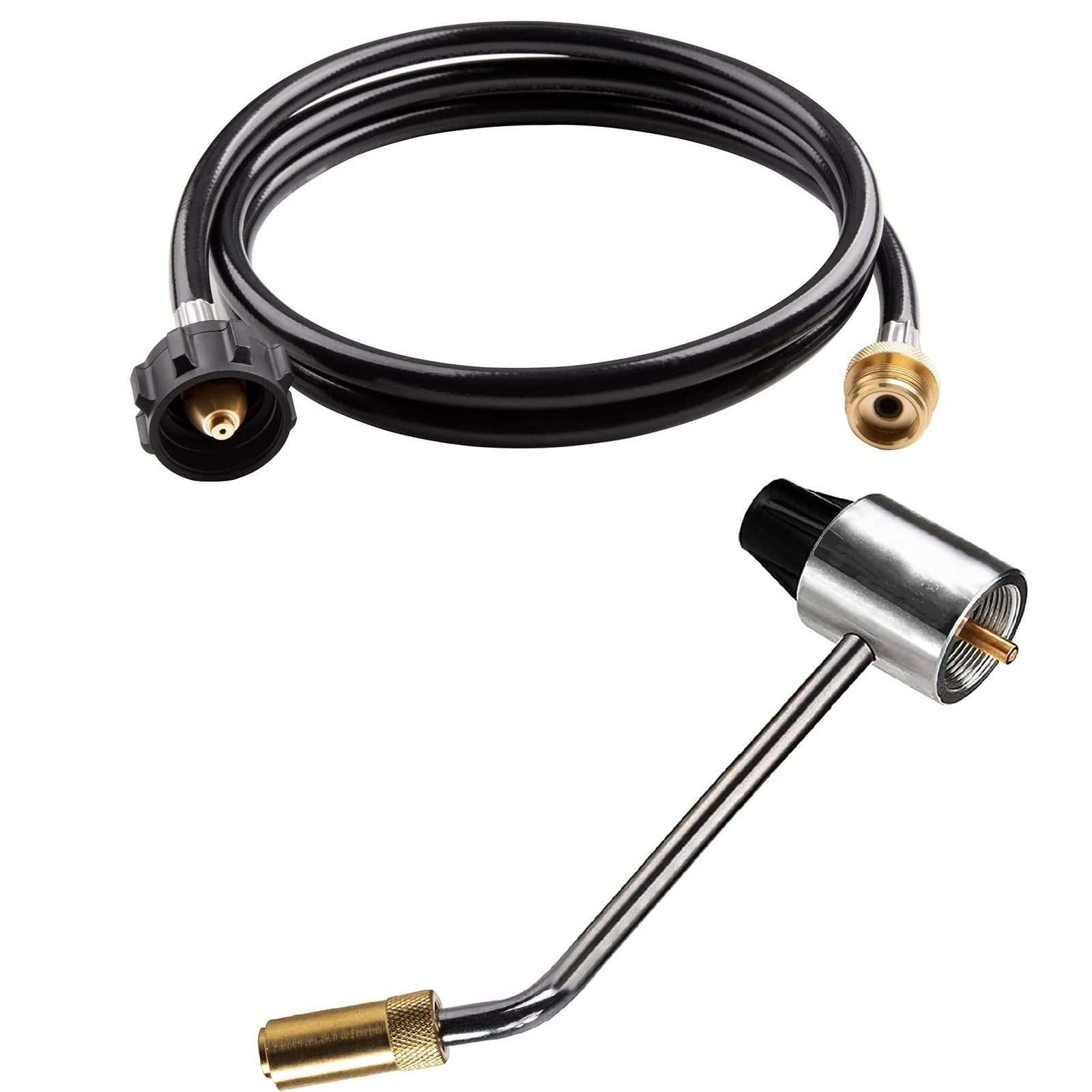
- Propane adapter fittings: Allow use of a larger tank with a small stove — use only manufacturer‑rated adapters designed for your model.
Step‑by‑step: attach a Coleman propane canister
Read your stove manual first. Perform these steps each time.
- Prepare the stove and work area
- Move outdoors or to a well‑ventilated area; keep open flames away.
- Ensure the control valve is fully closed.
- Inspect the canister for dents, rust, or punctures. Don’t use damaged cylinders.
- Inspect seals and threads
- Check the stove’s gasket or O‑ring for cracks, nicks, or hardening. Replace if worn.
- Wipe threads on both canister and stove inlet with a clean, dry cloth. Do not lubricate.
- Align and attach
- Hold the canister upright and line up threads straight with the stove inlet.
- Screw on by hand until it seats and feels snug—hand‑tight only. Avoid cross‑threading or forcing it at an angle.
- Test for leaks
- Open the control valve slightly and listen for hissing. If you hear hissing, close the valve and re‑seat the canister.
- Apply soapy water around the connection and watch for steady bubbles. Any bubbling indicates a leak—tighten slightly; if bubbles persist, replace the canister or O‑ring.
- Light and monitor
- Light the stove per the appliance instructions, starting on low.
- Look for a steady blue flame and no hissing. If the flame sputters or smells like gas, shut off and troubleshoot.
Quick checklist before lighting
- Valve OFF before attaching
- Canister upright and undamaged
- O‑ring present and intact
- Threads clean and aligned
- Soapy water test: no bubbles
Safety checks and routine inspections
- Visual inspection before each use: check for dents, rust, or punctures.
- Soapy water leak test: effective and simple.
- Sound and smell: hissing or rotten‑egg odor (mercaptan added to propane) means shut down and ventilate.
- Control checks: verify knobs move freely and fully close.
Common mistakes and how to avoid them
- Cross‑threading: line up threads and hand‑tighten only.
- Over‑tightening: tools can damage threads and seals—never use them.
- Ignoring O‑rings: keep spare O‑rings in your kit and replace annually or when worn.
- Using the wrong adapter or regulator: only use manufacturer‑rated parts designed for your stove.
Troubleshooting
- Stove won’t light: confirm valve open, connection tight. Cold canisters produce low pressure—warm in your hands for a minute.
- Weak flame: clean burner ports, check for partial blockages, or try a fresh canister.
- Hissing or fast gas flow: close valve immediately, test with soapy water, and replace any leaking part.
Cold‑weather tips
- Propane pressure drops as temperature falls. Keep canisters warm (near your body or in an insulated sleeve) before use.
- Cook on lower flame settings and avoid large, high‑demand burners when it’s cold.
Maintenance and storage
- Store canisters upright in a cool, dry place out of direct sunlight.
- Keep canister temperatures below about 120°F (approx. 49°C).
- Replace O‑rings yearly or when they show wear.
- Transport in a ventilated area of the vehicle, not in sealed trunks.
- Carry a small leak test kit (dish soap), spare O‑rings, and basic tools in your camping gear.
When to replace a canister or get professional help
- Replace disposable cylinders that are dented, rusted, or punctured.
- Never attempt to repair a damaged disposable canister.
- If the stove inlet leaks after replacing the gasket or you suspect regulator failure, stop using the unit and have it serviced by an authorized technician.
Personal tips from field experience
- I once fixed a hissing stove by swapping a torn O‑ring—pack spares and save headache.
- On a freezing trip, warming the canister in my jacket for a few minutes restored usable pressure and saved breakfast.
FAQ
Q: How do I know which Coleman propane fits my stove?
A: Check your stove manual or compare the inlet thread to the canister thread. Most small Coleman stoves use 1 lb threaded disposable cans.
Q: Can I use a 20 lb tank with a Coleman stove?
A: Yes, only with a manufacturer‑rated adapter/regulator designed for your stove. Never jury‑rig an adapter.
Q: What if I detect a leak after attaching the canister?
A: Close the valve, move outdoors, ventilate, and use soapy water to locate the leak. Replace a leaking canister and never try to repair disposable cylinders.
Q: Is it safe to tighten a canister with tools?
A: No. Hand‑tight only. Tools can over‑tighten and damage threads or seals.
Q: How can I prevent low flame in cold weather?
A: Keep canisters warm (body heat or insulated sleeve) and cook on lower flame settings to conserve pressure.