
Rinse, disassemble, scrub blades carefully, sanitize, and air-dry to prevent rust and bacteria.
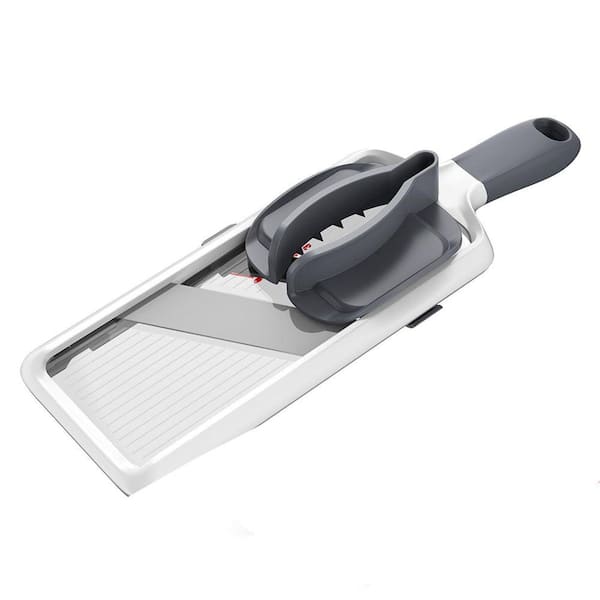
I’ve spent years testing kitchen tools and cleaning techniques, and this guide explains exactly how to clean a mandoline slicer safely and effectively. You’ll learn simple steps, the right tools, and pro tips to keep your mandoline sharp, sanitary, and ready to slice every time. Follow along to avoid common mistakes, protect your fingers, and extend the life of your slicer.
:max_bytes(150000):strip_icc()/how-to-use-a-mandoline-FT-BLOG1020-fffcdbdbcd2e4fc796b73b2c1a9eb195.jpg)
Why cleaning your mandoline slicer matters
A mandoline slicer has thin, razor-sharp blades and tight crevices where food and bacteria hide. Regular cleaning prevents rust, cross-contamination, and dulling. Learning how to clean a mandoline slicer keeps slices even and reduces the risk of foodborne illness.
Food safety experts recommend cleaning hard-to-reach parts after every use. From my experience, a quick rinse is not enough. Deep cleaning prevents sticky residue and preserves blade performance. Clean slicers also last longer and give better results.
What you’ll need before you start
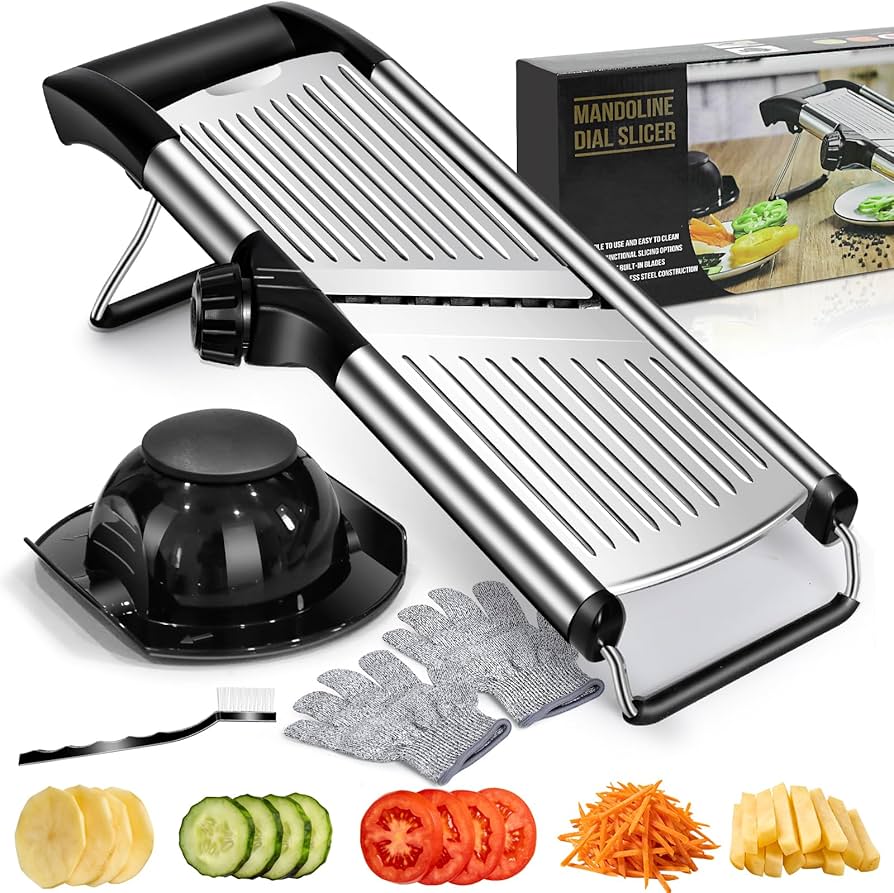
Prepare these items before you clean a mandoline slicer:
- Soft-bristled brush or old toothbrush to reach crevices
- Mild dish soap for grease and food residue
- Warm water for rinsing and soaking
- White vinegar or baking soda for stubborn stains and odor
- Microfiber cloth or clean towel for drying
- Rubber gloves or cut-resistant glove for safety
- Small bowl or basin for parts that need soaking
- Toothpick or wooden skewer for trapped bits
- Food-safe oil (optional) for stainless steel maintenance
Having the right tools makes cleaning a mandoline slicer quick and safe. I always use a cut-resistant glove when scrubbing near the blade.

Step-by-step: How to clean a mandoline slicer safely
- Unplug or stabilize the slicer
- Put on a cut-resistant glove before touching blades
- Disassemble the slicer: remove food holder, blade insert, and adjustable parts
- Rinse loose debris under warm running water
- Soak removable parts in warm, soapy water for 5–10 minutes
- Use a soft brush to scrub away trapped bits, working away from the blade edge
- For the blade, gently scrub with soapy water and a brush or sponge held horizontally; avoid pushing fingers toward the edge
- Rinse all parts thoroughly with warm water
- Sanitize by wiping with a 1:10 bleach solution or a vinegar rinse if preferred; then rinse again
- Dry completely with a towel and let air-dry before reassembling to avoid rust
Following these steps when you clean a mandoline slicer reduces risk and keeps performance high. Take your time with the blade and never place your bare fingers near the edge.

Deep cleaning blades and removing stubborn residue
If residue won’t budge, try these methods when cleaning a mandoline slicer:
- Baking soda paste. Mix baking soda and water, apply to stuck spots, let sit 10 minutes, then scrub gently.
- White vinegar soak. Soak removable parts in equal parts water and vinegar to dissolve mineral deposits and odors.
- Rubbing alcohol wipe. Use 70% isopropyl alcohol on the blade for grease reduction and quick drying.
- Use a wooden skewer or toothpick to lift bits from tight seams. Avoid metal picks that can scratch.
- For rust spots on stainless steel, use a non-abrasive cleaner and a soft cloth. Test in a small area first.
I once left potato starch build up overnight and learned that a brief vinegar soak cleared it fast. When you clean a mandoline slicer this way, be gentle to protect the blade’s temper.

Safety tips: Protect fingers and the blade
Safety is the top priority when you clean a mandoline slicer. Follow these rules:
- Always wear a cut-resistant glove when handling blades.
- Clean the blade away from your body and fingers.
- Use the food holder or a brush to remove scraps instead of bare hands.
- Never place the blade face-down on a surface where you might touch it.
- If your model has a blade removal tool, use it; avoid forcing parts apart.
I keep a labeled container for blades so I don’t accidentally grab them during cleanup. Safety habits save trips to urgent care.
:max_bytes(150000):strip_icc()/Web_1500-20220207-mandoline-slicers-vicky-wasik-group-spruce-eats-1-a7f861dc0fda4179a3d4132ecd65ac1a.jpg)
Maintenance and storage to prevent future buildup
Routine care makes cleaning a mandoline slicer easier and keeps it working well:
- Rinse and dry after every use to stop starch and acids from settling.
- Oil the pivot points or screws lightly with food-grade oil if they start to squeak.
- Replace blades when they become dull; sharp blades are safer and cleaner.
- Store with blade guards on or in their box to prevent accidental cuts.
- Schedule a deep clean weekly if you use the slicer frequently.
A small routine saves time. I schedule a quick clean after each use and a deeper clean every weekend.

Troubleshooting common problems
Issue: Dull blades
Solution: Replace or professionally sharpen the blade. Sharpening at home often voids warranty.
Issue: Rust spots
Solution: Clean, dry, then treat with a mild abrasive and oil. If severe, replace the part.
Issue: Food stuck in rails
Solution: Use a brush and toothpick, then soak. Avoid metal picks that can scratch.
Issue: Slicer wobbles
Solution: Tighten screws and check feet. If wobble persists, stop using until repaired to avoid injury.
These fixes come from real-world use. When you learn how to clean a mandoline slicer and maintain it, most problems disappear quickly.
Personal experience and lessons learned
I’ve used multiple mandolines in home kitchens and test labs. Early on, I scrubbed too aggressively and nicked a blade. That taught me to use soft brushes and gloves. I also once stored a damp slicer and woke up to rusted screws. Now I dry every piece and keep a small toolkit for maintenance.
Lessons I learned:
- Never rush near the blade.
- Use vinegar or baking soda for stubborn build-up.
- Keep spare blades and parts on hand.
These habits cut cleanup time and keep the slicer safer for family meals.

People also ask
How often should I clean my mandoline slicer?
Clean it after every use to remove food residue and prevent bacteria. Deep clean and inspect blades weekly if used often.
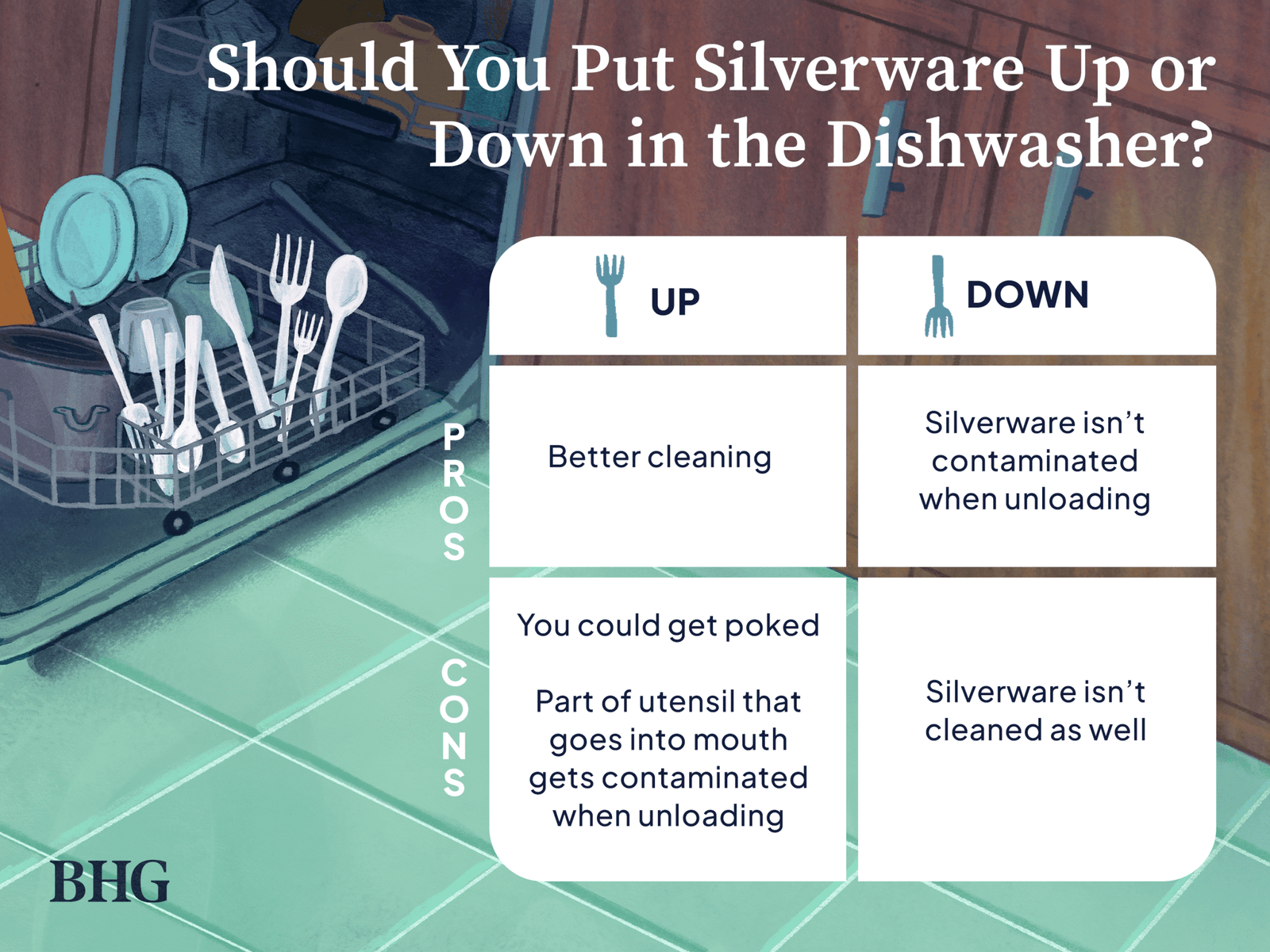
Can I put my mandoline in the dishwasher?
Some models are dishwasher-safe, but hand washing is gentler and prevents blade dulling. Check your manual before using a dishwasher.
What is the safest way to clean the blade?
Wear a cut-resistant glove and use a soft brush to scrub with soapy water, always moving away from the sharp edge. Wipe carefully and dry immediately.
Frequently Asked Questions of how to clean a mandoline slicer
How do I remove tough potato starch from a mandoline slicer?
Soak removable parts in warm, soapy water, then use a soft brush or baking soda paste to lift residue. Rinse and dry fully before storing.
Is vinegar safe to use on mandoline slicers?
Yes, a diluted vinegar soak is safe for stainless steel parts and helps remove odors and mineral buildup. Rinse well after and dry to prevent corrosion.
Can I use steel wool on a mandoline blade?
No. Steel wool can scratch and damage the blade’s finish, causing rust and weakening the edge. Use a soft brush or non-abrasive pad instead.
How do I sanitize my mandoline slicer after cleaning?
Wipe with a 1:10 bleach solution or use white vinegar, then rinse thoroughly and dry. Ensure all parts are dry to avoid rust.
What’s the best way to dry a mandoline slicer?
Towel dry each part and then air-dry on a rack for 15–30 minutes to ensure moisture evaporates from crevices. Do not store while damp.
Conclusion
Keeping your mandoline slicer clean is simple with the right routine: disassemble, clean gently, sanitize, and dry completely. Practice safety, use gentle tools, and perform regular maintenance to extend the life of the slicer and protect your family. Try these steps this week, share your results, and leave a comment with your favorite cleaning tip or question.