
Use a sandwich maker by preheating, filling bread, closing the plates, and cooking until golden.
I’ve spent years testing kitchen gadgets and teaching home cooks how to use sandwich maker units safely and well. This guide gives clear steps, real tips, and practical recipes so you can use a sandwich maker with confidence and get great results every time.

Why choose a sandwich maker?
A sandwich maker saves time and makes warm, crisp sandwiches fast. It seals fillings, melts cheese, and creates neat portions. For busy mornings or quick dinners, learning how to use sandwich maker tools well boosts your home-cooking speed and consistency. From simple grilled cheese to layered paninis, the device gives repeatable results with little effort.

Understanding your sandwich maker: parts and features
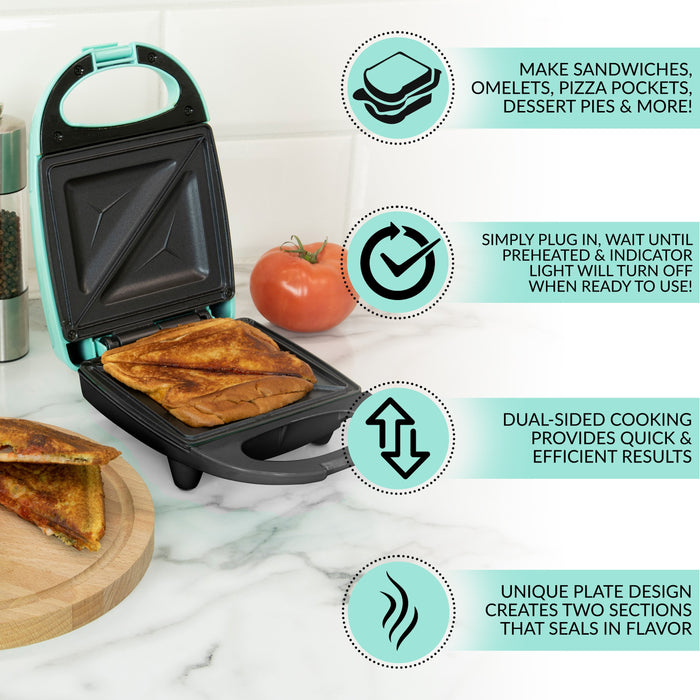
Most sandwich makers share the same basic parts. Know them before you use your sandwich maker.
- Handle: Holds and locks the plates together. Keeps your hands safe.
- Top and bottom plates: Heat and press the sandwich. Many are nonstick.
- Power light and ready light: Show power on and when preheated.
- Locking latch: Secures the unit while cooking.
- Drip tray or crumb tray: Catches oil and crumbs in some models.
- Thermostat or temperature control: Lets you set heat on advanced models.
Knowing these parts helps you adjust temperature, clean properly, and troubleshoot. Always read your model’s short manual the first time. It helps you match settings to the bread and filling you like.
How to use sandwich maker: step-by-step guide
Follow these simple steps to make a perfect sandwich. This section explains how to use sandwich maker safely and efficiently.
- Prepare ingredients
- Use bread that fits the plates. Trim if needed.
- Add fillings that are not too wet. Drain sauces and pat ingredients dry.
- Preheat the appliance
- Plug in and close the plates if the manual says so. Wait for the ready light.
- Preheating takes 3–5 minutes on most models.
- Butter or oil the bread
- Spread a thin layer of butter or oil on the outer sides for crisping. Avoid excess fat that can drip.
- Assemble the sandwich
- Layer cheese, cooked proteins, and vegetables. Keep fillings thin for even heat.
- Avoid overfilling. That stops the plates from closing fully.
- Place sandwich on the plates
- Open the maker, place the sandwich, and close gently. Lock if your unit has a latch.
- Cook time and check
- Cook 3–6 minutes for most sandwiches. Check once if you want extra crispness.
- For a golden result, aim for 4 minutes, then adjust by 30-second increments.
- Remove and rest
- Unlock and lift the sandwich carefully. Let it sit 1 minute to set the cheese before cutting.
Common timing pointers:
- Basic grilled cheese: 3–4 minutes.
- Panini with thin meat: 4–5 minutes.
- Thick or stuffed sandwiches: 5–7 minutes.
From my tests, I often reduce heat or time when using thin bread to avoid burning. Learning how to use sandwich maker takes a few tries but becomes fast and reliable.

Tips, recipes, and variations
Small changes make big differences when you use sandwich maker units. Try these tips and recipes.
- Tip: Use low-moisture cheeses to avoid soggy sandwiches.
- Tip: Press cooked proteins thinly before assembling for even heating.
- Tip: Add a slice of tomato on top of cheese to limit sogginess.
- Breakfast idea: Egg and cheese with spinach. Use pre-scrambled egg for a neat fill.
- Quick lunch: Ham, Swiss, and mustard. Thinly sliced ham melts evenly.
- Vegetarian: Pesto, mozzarella, and roasted peppers.
- Sweet option: Nut butter and banana with a light sprinkle of cinnamon.
PAA-style questions
Can I use frozen bread in a sandwich maker?
Yes. Let frozen bread thaw slightly for 5 minutes so the plates can close evenly. Cook a little longer if the bread is still cool.
Will a sandwich maker handle raw meat?
No. Cook raw meat fully before adding it to the sandwich maker. The plates heat fast, but they may not cook thick raw meat through.
Can I use nonstick spray on the plates?
You can, but frequent sprays can wear nonstick surfaces. Use a light brush of oil or a small butter spread instead.

Cleaning, care, and maintenance
Clean your sandwich maker after each use for best results and safety.
- Unplug and cool completely before cleaning.
- Wipe plates with a damp cloth for daily cleaning.
- For stuck food, soak a soft cloth in warm water and place it on the plates for a few minutes, then wipe.
- Remove and empty any drip or crumb tray regularly.
- Avoid metal tools or abrasive pads on nonstick plates.
- Store with the lid slightly open to prevent odors and moisture build-up.
I once ruined a plate by using a metal spatula. That taught me to always use silicone or wooden tools.

Troubleshooting common problems
Here are fast fixes when things go wrong while you use sandwich maker.
- Sandwich sticks to plates
- Clean plates and apply a thin oil layer next time.
- Plates won’t close fully
- Reduce filling volume or trim the bread edge.
- Uneven browning
- Preheat longer and rotate the sandwich if needed.
- Smoke or burning smells
- Turn off, unplug, and inspect for crumbs or excess butter. Clean before reuse.
- No power
- Check the outlet and power cord. Test another appliance on the same outlet.
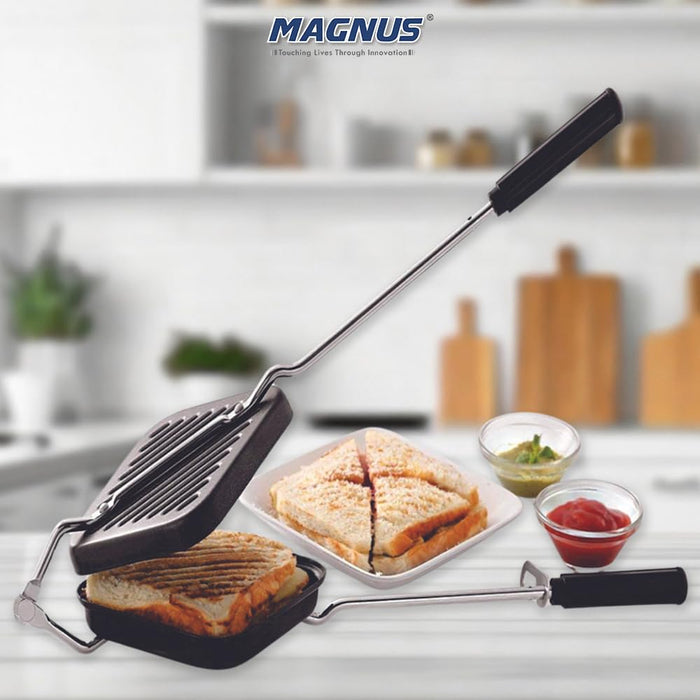
Frequently Asked Questions of how to use sandwich maker
How long should I preheat a sandwich maker?
Most sandwich makers take 3–5 minutes to reach cooking temperature. Wait for the indicator light before adding your sandwich.
Can I use any type of bread in a sandwich maker?
Yes, but thicker or artisan breads may need trimming or longer cook time to heat through. Thin sliced bread cooks faster and crisps more evenly.
Is it safe to leave a sandwich maker on while cooking?
Yes, if you stay nearby and follow the manual. Never leave the appliance unattended for long periods.
How do I prevent soggy sandwiches?
Use drier fillings, drain wet ingredients, and place cheese between wetter layers to create a moisture barrier. Cook on medium heat to crisp the bread.
Can I make open-faced sandwiches or wraps?
You can cook open-faced sandwiches if the maker closes gently on the edges, and wraps work if they fit without unrolling. Monitor cook time to avoid overcooking.
Conclusion
Mastering how to use sandwich maker gives you fast, tasty meals with little fuss. Start simple, follow the steps, and tweak time and fillings to match your taste. Try one new recipe this week, clean the unit after each use, and share your results or questions below. Explore more tips, subscribe for updates, or leave a comment with your favorite sandwich idea.