
Clean the aerator, check shut-off and supply lines, then clear or replace clogged parts.
I’ve spent years fixing household plumbing and teaching DIY tips to homeowners. This guide shows exactly how to fix low water pressure in kitchen sink with clear steps, common causes, tools, and when to call a pro. Read on to diagnose fast, pick the right fix, and get your kitchen flow back to normal.
Common causes of low water pressure in kitchen sink
Low water pressure at the kitchen sink can come from a few simple problems or deeper plumbing issues. Common causes include a clogged aerator, faulty faucet cartridge, partially closed shut-off valves, mineral build-up in pipes, and municipal supply issues. Knowing the cause makes it easy to pick the right fix.
- Clogged aerator: Tiny debris and lime scale block flow at the faucet tip.
- Faulty faucet parts: Worn cartridges, O-rings, or valves reduce output.
- Supply line issues: Kinks or debris in the hoses lower flow.
- Valves: Shut-off valves under the sink may be partly closed.
- House plumbing or supply issues: Main line problems or old pipes limit pressure.
I’ll explain each cause and give step-by-step checks you can do at home.

Tools and safety checklist
Before you start learning how to fix low water pressure in kitchen sink, gather simple tools and take safety steps.
- Tools you’ll need: Adjustable wrench, screwdriver, pliers, bucket, old towel, toothbrush, and white vinegar.
- Materials to have: Replacement aerator, faucet cartridge (if needed), plumber’s tape, and new supply lines (optional).
- Safety tips: Turn off water supply before disassembly. Work slowly and use towels to catch drips. If you’re unsure, stop and call a licensed plumber.
These basics keep the job quick and safe.

How to fix low water pressure in kitchen sink: step-by-step
Follow these steps in order to diagnose and repair most low-pressure kitchen sink problems. Each step is short and clear so you can test and move to the next if needed.
- Check other fixtures
- Turn on other taps in the home. If multiple taps are weak, the issue may be the main supply or municipal service. If only the kitchen is affected, continue with local checks.
- Test shut-off valves
- Look under the sink for the hot and cold shut-off valves. Turn them fully counterclockwise to open. If they were partly closed, this often fixes pressure immediately.
- Inspect and clean the aerator
- Unscrew the aerator at the faucet tip. Inspect for debris or mineral build-up. Soak parts in vinegar for 15–30 minutes, then scrub with a toothbrush and reassemble.
- Cleaning the aerator solves most faucet-level low pressure issues.
- Check supply lines
- Turn off the shut-off valves. Disconnect the supply lines at the faucet and briefly run water into a bucket to clear debris. Replace flexible hoses if they are kinked or old.
- Test faucet cartridge or valve
- Remove the faucet handle and inspect the cartridge or stem. Mineral deposits or worn parts can limit flow. Replace the cartridge or rebuild the faucet if needed, following the manufacturer’s guide.
-
Inspect for hidden debris or sediment
– If you found sediment when testing the supply lines, flush lines and consider installing a simple inline filter to catch future debris. -
Verify water pressure from the source
- If all local fixes fail, measure water pressure with a gauge attached to an outdoor spigot. Typical household pressure is 40–60 psi. Low readings indicate a broader supply problem.
Each step targets common causes so you don’t replace parts unnecessarily. Doing these checks usually resolves most how to fix low water pressure in kitchen sink situations.
Advanced fixes and plumbing checks
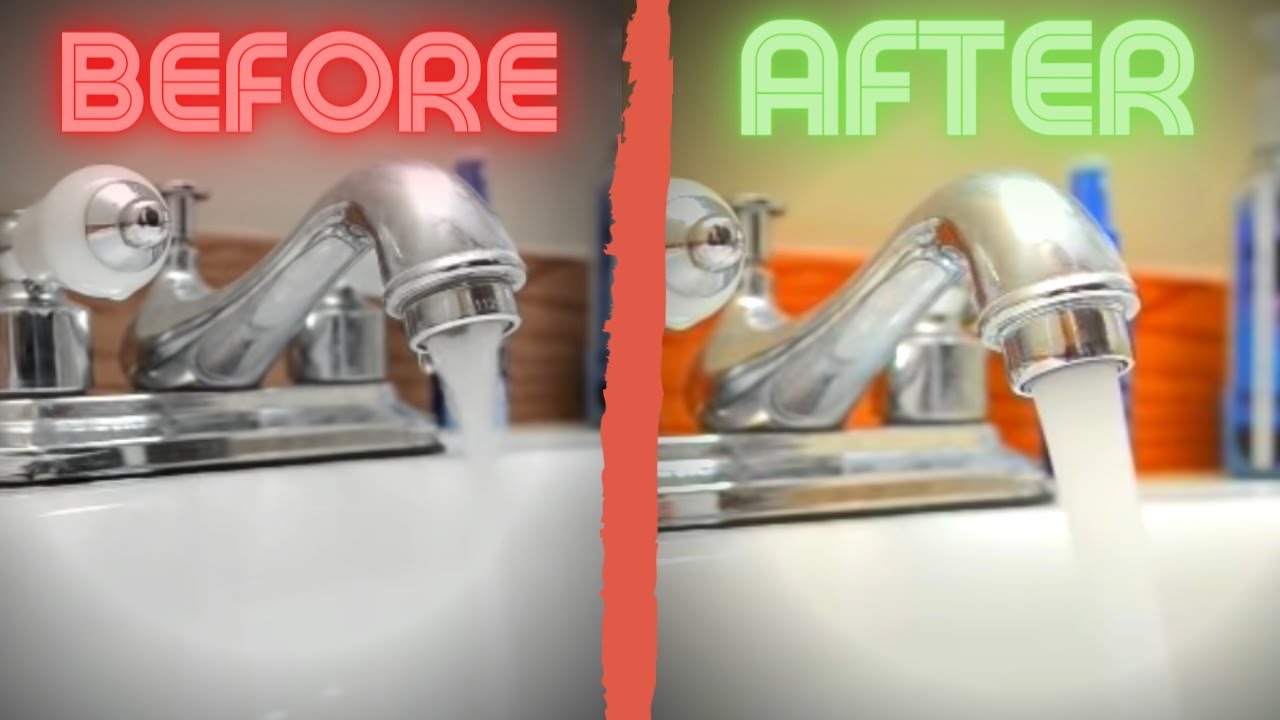
If basic steps do not restore flow, try these advanced checks that involve more plumbing work or parts replacement.
- Replace faucet cartridge or valve seats: Older faucets often need new internal parts. Make sure you order the right model.
- Clean or replace supply shut-off valves: Valves can corrode internally and restrict flow. Replacing them is often simpler than trying to repair.
- Inspect pipes for scale or corrosion: Hard water can narrow pipes. In severe cases, pipe replacement may be needed.
- Check for pressure-reducing valve (PRV) issues: Some homes have a PRV near the main line. A bad PRV can lower pressure across the whole house.
- Water main or municipal issue: Contact your water supplier to see if repairs or low supply are the cause.
Advanced work may require cutting and soldering copper, or installing new valves. If you’re uncomfortable, hire a licensed plumber to avoid leaks or code violations. These checks cover deeper causes of how to fix low water pressure in kitchen sink problems.

Maintenance and prevention to keep pressure steady
Small maintenance steps prevent future drops and save time.
- Clean aerators every 3–6 months to avoid build-up.
- Replace old flexible supply lines every 8–10 years.
- Install a whole-house water softener if you have hard water to reduce scale.
- Flush your water heater annually to remove sediment that can affect hot water pressure.
- Check shut-off valves during seasonal maintenance to ensure they open fully.
Regular care reduces the need to learn how to fix low water pressure in kitchen sink later.

Quick questions (People Also Ask)
Q: Why is my kitchen sink water pressure low but shower is fine?
A: If the shower is fine, the issue is likely local—clogged aerator, faucet cartridge, or supply line under the sink. Start by cleaning the aerator and checking shut-off valves.
Q: Can a clogged aerator cause low pressure?
A: Yes. Aerators often trap mineral deposits and debris that dramatically cut flow. Cleaning or replacing the aerator usually restores pressure.
Q: How do I test if the problem is my faucet or the main supply?
A: Check other faucets and measure pressure at an outdoor spigot with a gauge; if other taps have normal flow, focus on the kitchen faucet components.

Frequently Asked Questions of how to fix low water pressure in kitchen sink
Why does my kitchen sink have low pressure only sometimes?
Intermittent low pressure can result from a partially closed valve, debris in the aerator that shifts, or fluctuating municipal supply. Check the shut-off valves and clean the aerator first.
How long does it take to fix low water pressure in a kitchen sink?
Simple fixes like cleaning an aerator or opening a valve take 10–30 minutes. Replacing cartridges or supply lines may take 1–2 hours, depending on skill level.
Can hard water cause low pressure in the kitchen sink?
Yes. Mineral scale from hard water builds inside aerators, cartridges, and pipes, narrowing flow paths and reducing pressure over time.
Will replacing the faucet always fix low water pressure?
Not always. If the supply lines or house plumbing are restricted, a new faucet may not help. Diagnose supply and valve issues before replacing the whole faucet.
Is it safe to fix water pressure issues myself?
Many fixes are safe for DIYers, like cleaning an aerator or replacing a cartridge. For main line issues, soldering pipes, or when you find major corrosion, hire a licensed plumber.
Conclusion
Most low water pressure at a kitchen sink is easy to fix with a clear, step-by-step approach: check valves, clean the aerator, test supply lines, and replace worn faucet parts when needed. Start with the simple checks and move to advanced fixes only if needed. Take action today—clean the aerator and inspect the shut-off valves; if you hit a wall, contact a licensed plumber for help. Share your experience, ask a question below, or subscribe for more clear home plumbing tips.