
Turn off power, attach the cord to the dishwasher junction box, match wires, secure ground, then restore power.
I’ve wired dozens of dishwashers and taught homeowners step-by-step how to connect dishwasher power cord safely and to code. This guide explains tools, safety checks, wiring steps, common pitfalls, and when to call a pro. Read on for clear, practical instructions you can use today.
:max_bytes(150000):strip_icc()/how-to-install-a-dishwasher-2718667-01-4be8d33e9fc9405181f41d03592b6d5d.jpg)
Tools and safety essentials
Working with electrical wiring can be safe when you follow simple rules. Always switch off the circuit breaker and test the circuit with a voltage tester before touching wires. Use insulated tools and wear safety glasses to protect your eyes from debris.
Needed tools and materials
- Screwdrivers: flat and Phillips, short shaft for tight spaces.
- Wire strippers and cutters for clean wire ends.
- Voltage tester or multimeter to confirm power off.
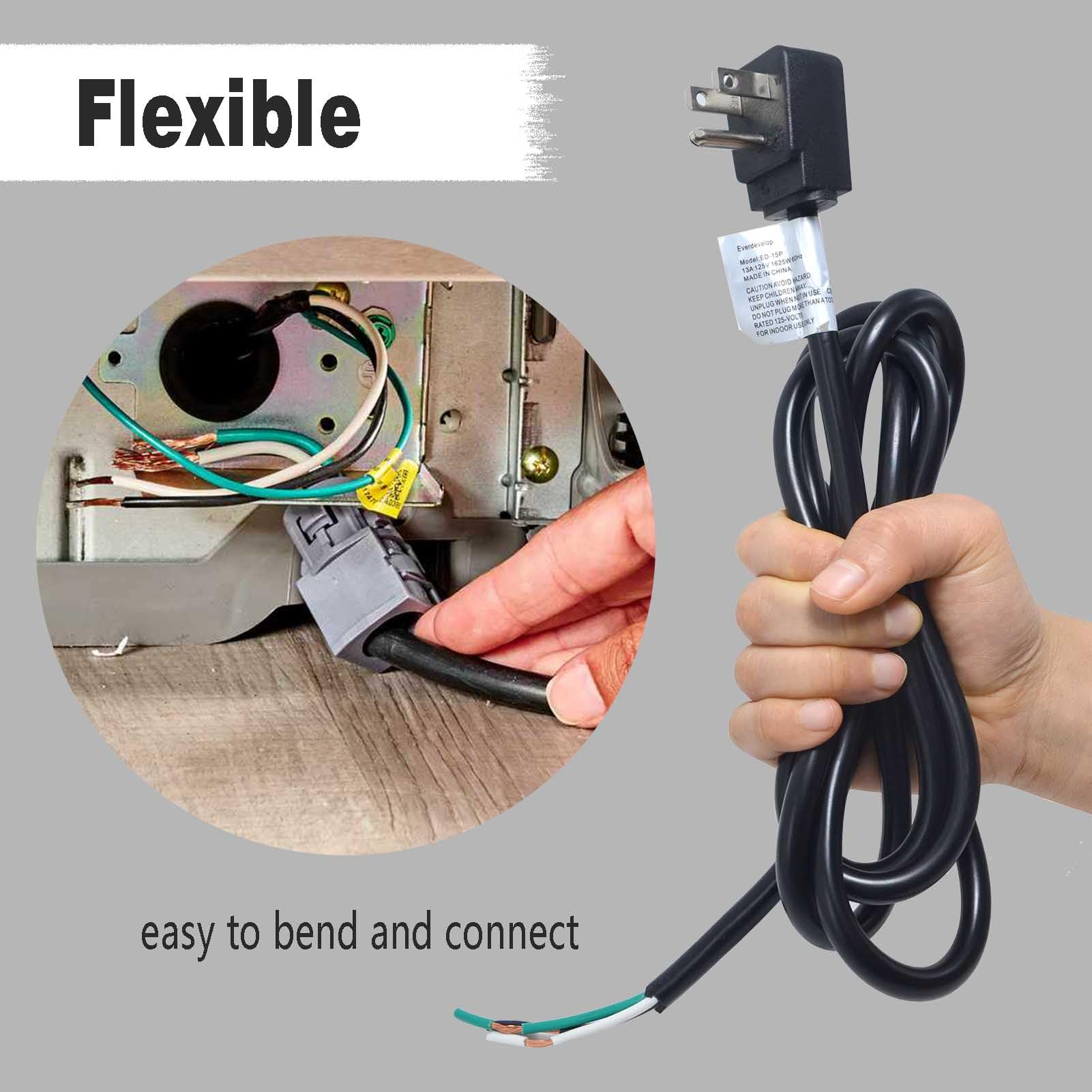
- 3-conductor power cord with ground or cord kit made for dishwashers.
- Wire nuts, crimp connectors, and electrical tape.
- Strain relief clamp for the dishwasher junction box.
- Optional: small flashlight and gloves.
Safety checks before you start
- Confirm the circuit breaker feeding the dishwasher is off. Lock it out if possible.
- Verify power is off with a tester at the junction box.
- Check your local code for grounded circuits and required wire gauge.
- If the dishwasher uses a hardwired connection, ensure you have the correct cord/kit.

Understanding dishwasher power connections
Dishwashers are usually either hardwired or connected via a removable power cord. Hardwired units use a junction box under the toe kick. A corded dishwasher plugs into an outlet or uses a cord that connects to that junction box. Knowing which type yours is makes the job easier.
Key terms to know
- Junction box — the enclosed space under the dishwasher where wires meet.
- Line/hot — typically black or red wire that carries live current.
- Neutral — typically white wire that completes the circuit.
- Ground — typically green or bare copper wire for safety.
- Strain relief — clamp that prevents the cord from being pulled out.
How to connect dishwasher power cord basics
- Identify whether your dishwasher is cord-ready or hardwired.
- Use the correct wire gauge: most dishwashers need 14/2 or 12/2 with ground depending on amperage.
- Follow the manufacturer’s wiring diagram inside the junction box cover.

Step-by-step: How to connect dishwasher power cord
These steps show how to connect dishwasher power cord to a junction box on a typical dishwasher. Read all steps first. Work slowly and verify each connection.
-
Turn off power and verify
- Flip the dishwasher circuit breaker to OFF.
- Test for voltage at the junction box with a tester. No power means safe to continue.
-
Remove access panel and locate the junction box
- Pull out the lower rack and remove the toe-kick if needed.
- Unscrew the junction box cover to expose wiring.
-
Prepare the cord and strain relief
- Thread the cord through the strain relief clamp.
- Tighten the clamp so the cord cannot be pulled into the box.
-
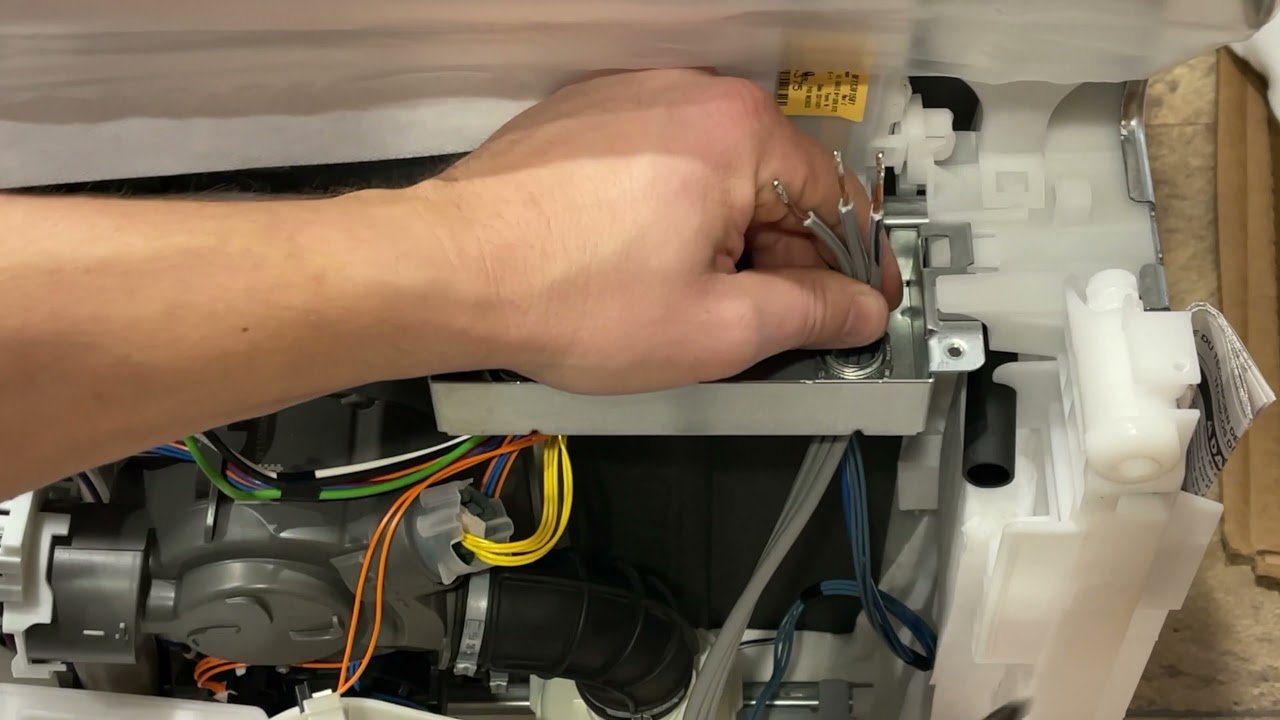
Match and connect wires
- Strip about 3/8 inch of insulation from each conductor.
- Connect black (hot) to black hot lead, white (neutral) to white neutral lead.
- Connect green or bare (ground) to the dishwasher ground screw or ground wire.
- Twist wires together and secure with wire nuts. Wrap with tape if needed.
-
Secure connections and close box
- Push wires neatly into the junction box. Ensure no bare copper is exposed.
- Tighten the strain relief clamp on the cord.
- Reinstall the junction box cover and toe-kick panel.
-
Restore power and test
- Turn the circuit breaker back on.
- Run a short test cycle to confirm power and function. Check for error codes.
Tips while following these steps
- Keep one hand behind your back when testing live circuits to reduce shock risk.
- Double-check color matches and that only insulated parts remain exposed.
- If the cord kit uses a plug, test the outlet with another device before plugging the dishwasher in.

Wiring details: wire colors, terminals, and strain relief
Small details prevent big problems. Use the right parts and tight connections.
Wire sizes and circuit types
- 14-gauge wire on a 15A circuit is common for small dishwashers.
- 12-gauge wire on a 20A circuit is used for higher-draw models.
- Always match wire gauge to breaker amperage.
Strain relief and mechanical safety
- The strain relief stops tugging on connections. Never skip it.
- Secure the cord jacket in the clamp so the wires inside don’t move.
Terminal block and screws
- Some dishwashers have a small terminal block. Use the correct screws and tighten them snugly.
- Ground must be attached to the chassis ground screw or to the ground wire.
Troubleshooting common issues when you connect dishwasher power cord
If the dishwasher does not power on
- Recheck that the breaker is on and the outlet is live if plug-in.
- Confirm wire nuts are tight and no wires are loose.
If the dishwasher trips the breaker
- Check for a short: stray copper might touch metal parts.
- Verify wire gauge and breaker amperage match the dishwasher’s rating.
If the dishwasher runs but shows errors
- Look up the error code in the manual; many codes indicate wiring or supply issues.
- Verify neutral and ground are correctly connected.

Permits, code considerations, and when to hire an electrician
Local electrical codes vary. Some areas require a permit for new circuit installation. If you are replacing a cord on the appliance only, a permit is rarely needed. If you install a new circuit, you may need inspection.
When to call a pro
- You are unsure which wire is hot or ground.
- The junction box has damaged wires or corrosion.
- Local code requires a licensed electrician for new circuits.
Safety and compliance
- Permits and inspections protect you and your home. Follow the rules.
- An electrician can ensure a dedicated circuit and correct breaker size.
Personal experience and pro tips
I once wired a rented kitchen where the previous owner had no strain relief. The cord shifted, and connections loosened until the dishwasher tripped the breaker. Lesson learned: always use a clamp and secure wires.
Practical tips I use on every job
- Take a photo of the original wiring before disconnecting anything.
- Use matching color-coded wire nuts for clarity.
- Label wires if you must remove the junction box.
Common mistakes to avoid
- Leaving too much bare copper exposed.
- Skipping the strain relief.
- Relying on old or corroded connectors.
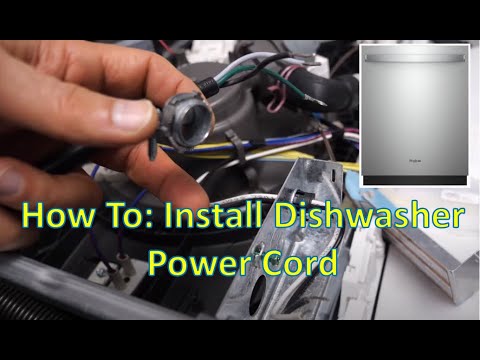
Frequently Asked Questions of how to connect dishwasher power cord
Can I use a regular extension cord to power a dishwasher?
No. Dishwashers need a dedicated, grounded connection. Extension cords can overheat and cause a fire risk.
Do dishwashers need a dedicated circuit?
Yes. Most dishwashers require a dedicated circuit to prevent overload and ensure safe operation.
What wire gauge do I need to connect a dishwasher power cord?
Use 14-gauge wire on a 15A circuit or 12-gauge on a 20A circuit, depending on the dishwasher’s amperage rating.
How do I know if my dishwasher is hardwired or uses a cord?
Open the toe-kick panel and look for a junction box and either a fixed cable or an outlet and plug. The manual also specifies this.
Is a ground connection required when I connect dishwasher power cord?
Yes. A ground connection is required for safety and to meet electrical codes.
My dishwasher still won’t run after wiring. What should I check?
Check the breaker, outlet, and that all wire nuts are tight. Also inspect for tripped internal fuses or error codes.
Can I change a hardwired dishwasher to use a power cord?
Often yes, if the dishwasher has a cord-connection option and local code permits it. Follow manufacturer instructions and safety rules.
Conclusion
You now have a clear, safe plan for how to connect dishwasher power cord. Turn off power, use the right tools, match wires, secure the ground, and test the appliance. If you feel unsure at any step, hire a licensed electrician to avoid hazards. Try the steps on a simple job, and comment below with your results or questions—I'd love to help.